


What's Happening?
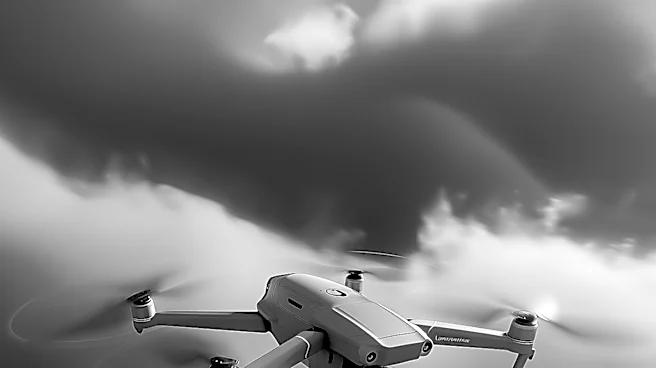
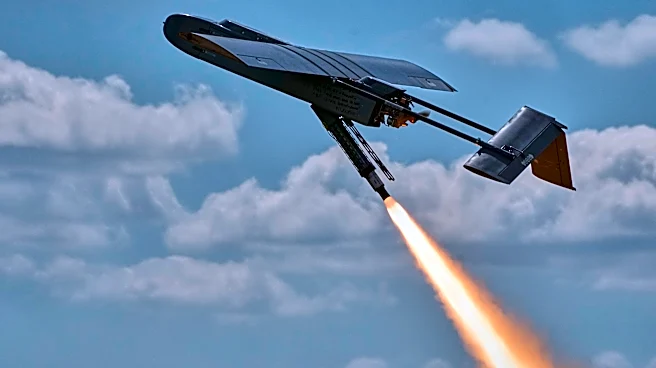
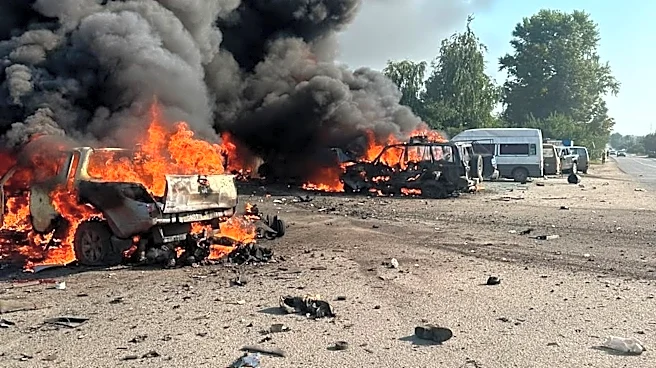
Ukrainian drone attacks are increasingly targeting Russian oil infrastructure, leading to significant disruptions in areas like Sochi, a Black Sea resort city. This region, once a favored vacation spot for President Vladimir Putin, is now experiencing
the direct consequences of the ongoing conflict. The Tuapse oil refinery, a major processing and export facility owned by Rosneft and located approximately 30 miles south of Sochi, has been repeatedly attacked. These strikes have resulted in fuel-laden waters and sparse beaches, impacting the local tourism industry. Dmitry Bogdanov, chair of AMOS, a hoteliers’ association, reported an almost 11 percent year-on-year decrease in tourist numbers. President Putin, who previously visited Sochi frequently, has significantly reduced his visits, with reports indicating only two visits in both 2024 and 2025, compared to 24 in 2021. The increased drone activity has also forced the suspension of some operations in nearby ports like Novorossiysk, one of the largest in the Black Sea basin.
Why It's Important?
The sustained Ukrainian drone campaign against Russian oil infrastructure carries significant implications for Russia's economy and its ability to sustain military operations. The targeting of key facilities like the Tuapse refinery directly impacts Russia's oil processing and export capabilities, which are crucial for generating revenue. The disruption to the tourism sector in Sochi, a historically important resort, highlights the broader economic and social costs of the conflict within Russia. The reduction in President Putin's visits to his preferred vacation spots suggests a shift in his public presence and potentially a recognition of the security challenges in these areas. Furthermore, the warnings from figures like Mikhail Khodorkovsky, a former oligarch, about the Russian oil industry reaching a 'breaking point' underscore the potential for long-term economic strain and instability, affecting global energy markets and geopolitical dynamics.
What's Next?
The ongoing Ukrainian drone campaign is expected to continue targeting Russian energy infrastructure, potentially leading to further disruptions in fuel supply and export capabilities. This could exacerbate existing fuel shortages across Russia, as indicated by reports of lengthy lines at gas stations in Moscow and reimposed limits on gasoline purchases. The Russian government may implement additional measures to mitigate these shortages, such as increasing domestic production or seeking alternative supply routes. The impact on tourism in regions like Sochi is likely to persist, potentially leading to further economic downturns for local businesses and a continued decline in visitor numbers. The strategic importance of the Black Sea coast as a target suggests that military engagements in this area will remain a critical aspect of the conflict, with potential for escalation and broader regional instability.
Beyond the Headlines
The situation in Sochi and other Black Sea coastal areas reveals a deeper narrative about the internal impact of the conflict on Russia. Beyond the immediate economic and military consequences, the disruption to daily life and the sense of insecurity in previously tranquil regions could erode public morale and support for the ongoing military operation. The shift in President Putin's travel patterns, from frequent visits to his favored resorts to more secluded locations, symbolizes a broader change in the perception of security and normalcy within Russia. This situation also highlights the evolving nature of modern warfare, where drone technology allows for strategic strikes deep within an adversary's territory, impacting not only military targets but also civilian infrastructure and economic stability. The long-term psychological and social effects of living under the threat of such attacks could have profound implications for Russian society.