





What's Happening?
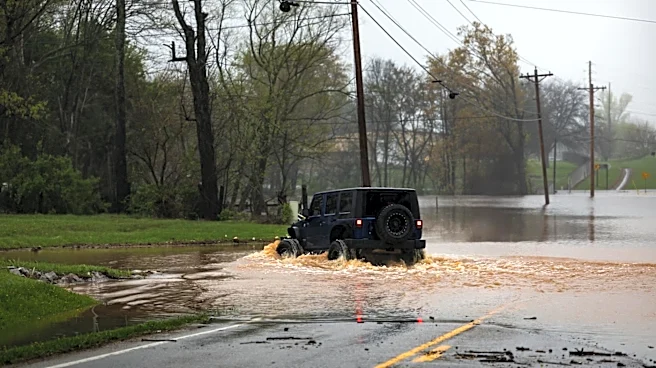
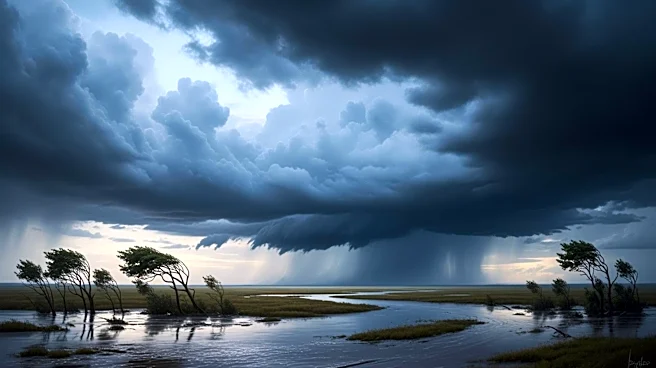
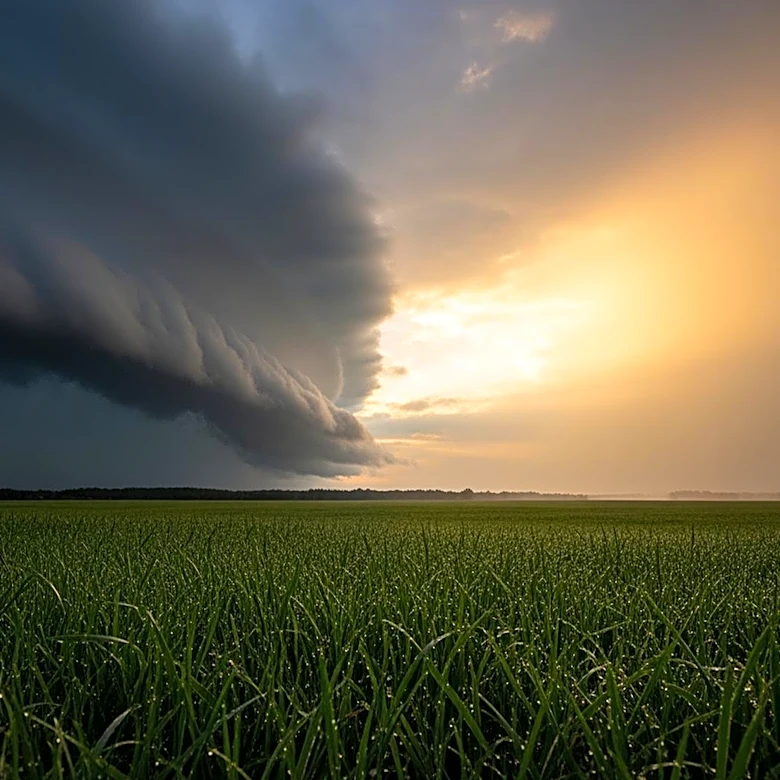
Severe weather, including heavy rain and strong winds, is forecasted to impact over 88 million people across the Midwest and northern Plains this week. Flash floods have already been reported in Arkansas, Kansas, Missouri, and Oklahoma. Flood watches
are in effect for large areas, including Missouri, Illinois, Tennessee, Alabama, and Georgia. The National Weather Service warns of potential flash flooding, large hail, and tornadoes. Recent storms have already caused significant damage, including one death in New York City and widespread power outages.
Why It's Important?
The severe weather poses significant risks to life and property, with potential economic impacts on agriculture, infrastructure, and local economies. It highlights the importance of emergency preparedness and the need for effective communication and response strategies to minimize damage and ensure public safety. The frequency and intensity of such weather events may also prompt discussions on climate change and its role in altering weather patterns.
What's Next?
Authorities will continue to monitor weather developments and issue warnings as necessary. Residents in affected areas are advised to stay informed and take precautions to protect themselves and their property. Emergency services are likely to be on high alert, ready to respond to any incidents. Long-term, there may be increased focus on improving infrastructure resilience and disaster response capabilities.
Beyond the Headlines
The ongoing severe weather events underscore the need for comprehensive climate adaptation strategies. This includes investing in resilient infrastructure, enhancing early warning systems, and promoting community awareness and preparedness. It also raises questions about the role of climate change in increasing the frequency and severity of extreme weather events.