








What's Happening?
The Adaptation Fund Board has approved nearly $35 million for two UNDP-supported projects aimed at strengthening climate resilience in vulnerable communities. Of this total, $4.97 million is specifically allocated to a project in Rwanda. This project,
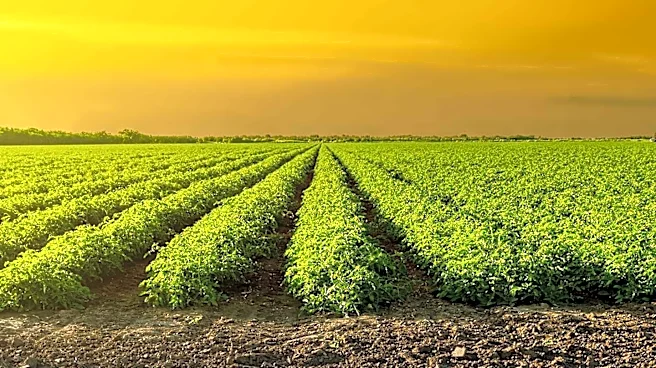
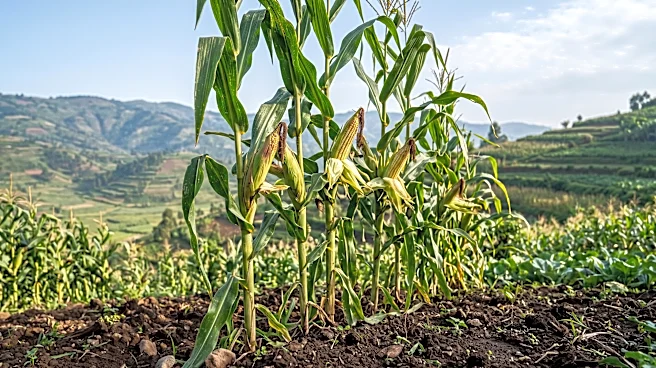
implemented by the United Nations Development Programme (UNDP) in collaboration with Rwanda’s Ministry of Agriculture and Animal Resources, will focus on enhancing the climate resilience of smallholder farmers in the drought-prone districts of Kayonza, Gatsibo, and Nyagatare. These districts are critical for Rwanda's food security. The initiative is designed as a locally led adaptation project, aiming to improve access to localized climate information, promote climate-smart agricultural practices and technologies, and strengthen agricultural advisory services.
Why It's Important?
This funding is crucial for Rwanda, a country highly susceptible to climate shocks, particularly droughts that threaten its agricultural sector and food security. By strengthening the resilience of smallholder farmers, the project directly addresses the livelihoods of a significant portion of the population and safeguards national food production. The emphasis on locally led adaptation ensures that solutions are tailored to the specific needs and contexts of the affected communities, increasing their effectiveness and sustainability. For the U.S. and international community, supporting such initiatives aligns with global climate goals and humanitarian efforts, potentially reducing future needs for disaster relief and promoting regional stability. It also highlights the growing importance of climate finance in addressing the disproportionate impact of climate change on developing nations.
What's Next?
The approved funding will now facilitate the implementation of the project activities in the designated districts. This will involve working closely with farmer cooperatives, local authorities, and community-based organizations to empower local communities and institutions in leading adaptation planning and execution. Key activities will include deploying climate information systems, training farmers in climate-smart techniques, and establishing robust agricultural advisory services. The success of this project could serve as a model for similar initiatives in other climate-vulnerable regions within Rwanda and potentially across Africa. Continuous monitoring and evaluation will be essential to ensure the project's effectiveness and to adapt strategies as climate conditions evolve.
Beyond the Headlines
Beyond the immediate benefits of enhanced food security and agricultural resilience, this project has broader implications for sustainable development and social equity. By empowering local communities to lead adaptation efforts, it fosters self-reliance and strengthens local governance structures. The integration of climate-smart agricultural practices can lead to more sustainable land use and natural resource management, contributing to long-term environmental health. Furthermore, by protecting rural livelihoods, the project can help prevent climate-induced migration and reduce social vulnerabilities. This initiative underscores the critical role of international partnerships and targeted funding in building a more resilient and equitable world in the face of escalating climate change impacts.