






What's Happening?
A recent study indicates that only six out of sixteen state laws enacted to protect children from social media harms are currently being enforced. Researchers found that many of these laws are either blocked by courts, not yet implemented, or based on insufficient
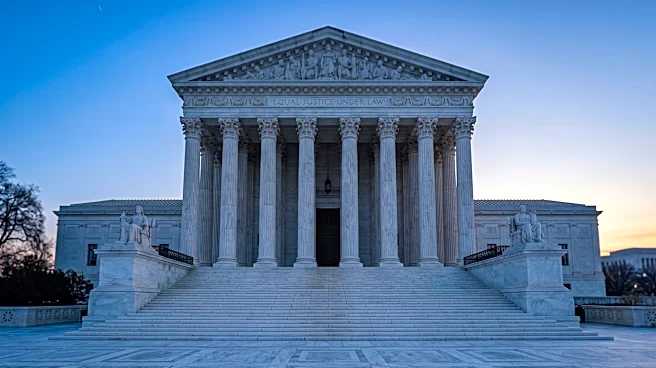
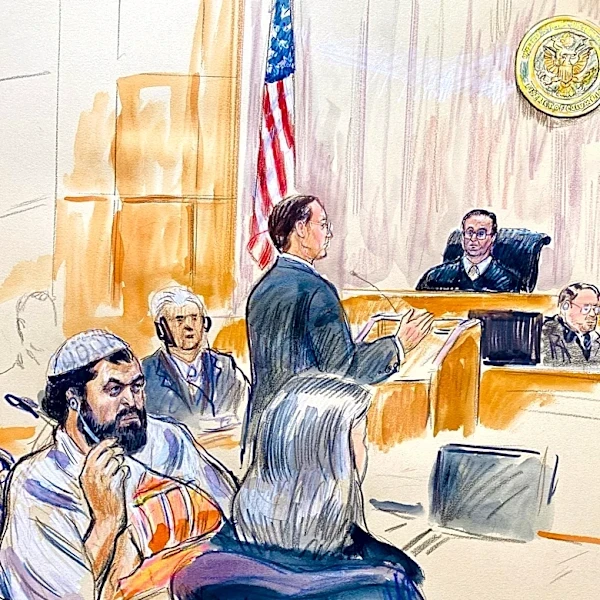
scientific evidence regarding their effectiveness. The study, which analyzed state-level policies aimed at addressing youth mental health and social media use, highlighted a significant gap between legislative efforts and actual protection. While numerous bills have been proposed and congressional hearings held, the number of fully enacted and enforced laws remains low, with many facing legal challenges, particularly on First Amendment grounds.
Why It's Important?
This finding is crucial because it exposes a significant challenge in the U.S. regarding the regulation of social media to safeguard minors. The lack of enforcement means that despite legislative intent, children may not be receiving the intended protections from online harms such as cyberbullying, inappropriate content, and addictive design features. This situation can have profound implications for youth mental health, which has seen a rise in issues like depression and anxiety. The study also points to a disconnect between policy-making and evidence-based approaches, as many common strategies, like age verification, are easily bypassed or lack strong scientific backing. This could lead to ineffective legislation and a continued struggle to address the complex issue of children's online safety.
What's Next?
The findings of this study are likely to prompt further scrutiny of existing state laws and potentially influence future legislative efforts. Lawmakers may need to re-evaluate current approaches, focusing on evidence-based strategies and addressing the legal challenges that have hindered enforcement. There could be increased pressure on states to strengthen the scientific basis of their social media regulations and to ensure that enacted laws are effectively implemented. Additionally, the study's emphasis on the limited focus on media literacy education suggests a potential shift towards more comprehensive approaches that not only restrict access but also empower children with the skills to navigate online environments safely. This could involve collaborations between educational institutions, technology companies, and government bodies to develop more robust and enforceable solutions.
Beyond the Headlines
The limited enforcement of these laws highlights a broader societal debate about parental responsibility, corporate accountability, and the role of government in regulating digital spaces. It raises questions about the efficacy of top-down legislative mandates versus more collaborative approaches that involve platforms, parents, and educators. The legal challenges, particularly those citing free speech concerns, underscore the complex constitutional issues inherent in regulating online content and access. This situation also reflects the rapid evolution of technology, which often outpaces regulatory frameworks, creating a constant need for adaptation and re-evaluation. Ultimately, the ongoing struggle to protect children online points to the need for a holistic strategy that considers technological, legal, educational, and social dimensions.