



What's Happening?
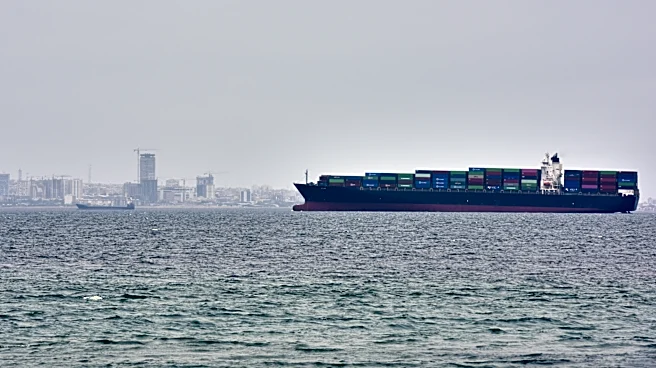
The European Union is exploring new energy routes in the Middle East to avoid conflict zones like the Strait of Hormuz, which has been affected by the Iran war. European Commission President Ursula von der Leyen announced the EU's readiness to collaborate
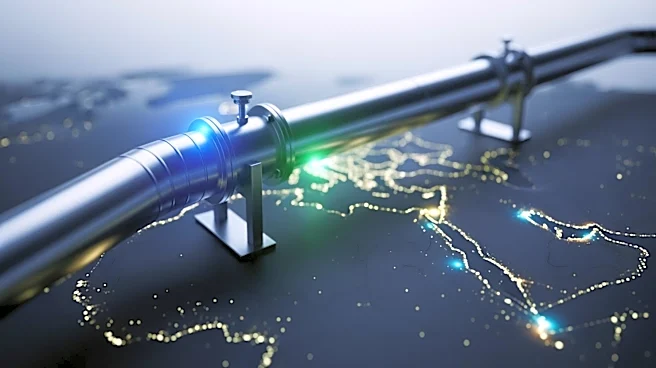
with Persian Gulf countries on projects that would ensure energy supply security. The EU aims to diversify export infrastructure and repair damaged Gulf energy sites. This initiative comes as a response to the recent fuel crisis and soaring oil prices, which have significantly impacted the EU's energy costs. The EU is also considering enhancing defense ties and maritime security missions in the region.
Why It's Important?
The EU's move to secure alternative energy routes is crucial for reducing dependency on conflict-prone areas, which can disrupt global energy supplies. This strategy could stabilize energy prices and ensure a steady supply, benefiting European industries and consumers. The initiative also highlights the geopolitical importance of the Middle East in global energy markets. By investing in infrastructure and security, the EU aims to mitigate risks associated with geopolitical tensions, which can have widespread economic implications. The collaboration with Gulf countries could also strengthen diplomatic ties and promote regional stability.
What's Next?
The EU plans to discuss these projects further at an upcoming summit with the Gulf Cooperation Council. This meeting will provide an opportunity to explore specific projects and timelines. Additionally, the EU is working on formalizing a mechanism for mutual assistance among member states in case of attacks, as seen in the recent conflict involving Cyprus. The EU's focus on energy security and regional cooperation is expected to continue, with potential implications for international energy policies and alliances.