







What's Happening?
The ongoing conflict in the Middle East has led to significant business disruptions, prompting a surge in business interruption claims. Affected sectors include manufacturing, logistics, energy, and hospitality, with companies facing challenges such as demand
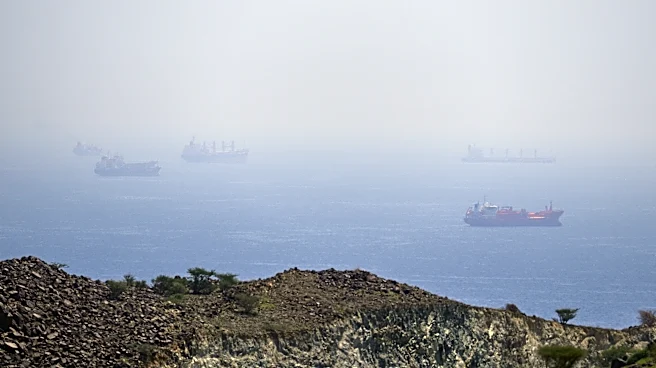
declines, blocked market routes, and increased input costs. The conflict has particularly impacted commercial traffic through the Strait of Hormuz and the travel and tourism sector, leading to substantial financial losses. Businesses are now navigating the complexities of insurance claims, with exclusions for war and terrorism posing potential obstacles.
Why It's Important?
The economic impact of the Middle East conflict extends beyond the region, affecting global supply chains and financial markets. Business interruption claims highlight the vulnerabilities of companies operating in conflict zones and the importance of robust risk management strategies. The situation underscores the need for businesses to have comprehensive insurance coverage and contingency plans to mitigate the financial impact of geopolitical disruptions. The outcome of these claims will also influence future insurance policies and risk assessments for companies operating in volatile regions.
What's Next?
As businesses continue to file interruption claims, the focus will be on establishing coverage and quantifying losses. Legal and financial experts will play a crucial role in navigating the complexities of these claims, ensuring that companies can substantiate their losses with credible evidence. The insurance industry may also see changes in policy terms and coverage options as a result of this conflict. Companies will need to reassess their risk management strategies and consider geopolitical factors in their operational planning to better prepare for future disruptions.