


What's Happening?
Prolonged hardship, stemming from poverty, displacement, conflict, and disasters, significantly impacts children by disrupting their routines, education, safety, and opportunities for normal childhood experiences. While humanitarian support often focuses
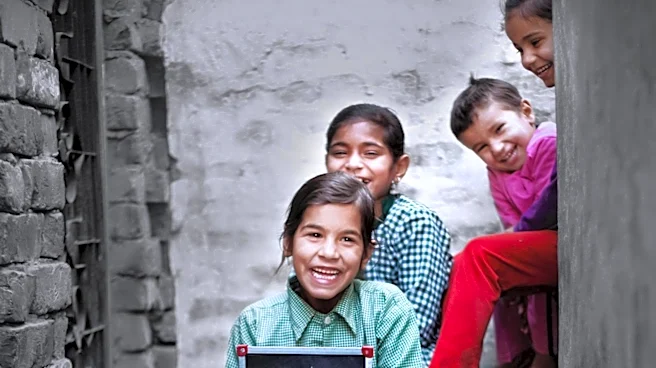
on immediate survival needs like food, shelter, and healthcare, there's a growing emphasis on addressing what children need to grow, learn, feel safe, and have future opportunities. Organizations like UNICEF highlight education as a critical lifeline in crises, providing not only lessons but also protection, essential services, mental health support, stability, and structure. When children are out of school, they face increased risks. Humanitarian responses are increasingly recognizing the importance of helping children recover what prolonged hardship has taken away, such as predictable routines, safe spaces, and consistent learning environments.
Why It's Important?
The long-term consequences of disrupted childhoods due to hardship can be profound, affecting a child's academic progress, social development, and future prospects. By focusing solely on survival, humanitarian efforts risk overlooking the holistic needs that contribute to a child's well-being and ability to thrive. Education, for instance, is not just about academic learning; it provides a sense of normalcy, community, and protection from increased risks. The Zahra Trust emphasizes that dignity-led humanitarian support recognizes the 'whole child,' addressing immediate needs while also creating conditions for continued learning, development, and future aspirations. This approach is crucial for breaking cycles of poverty and instability, as it invests in the human capital of future generations and fosters resilience within affected communities.
What's Next?
The shift in humanitarian aid towards a more comprehensive approach for children will likely involve increased funding and programmatic development for child-focused support, including education, psychosocial services, and safe spaces. Organizations like The Zahra Trust will continue to advocate for and implement programs that go beyond basic survival, aiming to restore routine, safety, and educational opportunities for children in crisis zones. This will require sustained collaboration between international aid organizations, local communities, and governments to integrate these broader support systems into long-term recovery plans. The goal is to ensure that children affected by hardship are not merely surviving but are also given the chance to grow, learn, and dream about their futures, thereby contributing to the stability and development of their societies.
Beyond the Headlines
The discussion around what prolonged hardship takes away from a child delves into the ethical dimensions of humanitarian aid. It challenges the traditional view of aid as solely providing immediate relief and pushes for a more human-centered approach that considers the psychological, social, and developmental needs of children. The concept of 'dignity-led humanitarian support' suggests a paradigm shift, recognizing children not just as recipients of aid but as individuals with inherent worth, interests, and ambitions. This perspective can lead to more empowering and sustainable interventions, fostering self-reliance and resilience rather than dependency. It also highlights the often-invisible losses of childhood—play, exploration, and dreaming—which are fundamental to human development and often overlooked in crisis response.