








What's Happening?
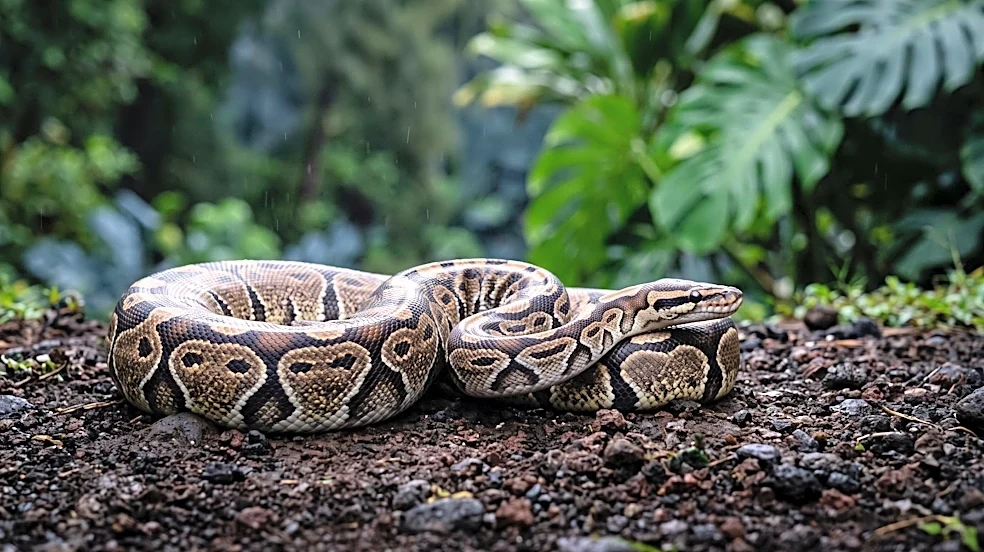
A 45-inch illegal ball python was captured over the weekend in the Camp Waianae area on the Leeward Coast of Hawaii. Police responded to a snake-sighting report on Saturday night and contacted the Hawaiian Humane Society, which then alerted the Hawaii Department
of Agriculture and Biosecurity (DAB). DAB plant quarantine inspector Jessica Ann Miura stated that two inspectors were deployed to the location where the snake had already been contained. Biosecurity officers took possession of the nonvenomous snake near Haleahi Road. An investigation is underway, including testing to determine the snake's sex, to ascertain if there might be a mate or offspring in the area due to potential illegal pet trade breeding. Hawaiian officials are reminding residents that snakes are illegal in the state, with penalties for possession including fines up to $200,000 and up to three years in prison. The public is encouraged to report illegal animals via the state’s toll-free pest hotline or utilize the amnesty program.
Why It's Important?
The capture of this illegal ball python highlights a significant threat to Hawaii's unique and fragile ecosystem. Snakes, including ball pythons, have no natural predators in Hawaii, allowing them to rapidly establish populations that compete with native animal species for food and habitat. This poses a severe risk to endangered native bird species, as many snakes prey on birds and their eggs. According to DAB officials, the establishment of any snake species could critically endanger Hawaii's delicate rainforest birds and seabirds that nest on the ground or in trees. Furthermore, large snakes like ball pythons, which can grow up to six feet, can also pose health and safety risks to humans, pets, and other domestic animals. The incident underscores the ongoing challenge authorities face in preventing the introduction and spread of invasive species that can cause irreversible damage to the state's biodiversity and natural resources.
What's Next?
The captured ball python will remain in state custody for the foreseeable future. Jessica Ann Miura of DAB indicated that while there is no immediate rush, the department has contacts on the mainland for potential relocation if their animal room becomes overcrowded. The primary focus now is on the ongoing investigation to determine the snake's sex, which will help authorities assess the likelihood of a breeding pair or additional snakes in the area. This information is crucial for guiding further surveillance and potential eradication efforts. Authorities will continue to emphasize public awareness campaigns regarding the illegality of snakes in Hawaii and the severe penalties for possession. They will also encourage residents to report any sightings of illegal animals, as community vigilance is a key component in preventing the establishment of invasive species. The state's amnesty program remains available for individuals to surrender illegal animals without penalty.
Beyond the Headlines
The repeated discovery of illegal snakes in Hawaii points to a persistent issue with the illegal pet trade and the challenges of biosecurity in an island ecosystem. Beyond the immediate environmental threat, each capture highlights potential vulnerabilities in Hawaii's import and inspection processes. The presence of such animals suggests that individuals are either intentionally smuggling them into the state or are unaware of the strict regulations. This situation raises broader questions about the effectiveness of current interdiction methods and the need for enhanced public education on the ecological and legal ramifications of introducing non-native species. The long-term implications include not only the potential extinction of native species but also significant economic costs associated with eradication efforts and the disruption of agricultural systems. The incident serves as a stark reminder of the constant vigilance required to protect Hawaii's unique natural heritage from invasive threats.