




What's Happening?
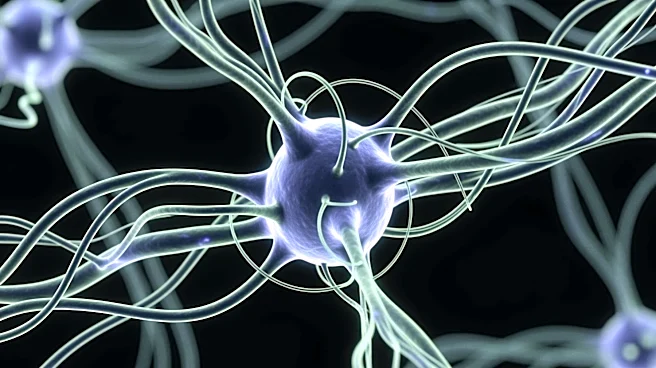
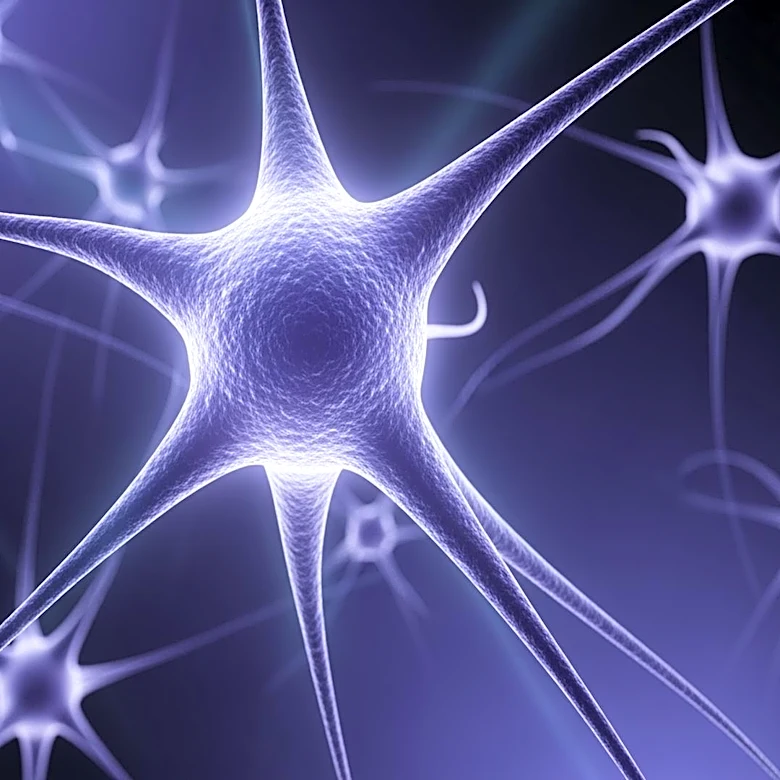
Researchers at Baylor College of Medicine have discovered that tubulin, a protein, may play a crucial role in preventing the formation of toxic protein clumps associated with Alzheimer's and Parkinson's diseases. These neurodegenerative diseases are characterized
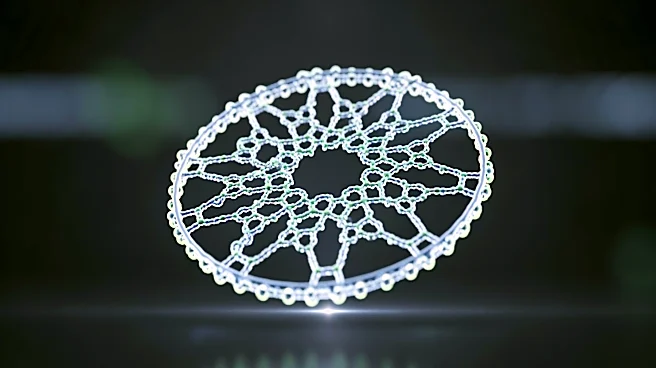
by the misfolding and aggregation of proteins such as Tau in Alzheimer's and alpha synuclein in Parkinson's, which interfere with neuron function. The study, published in Nature Communications, suggests that instead of preventing these proteins from aggregating, tubulin can redirect them towards maintaining healthy cellular functions. Tubulin is essential for building microtubules, which support neuron structure and function. The research indicates that tubulin can help Tau and alpha synuclein fulfill their roles in healthy neurons, potentially reducing the risk of disease progression.
Why It's Important?
This discovery is significant as it offers a new perspective on treating neurodegenerative diseases by focusing on enhancing the natural protective roles of proteins within neurons. By boosting tubulin levels, it may be possible to prevent the harmful aggregation of proteins without disrupting their beneficial functions. This approach could lead to the development of new therapeutic strategies that selectively target the pathological aspects of these diseases while preserving normal cellular processes. The findings could have a profound impact on the treatment of Alzheimer's and Parkinson's, potentially improving the quality of life for millions of individuals affected by these conditions.
What's Next?
Future research will likely focus on developing methods to increase tubulin levels in the brain and testing the efficacy of such treatments in clinical settings. Researchers may also explore the potential of tubulin as a biomarker for early detection of neurodegenerative diseases. Additionally, pharmaceutical companies might investigate compounds that can enhance tubulin production or function as part of a broader strategy to combat these diseases. The study opens new avenues for collaboration between biochemists, neurologists, and pharmacologists to translate these findings into practical treatments.
Beyond the Headlines
The study highlights the importance of understanding the dual roles of proteins in both health and disease. It challenges the traditional approach of targeting protein aggregation directly and instead suggests a more nuanced strategy that leverages the body's natural mechanisms. This could lead to a paradigm shift in how neurodegenerative diseases are treated, emphasizing the restoration of cellular balance rather than merely inhibiting pathological processes. The research also underscores the potential of personalized medicine approaches that tailor treatments based on individual protein profiles and disease risk factors.