
What's Happening?
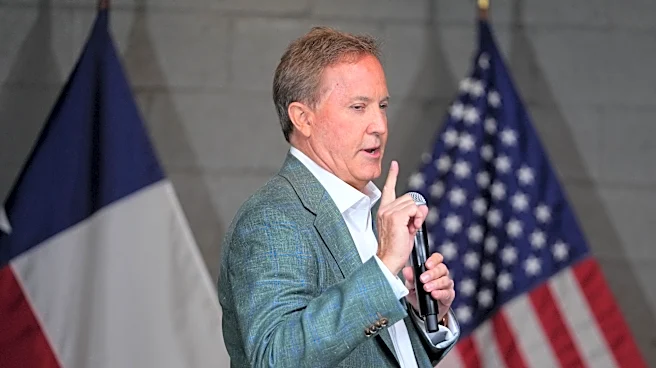
Texas Attorney General Ken Paxton has successfully secured an endorsement from President Trump in the Texas Senate race, a significant development that alters the dynamics of the contest. Initially trailing
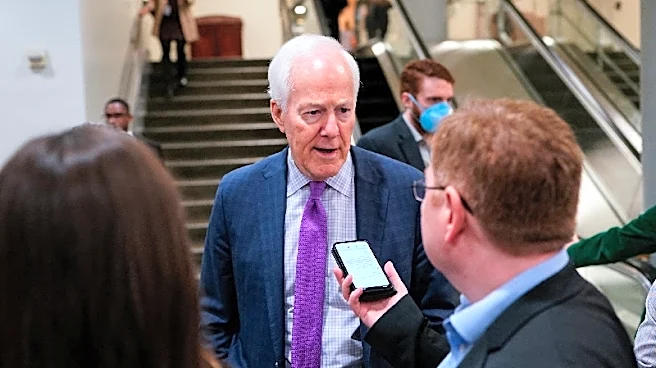
incumbent Senator John Cornyn in the Republican primary, Paxton's strategic maneuvering, including a public proposal to drop out if Senate Republicans abolished the filibuster for a Trump-backed bill, caught the attention of President Trump. Despite initial indications that Trump might endorse Cornyn, Paxton's persistent efforts and alignment with Trump's agenda ultimately led to the endorsement. This move positions Paxton as the frontrunner in the upcoming runoff election, despite Cornyn's previous lead and substantial campaign efforts.
Why It's Important?
President Trump's endorsement of Ken Paxton is a pivotal moment in the Texas Senate race, potentially reshaping the political landscape. This endorsement not only boosts Paxton's chances in the runoff but also underscores Trump's influence within the Republican Party. The decision could have broader implications for Senate control, as Democrats see an opportunity to capitalize on the internal Republican conflict. The endorsement highlights the ongoing power struggle within the GOP, where loyalty to Trump remains a critical factor. For Cornyn, the loss of Trump's support is a significant setback, complicating his path to reelection and potentially affecting his standing within the party.
What's Next?
With early voting already underway, the focus shifts to the May 26 runoff election. Paxton, now backed by Trump's endorsement, is expected to intensify his campaign efforts to consolidate support among Republican voters. Meanwhile, Cornyn faces the challenge of overcoming the loss of Trump's backing, which may require recalibrating his campaign strategy to appeal to a broader base. The outcome of this race could influence future Republican primaries, as candidates assess the importance of aligning with Trump's agenda. Additionally, the Democratic Party may seek to exploit the division within the GOP to strengthen their position in Texas, a state that has not elected a Democrat statewide in decades.