








What's Happening?
Australia is experiencing a significant shift in its energy production, with renewable energy sources reaching record levels. In the first quarter of 2026, renewable energy supplied 46.5% of the total National Electricity Market (NEM) generation, marking
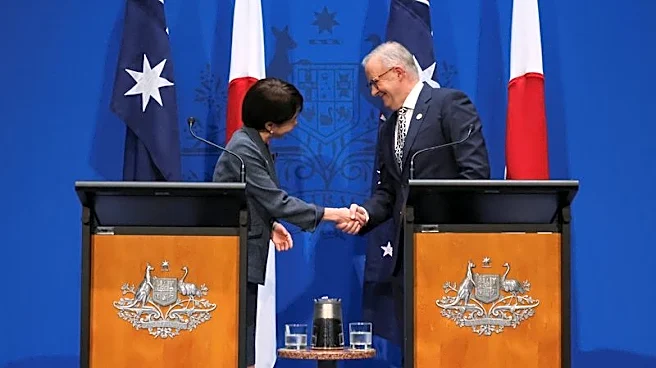
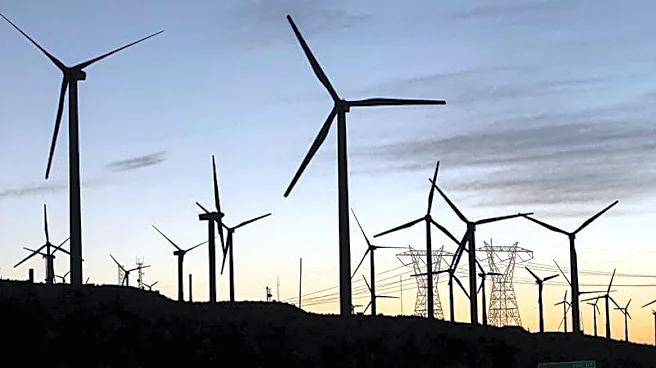
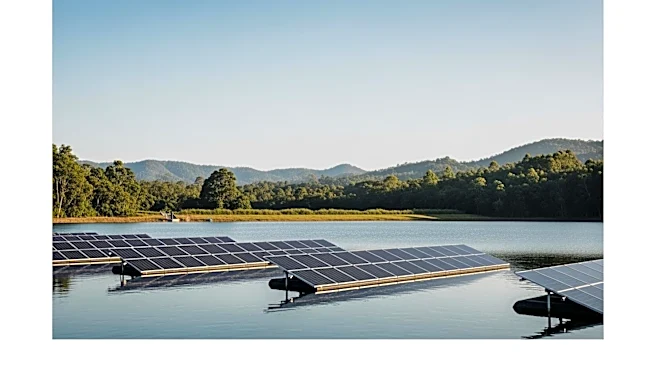
a new high and a 4% increase from the previous year. This surge in renewable energy has contributed to a decline in wholesale electricity prices by 12%. The increase in renewable energy production is largely driven by solar and wind power, with rooftop solar contributing over 4 GW and wind power increasing by nearly 10% year over year. The Australian government, led by Minister for Climate Change and Energy Chris Bowen, is actively promoting this transition to shield the grid from global energy volatility and reduce energy bills for households.
Why It's Important?
The transition to renewable energy in Australia is crucial for several reasons. It not only helps in reducing the country's carbon footprint but also stabilizes the energy market by decreasing reliance on fossil fuels. The reduction in wholesale electricity prices indicates potential savings for consumers, although these have not yet fully materialized in household bills. The government's support for home battery installations further enhances energy storage capabilities, allowing for more efficient use of solar power. This shift is part of a broader global trend towards sustainable energy solutions, positioning Australia as a leader in renewable energy adoption.
What's Next?
The Australian government has extended funding for home battery installations, with expectations that 2 million homes will have a battery by 2030. This initiative aims to further reduce peak demand and stabilize the grid. As the transition progresses, it is anticipated that more households will benefit from lower energy costs. The government is also introducing regulations to prevent overbuilding, ensuring that funding for renewable energy projects is used efficiently. Continued investment in renewable energy infrastructure and technology is expected to drive further growth in this sector.
Beyond the Headlines
The renewable energy transition in Australia also has cultural and ethical dimensions. The involvement of organizations like RE-Alliance highlights efforts to ensure that the shift to renewable energy benefits regional communities and respects First Nations peoples. This approach emphasizes the importance of inclusive and responsible energy policies that consider the social and environmental impacts of energy production. As renewable energy becomes more prevalent, it may also influence global energy policies and encourage other countries to adopt similar strategies.