




What's Happening?
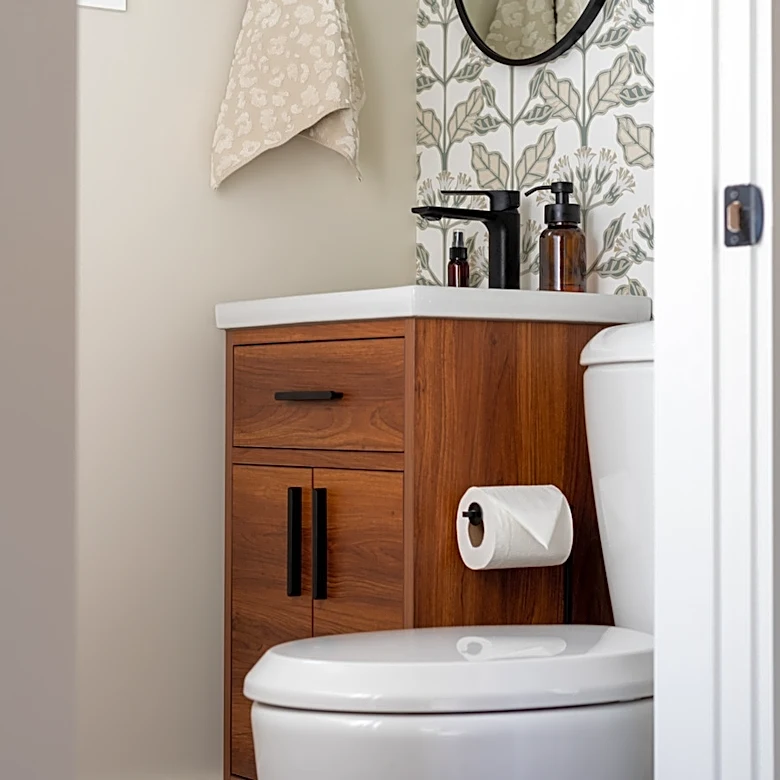
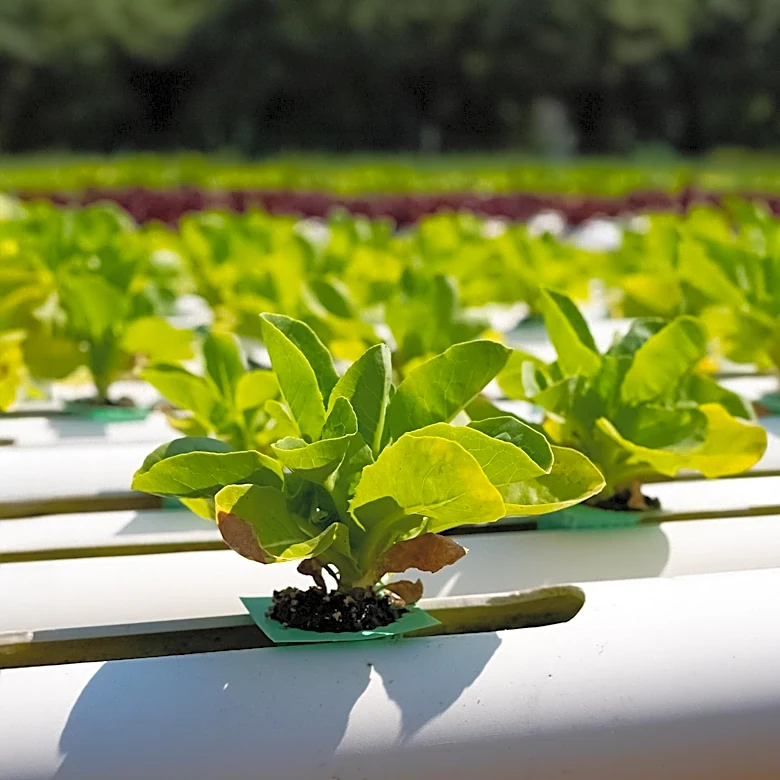
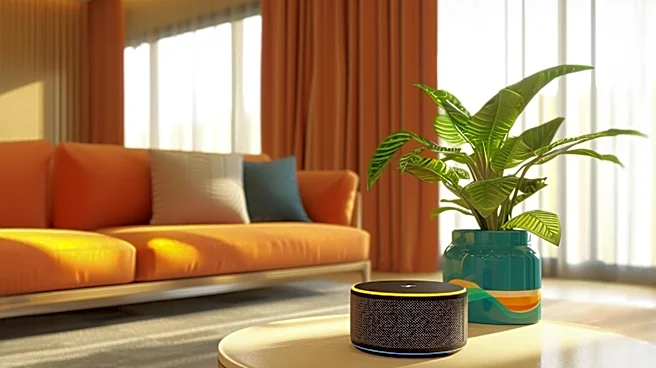
Biophilic design is gaining traction in U.S. architecture, particularly in cities like Seattle, by integrating natural elements into built environments. This design philosophy moves beyond simply adding plants to a space; it focuses on creating a deliberate
connection between people and the natural world through various architectural and design choices. Key aspects include visual access to greenery, the use of natural materials, variation in natural daylight, and the incorporation of water features and natural textures. The goal is to foster a stronger sense of connection to nature, influencing elements like circulation, window placement, material selection, and lighting from the initial design stages. Projects like Copper Hall exemplify this approach, featuring living walls in conference rooms and gyms to introduce natural variation and improve the user experience. The design emphasizes integration over mere decoration, ensuring that nature is an intrinsic part of the architecture rather than an afterthought.
Why It's Important?
The increasing adoption of biophilic design in the U.S. holds significant importance for public health, productivity, and environmental sustainability. By creating spaces that mimic natural environments, biophilic design can reduce stress, improve cognitive function, and enhance overall well-being for occupants in both residential and commercial settings. For businesses, this translates to potentially higher employee satisfaction, reduced absenteeism, and increased productivity. Environmentally, the principles often align with sustainable practices, promoting natural ventilation, efficient use of daylight, and the selection of eco-friendly materials, which can lead to lower energy consumption and a reduced carbon footprint. Furthermore, in regions like the Pacific Northwest, biophilic design is evolving to address challenges such as wildfire smoke, integrating air quality solutions with natural connections to ensure resilient and healthy indoor environments. This holistic approach benefits individuals by fostering a healthier living and working atmosphere and contributes to broader sustainability goals.
What's Next?
The future of biophilic design in the U.S. is likely to see continued innovation and broader application, particularly as awareness of its benefits grows. Architects and designers are expected to further integrate biophilic principles from the earliest stages of project development, ensuring that natural connections are fundamental to a building's structure and systems. This includes advanced planning for irrigation and drainage for living walls, structural coordination for large glass openings, and strategic landscape design to maximize natural views. There will also be an increased focus on site-specific biophilic interventions, tailoring designs to the unique natural landscape surrounding each building rather than applying a generic 'natural' aesthetic. Additionally, the integration of biophilic design with other emerging trends, such as resilient home design that addresses environmental challenges like air quality, will become more prevalent, creating spaces that offer both natural connection and protection.
Beyond the Headlines
Beyond the immediate benefits of well-being and sustainability, biophilic design in the U.S. hints at a deeper cultural shift in how society perceives and interacts with its built environment. It challenges the traditional separation between urban living and nature, advocating for a symbiotic relationship where buildings actively contribute to human-nature connection. This approach can foster a greater appreciation for local ecosystems and natural resources, potentially influencing urban planning and policy towards more green infrastructure and conservation efforts. Ethically, it raises questions about equitable access to natural environments, suggesting that biophilic principles should not be limited to luxury developments but integrated into all types of housing and public spaces. The long-term impact could be a redefinition of what constitutes a 'healthy' or 'desirable' living and working space, moving towards environments that are not only functional but also restorative and deeply connected to the natural world.