


What's Happening?
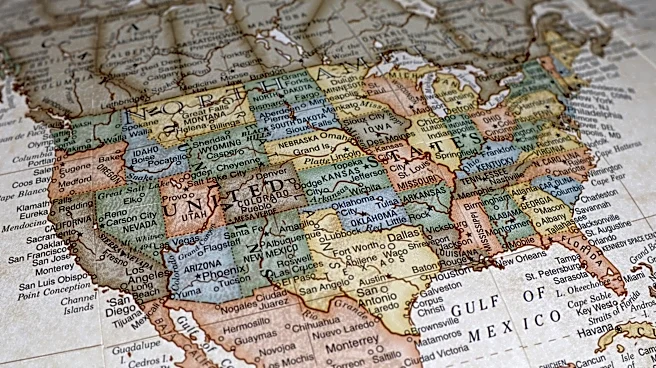
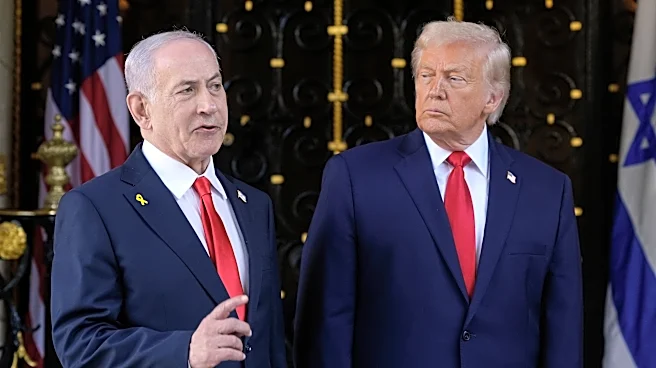
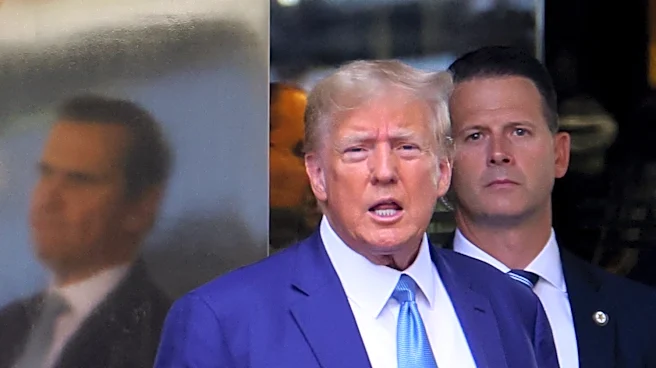
President Trump reportedly blocked federal disaster aid to New Jersey, Massachusetts, Rhode Island, and New York following a severe blizzard, despite recommendations from FEMA and NOAA. Emails and documents reviewed by Politico suggest that these states
met the criteria for aid, but the requests were denied. The Trump administration denies any political motivation, asserting that aid decisions are made to supplement state efforts. Historically, it is rare for a president to deny aid once FEMA has determined eligibility, raising questions about the decision-making process.
Why It's Important?
The alleged denial of aid to states based on political considerations could have significant implications for federal disaster response policies. It raises concerns about the impartiality of aid distribution and the potential for political bias in decisions that should be based on need and established criteria. This situation could impact public trust in federal agencies and the administration's commitment to equitable disaster relief. The controversy may lead to calls for policy reforms to ensure transparency and fairness in disaster aid allocation.
Beyond the Headlines
The incident highlights the broader issue of political influence in federal decision-making processes. It underscores the need for clear guidelines and accountability mechanisms to prevent potential misuse of power. The situation also reflects ongoing political polarization in the U.S., where state-federal relations can be strained by partisan dynamics. Ensuring that disaster relief is administered fairly and effectively is crucial for maintaining public confidence and supporting communities in crisis.