






What's Happening?
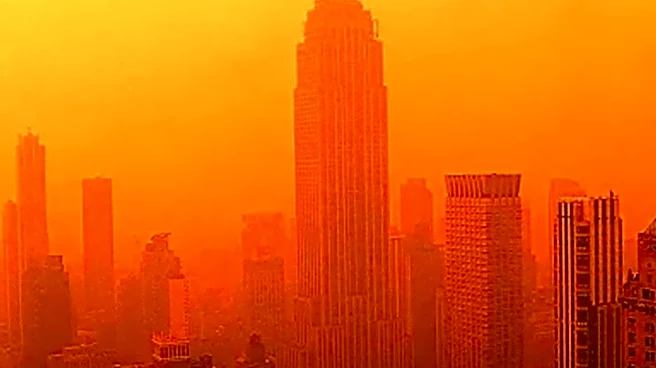
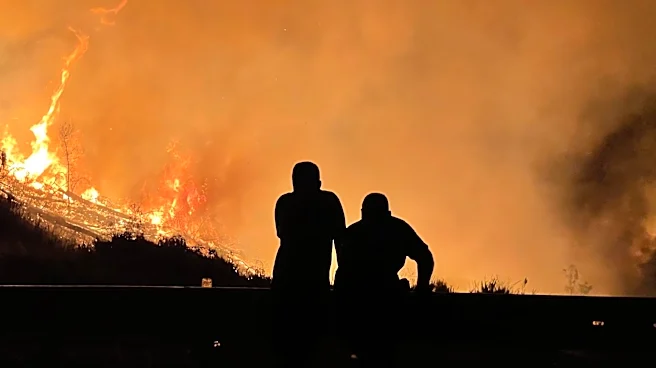
The National Weather Service has forecasted that over 90 temperature records across the United States will be tied or broken this week, with most of these being overnight heat records. This prolonged heatwave, attributed to a persistent heat dome, has already
resulted in heat-related fatalities in New Jersey and has exacerbated wildfires in the western U.S. Health experts warn that high overnight temperatures are particularly dangerous as they prevent the body from cooling down, increasing the risk of heat-related illnesses. Cities such as Fort Lauderdale, Miami, Tampa, Galveston, and Charleston are expected to experience nighttime temperatures that do not drop below 80°F. In traditionally cooler regions like the Midwest and Northeast, nighttime temperatures will remain above 70°F, posing significant health risks, especially to vulnerable populations.
Why It's Important?
The ongoing heatwave highlights the growing impact of climate change on public health and infrastructure in the United States. High overnight temperatures can lead to increased mortality rates, particularly among the elderly and those with pre-existing health conditions. The strain on electrical grids due to increased air conditioning use and the potential for infrastructure damage, such as buckling roads, are additional concerns. This situation underscores the need for proactive measures to protect vulnerable communities and adapt infrastructure to withstand extreme weather conditions. The economic implications are also significant, with potential increases in healthcare costs and disruptions to daily life and business operations.
What's Next?
As the heatwave continues, local governments and health agencies are likely to issue heat advisories and recommend measures to mitigate health risks, such as opening cooling centers and encouraging residents to check on vulnerable neighbors. Long-term, this event may prompt further discussions on climate adaptation strategies and the need for resilient infrastructure. Public awareness campaigns about the dangers of heat and the importance of staying hydrated and cool are expected to intensify.