






What's Happening?
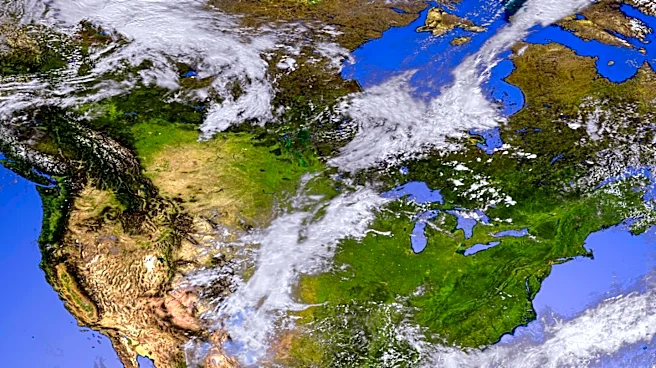
A severe heat wave is currently affecting the Midwest, leading to the cancellation of outdoor activities and the opening of cooling centers. The National Weather Service has issued an extreme heat warning for 47 million people across the Midwest and parts
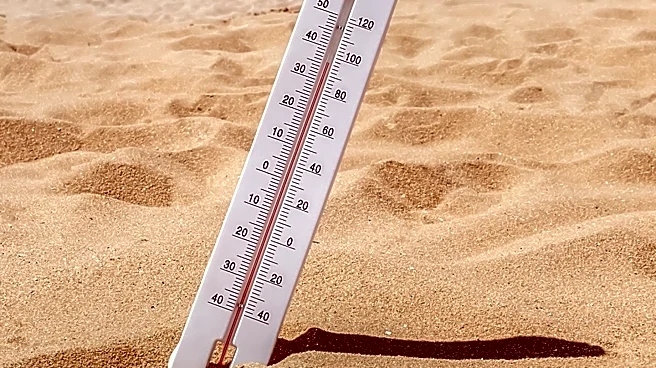
of the Ohio Valley, with temperatures expected to reach the 90s and heat index values surpassing 100 degrees Fahrenheit. The heat wave is anticipated to move eastward, affecting the Ohio Valley, Mid-Atlantic, and Northeast later in the week. Cities and event planners are already adjusting or canceling events in anticipation of the extreme temperatures. Emergency workers in cities like Nashville are distributing water and checking on vulnerable populations. The heat wave coincides with the upcoming Fourth of July holiday weekend, raising concerns about safety during outdoor celebrations.
Why It's Important?
The heat wave poses significant health risks, particularly for vulnerable populations such as the elderly, children, and those without access to air conditioning. It also disrupts daily life and planned events, impacting local economies and community activities. The situation highlights the growing challenges of extreme weather events, which are becoming more frequent and severe due to climate change. Public health officials are urging people to stay hydrated, seek shade, and avoid outdoor activities during peak heat hours. The heat wave also serves as a reminder of the need for infrastructure that can withstand extreme weather, such as reliable cooling systems and accessible public cooling centers.
What's Next?
As the heat wave progresses eastward, more communities will likely implement similar measures to protect residents. Authorities may issue additional warnings and advisories, and emergency services will continue to monitor and assist those in need. The situation underscores the importance of preparedness and adaptation strategies to mitigate the impacts of extreme weather. In the longer term, there may be increased calls for policy changes to address climate resilience and support for vulnerable populations during such events.