

What's Happening?
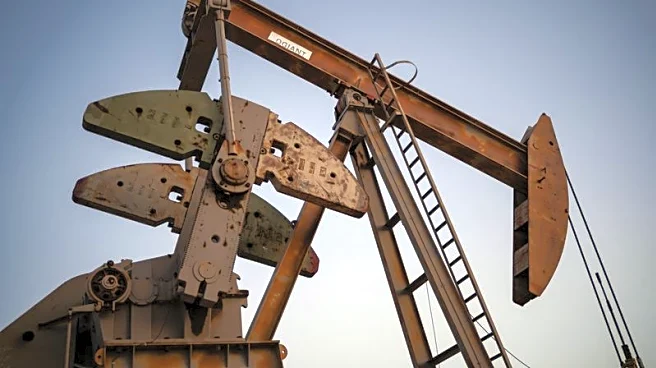
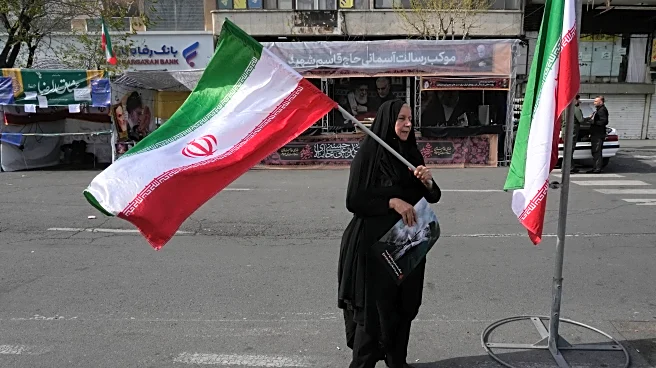
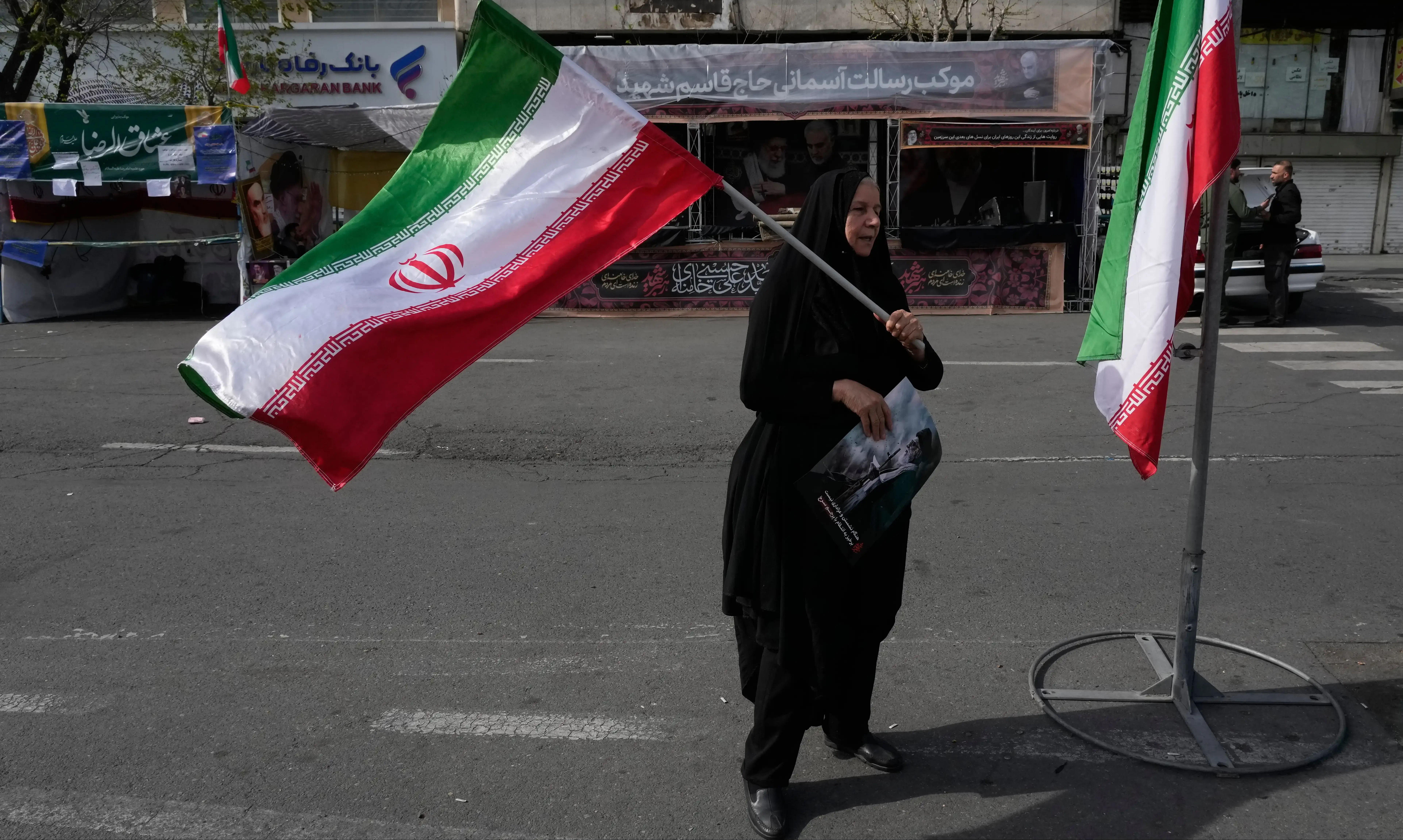
Oil prices have risen as Iran denied having talks with the United States to resolve the ongoing conflict in the Gulf. This denial contradicts President Trump's statement about potential agreements with Iranian officials. Brent crude futures increased
by 2.9% to $102.83, while West Texas Intermediate rose by 2.8% to $90.62. The conflict has severely disrupted shipments through the Strait of Hormuz, a vital passage for global oil and LNG supplies. Despite a temporary delay in U.S. military actions, the market remains unsettled, with traders wary of further disruptions. Iran's Revolutionary Guards have dismissed U.S. claims as psychological operations, maintaining a tense geopolitical environment.
Why It's Important?
The rise in oil prices underscores the ongoing supply risks associated with the Middle East conflict. The Strait of Hormuz is a critical artery for global energy supplies, and its disruption has significant implications for international markets. The uncertainty surrounding U.S.-Iran relations and potential military actions could lead to sustained high oil prices, affecting global economic conditions. Industries dependent on oil may face increased operational costs, potentially leading to higher consumer prices and inflation. The situation also highlights the geopolitical complexities influencing energy markets and the need for strategic planning to mitigate risks.
What's Next?
The market is likely to remain volatile as geopolitical tensions persist. The U.S. may consider further diplomatic or military actions, while Iran's response will be closely watched. The potential for further disruptions in the Strait of Hormuz could keep oil prices elevated. Strategic releases from oil reserves by major economies may be considered to stabilize the market. The international community will continue to monitor the situation, with potential implications for global energy policies and economic strategies.