



What's Happening?
The RAND Corporation has announced the appointment of Amanda Hsiao as the new Distinguished Hu Chair in Taiwan Policy. This role is designed to bolster RAND's research and analysis concerning Taiwan's political landscape and strategic outlook. The appointment formalizes
leadership within the RAND Corporation Taiwan Initiative, which was established in 2019 with support from benefactor Benny Hu. Amanda Hsiao brings extensive experience to this position, having previously worked in both Taipei and Beijing. She holds a Master of Public Affairs from Princeton University and a Bachelor of Arts in international relations from Pomona College. Her new role is expected to deepen RAND's analytical output regarding the regional strategic environment, providing more frequent reports and strategic assessments focused on Taiwan-related issues.
Why It's Important?
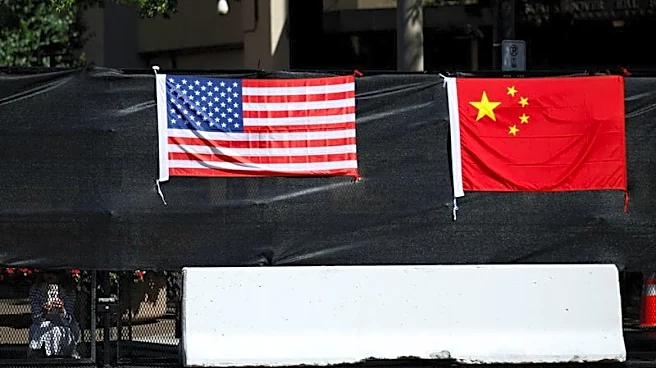
This appointment is significant for U.S. foreign policy observers and consumers of policy research, as it signals an increased focus on Pacific regional security. Taiwan's strategic importance in global geopolitics, particularly in relation to U.S.-China relations and global supply chains, makes in-depth analysis crucial. The formalization of leadership in Taiwan policy at RAND indicates a long-term research priority for the institution, which can influence U.S. policy decisions and strategic planning in the Indo-Pacific. A greater volume of expert analysis on Taiwan-related issues will provide policymakers with more comprehensive data and perspectives, potentially shaping diplomatic, economic, and security strategies. This move also highlights the growing recognition within prominent American research organizations of the need for specialized expertise to navigate complex international relations.
What's Next?
Observers of foreign policy should closely monitor upcoming RAND publications to understand how this leadership shift influences the organization's regional policy recommendations. The appointment is expected to lead to a greater volume of expert analysis regarding Pacific regional security, with more frequent reports and strategic assessments focused on Taiwan-related issues. This enhanced research capacity will likely inform discussions among U.S. policymakers, potentially influencing legislative actions, diplomatic engagements, and defense strategies concerning Taiwan and the broader Indo-Pacific region. The long-term institutional focus on Taiwan's strategic outlook suggests a sustained effort to provide in-depth insights into this critical geopolitical area.
Beyond the Headlines
The appointment of a dedicated chair for Taiwan policy at RAND reflects a broader trend in U.S. strategic thinking, emphasizing the critical role of Taiwan in global stability and U.S. national interests. This move underscores the increasing complexity of the Indo-Pacific region and the need for specialized, nuanced analysis beyond general foreign policy. It also highlights the growing importance of think tanks and independent research organizations in shaping public discourse and informing governmental decisions. The focus on Taiwan could also signal a shift in academic and policy research priorities, encouraging more scholars and institutions to delve into the intricacies of cross-strait relations, regional security, and economic interdependence. This could lead to a more informed public and a more robust debate on U.S. engagement in the region.