



What's Happening?
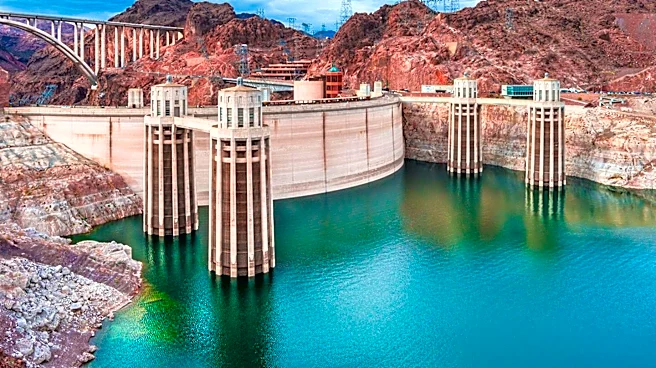
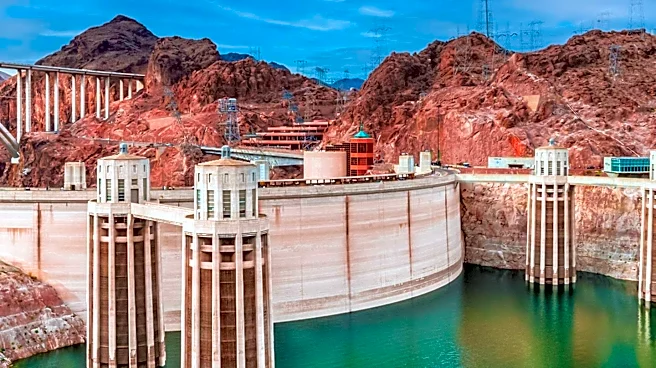
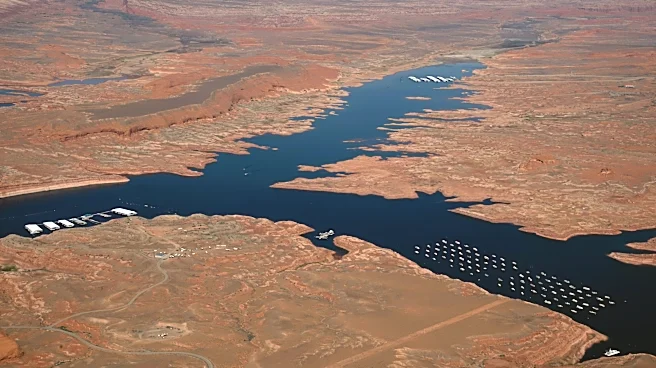
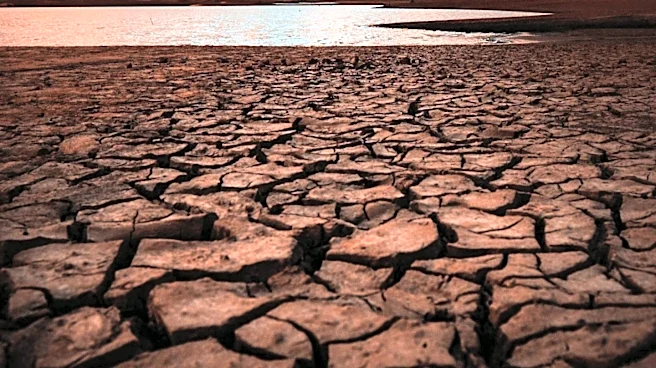
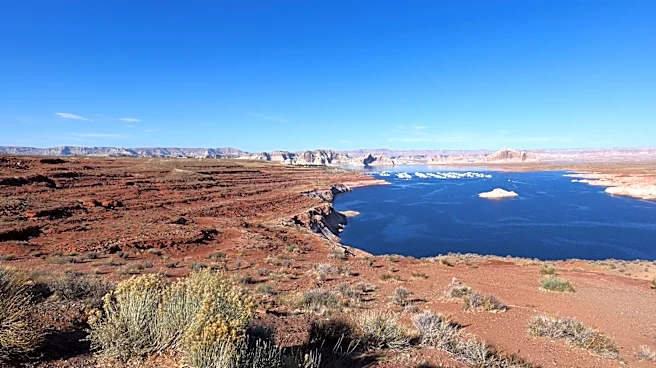
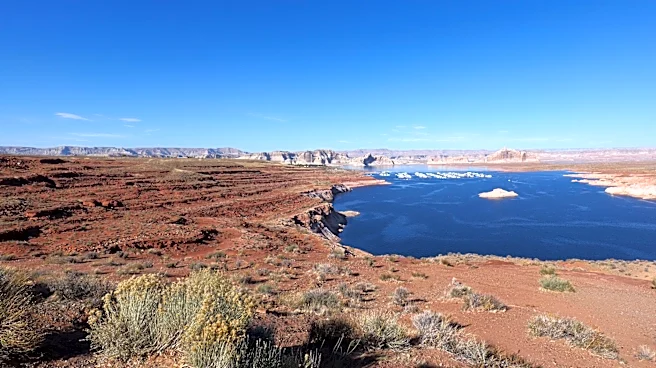
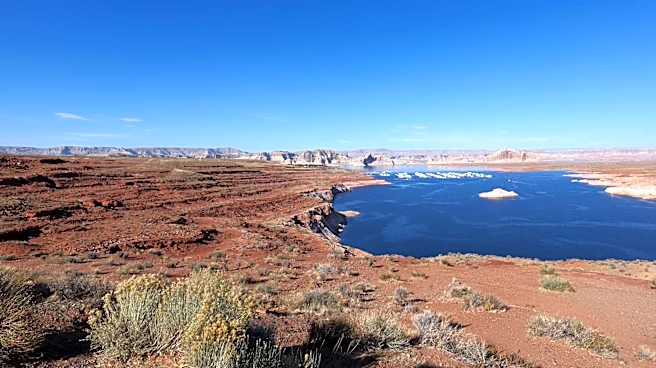
The Colorado River Basin is facing a severe water shortage, with Lake Mead and Lake Powell, the nation's largest and second-largest reservoirs, reaching record low levels. Lake Powell, in particular, is just 30 feet above the minimum level required for
its electrical generators. A proposal suggests draining Lake Powell as a solution to the Western water crisis. The argument for draining Lake Powell centers on its significant water loss due to evaporation and seepage in its hot, arid, and porous sandstone canyon environment. Scientists estimate that Lake Powell loses approximately 800,000 acre-feet of water annually, an amount equivalent to New Mexico's entire legal water allotment from the river basin. The reservoir does not directly supply major irrigation systems or large cities, with only Page, Arizona (population 7,500), and a few small Navajo communities relying on it. The current water policy in the American West is criticized for its anachronistic legal precedents and federal subsidies, which lead to disproportionately low water prices for certain sectors, contributing to waste.
Why It's Important?
The proposal to drain Lake Powell highlights the critical state of water resources in the American Southwest and the urgent need for comprehensive water policy reform. The substantial water loss from Lake Powell through evaporation and seepage exacerbates the regional water scarcity, impacting millions of people and various economic sectors. The current pricing structure, where agricultural users pay significantly less for water than urban areas, is identified as a major contributor to the shortage, encouraging inefficient water use. Consolidating water storage into Lake Mead, which also experiences evaporation but serves more farms and cities, could potentially improve water management efficiency. The potential loss of hydroelectric power generation from Glen Canyon Dam, currently a source of zero-carbon electricity, would necessitate alternative energy solutions, such as large-scale solar-battery farms, to maintain grid stability and meet energy demands in the region. The debate over Lake Powell underscores the broader challenges of balancing environmental conservation, economic interests, and sustainable resource management in the face of climate change.
What's Next?
Addressing the water crisis in the Colorado River Basin will require a significant legal overhaul of existing water policies. The immediate next steps could involve constructing drain tunnels at Glen Canyon Dam as a safety precaution, especially if Lake Powell's water levels continue to drop towards the 'dead pool' level, which would prevent water from reaching Lake Mead and the Lower Basin states. The Bureau of Reclamation currently plans to maintain a minimum pool level of 3,500 feet, but the construction of new outlet tunnels would take years. Stakeholders, including the Colorado Basin states and the federal government, will need to confront the realities of the water shortage and potentially consider drastic measures. If Lake Powell is drained, the focus would shift to developing alternative energy sources, such as solar-battery farms, to replace the lost hydroelectric capacity. Additionally, efforts to restore the natural Glen Canyon, which has been submerged by the lake, could attract new forms of tourism and recreation, potentially offsetting some economic losses from the change in water-based activities.
Beyond the Headlines
The discussion around draining Lake Powell extends beyond immediate water management to touch upon profound ethical, cultural, and environmental considerations. The original construction of Glen Canyon Dam and the creation of Lake Powell submerged a landscape described as one of the most beautiful places on Earth, including significant cultural sites. Restoring Glen Canyon could offer an opportunity to reclaim these natural and cultural treasures, potentially fostering a new era of ecological tourism and appreciation for the region's indigenous heritage. The proposal also challenges the long-held paradigm of large-scale water infrastructure projects, prompting a reevaluation of their long-term sustainability and environmental impact in arid regions. The economic implications are complex, involving the potential loss of existing recreational industries tied to the lake versus the emergence of new economic activities related to a restored canyon. This situation highlights the tension between historical water rights and the ecological realities of a changing climate, forcing a re-examination of how water is valued, allocated, and managed in the American West.