







What's Happening?
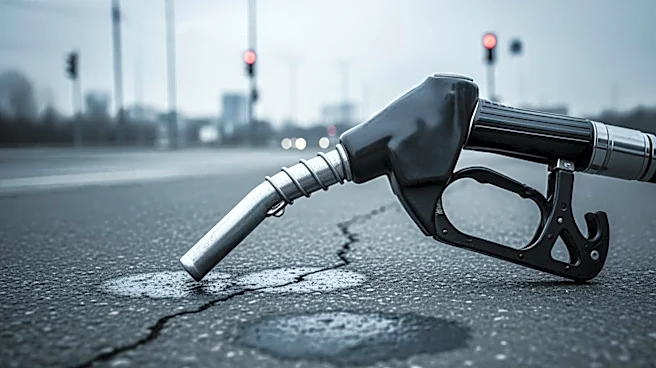
The conflict involving Iran has led to a significant disruption in global oil markets, resulting in a sharp increase in fuel prices in Chicago. Gas prices in the city have risen by over 25% since the conflict began, with diesel prices reaching their highest
levels since 2022. This surge is impacting both individual consumers and businesses, such as Moran Transportation Corporation, which faces increased operational costs. The closure of the Strait of Hormuz and damage to oil facilities have exacerbated the situation, leading to a prolonged period of high fuel prices.
Why It's Important?
The increase in fuel prices is placing additional financial strain on households and businesses in Chicago. For consumers, higher gas prices mean reduced disposable income and potential changes in spending habits. For businesses, especially those reliant on transportation, the increased costs could lead to higher prices for goods and services, potentially slowing economic activity. The situation underscores the interconnectedness of global events and local economies, highlighting the need for resilient supply chains and energy policies.
What's Next?
The duration of the conflict and its impact on global oil supply will be critical in determining future fuel prices. Businesses may need to explore cost-saving measures or pass on costs to consumers. Policymakers might consider interventions to stabilize fuel prices or provide relief to affected industries. The situation also calls for a reassessment of energy strategies to reduce dependency on volatile regions.