






What's Happening?
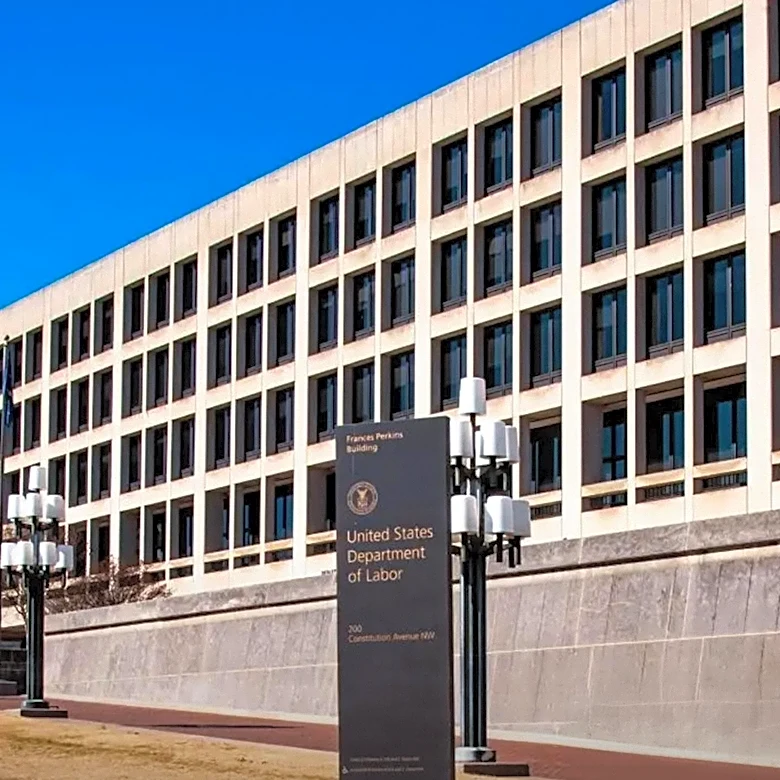
South Africa has requested an exemption from proposed U.S. tariffs linked to an investigation into forced labor practices. A delegation from South Africa's Department of Trade, Industry and Competition appeared before the U.S. Trade Representative in Washington,
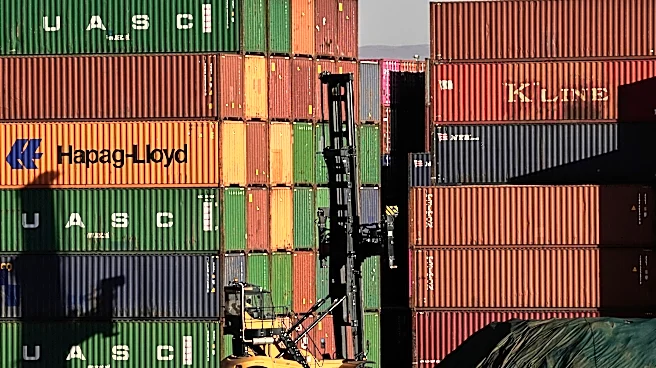
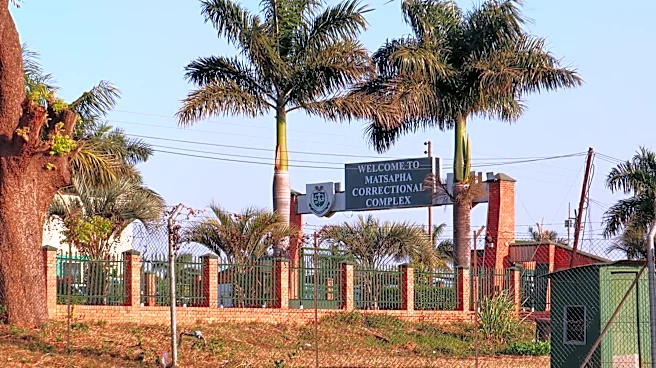
arguing that South Africa has robust laws against forced labor. The investigation, under Section 301, is assessing whether 60 economies enforce bans on imports made with forced labor. South Africa highlighted its ratification of International Labor Organization conventions and existing legislation prohibiting imports produced through forced labor, including prison labor. The delegation urged the U.S. not to impose a 12.5% tariff on South African exports, such as platinum group metals, vehicles, citrus, seafood, wine, and nuts, asserting there is no evidence of forced labor in their production.
Why It's Important?
The potential imposition of tariffs could significantly impact South Africa's economy, which benefits from duty-free access to the U.S. market under the African Growth and Opportunity Act. This trade program has facilitated billions of dollars in exports from sub-Saharan Africa. The tariffs could strain trade relations further, as tensions have already been high due to disagreements over tariffs and foreign policy. South Africa's appeal is crucial to maintaining its economic ties with the U.S., which remains a vital trading partner. The outcome of this investigation could set a precedent for how the U.S. addresses forced labor concerns globally, affecting international trade dynamics.
What's Next?
The U.S. trade office has allowed time for additional submissions until Thursday before making a decision. South Africa's Trade Minister Parks Tau emphasized the importance of continued engagement with Washington on this issue and other trade matters, including existing U.S. tariffs on steel, aluminum, and automobiles. The decision could influence future trade negotiations and the renewal of the African Growth and Opportunity Act, which is set to expire unless renewed by Congress.