


What's Happening?
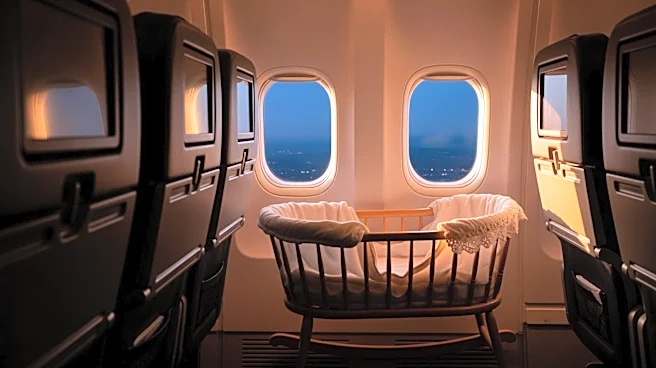
A passenger aboard a Caribbean Airlines flight went into labor as the aircraft was landing at New York's JFK Airport. The baby was born before the plane reached its gate. During the landing process, air traffic control humorously suggested that the newborn
be named 'Kennedy.' The flight crew coordinated with air traffic control to expedite the landing, ensuring medical personnel were ready at the gate. This incident is not the first of its kind at JFK, as a similar event occurred in 2005. The flight did not declare a formal emergency but was given priority to land. The identity of the parents remains unknown, but the child is considered a U.S. citizen under the Fourteenth Amendment, which grants citizenship to those born in the U.S. or its airspace.
Why It's Important?
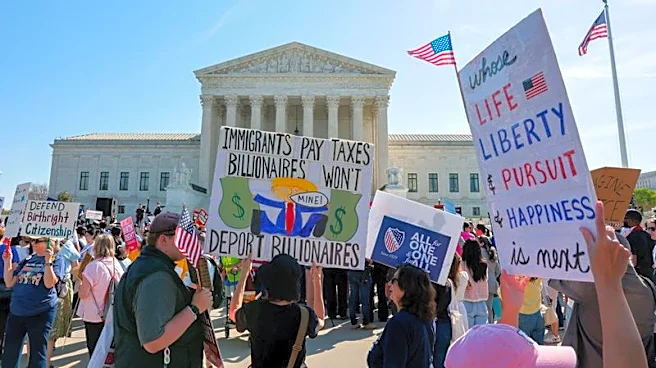
The birth of a child on a flight highlights the complexities of air travel regulations concerning pregnant passengers and citizenship laws. The incident underscores the importance of airlines having protocols for medical emergencies, especially those involving childbirth. It also brings attention to the ongoing legal and political debates surrounding birthright citizenship in the U.S. The Trump administration's attempts to narrow birthright citizenship were blocked by courts, and the Supreme Court recently heard arguments on the issue. This case could have significant implications for immigration policy and the interpretation of the Fourteenth Amendment.
What's Next?
The Supreme Court's decision on birthright citizenship could redefine the legal landscape for children born in the U.S. to non-citizen parents. Airlines may also review their policies regarding pregnant passengers to prevent similar incidents. The aviation industry might see increased scrutiny on how it handles in-flight medical emergencies, potentially leading to new guidelines or regulations. Stakeholders, including immigration advocates and policymakers, will likely continue to debate the implications of birthright citizenship and its impact on U.S. immigration policy.
Beyond the Headlines
This event also touches on cultural and ethical dimensions, such as the rights of children born in transit and the responsibilities of airlines to ensure passenger safety. The humorous suggestion by air traffic control to name the baby 'Kennedy' reflects a lighter side of aviation culture, yet it also highlights the human element in managing high-stress situations. The story may influence public perception of air travel and the unique challenges it presents.