







What's Happening?
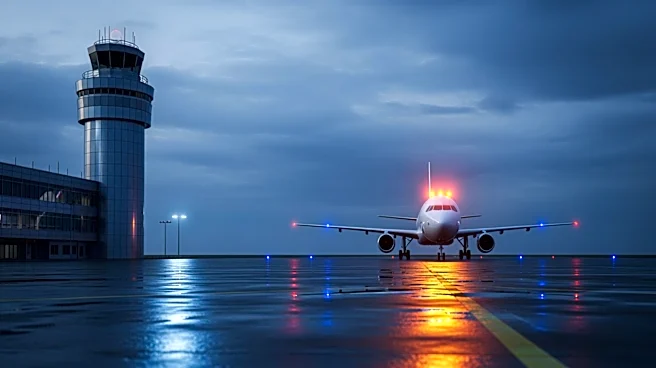
A flight bound for Detroit was diverted to Canada due to concerns over a passenger potentially exposed to Ebola. The Air France flight, which departed from Paris, was rerouted to Montreal after U.S. Customs and Border Protection (CBP) prohibited it from landing
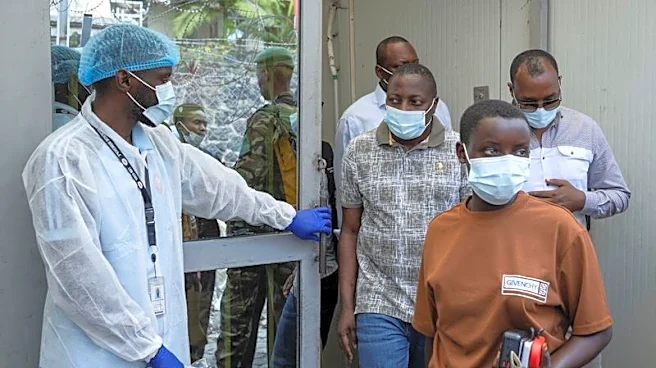
in Detroit. The passenger, who had traveled from the Democratic Republic of Congo, was assessed and found asymptomatic. This incident comes as the U.S. Department of Homeland Security (DHS) prepares to implement new travel restrictions requiring flights from affected African countries to land at Washington-Dulles International Airport.
Why It's Important?
The diversion of the Detroit flight underscores the heightened vigilance and precautionary measures being taken by U.S. authorities to prevent the spread of Ebola. The incident highlights the challenges faced by airlines and travelers amid the outbreak and the potential for significant disruptions to international travel. The new DHS restrictions aim to centralize health screenings and better manage potential cases, reflecting the importance of coordinated efforts to address global health threats. The situation also raises questions about the balance between public health and the impact on international travel and trade.
What's Next?
The DHS is expected to implement the new travel restrictions, requiring flights from the Democratic Republic of Congo, Uganda, and South Sudan to land at Washington-Dulles International Airport. Health authorities will continue to monitor the situation and may adjust the restrictions based on the outbreak's progression. The international community, including the World Health Organization (WHO), will likely continue to support efforts to contain the virus at its source. Travelers should be prepared for possible changes to flight schedules and extended processing times upon arrival in the U.S.