
What's Happening?
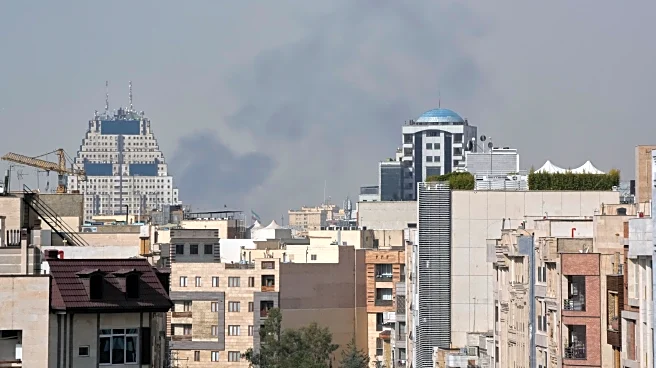
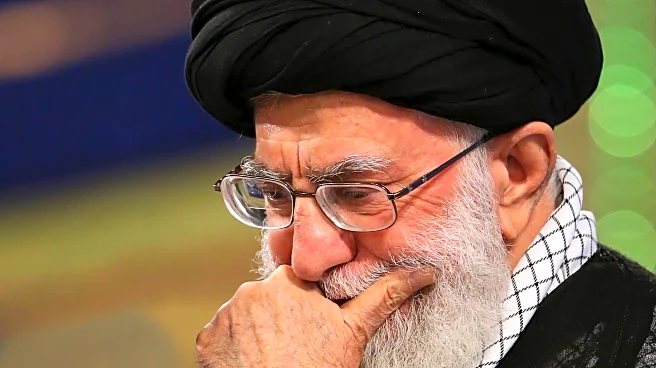
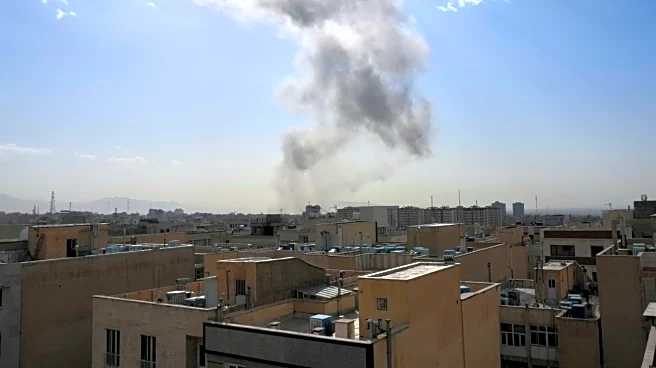
Iranian Supreme Leader Ayatollah Ali Khamenei is reportedly presumed dead following a joint military operation conducted by the United States and Israel. According to Israeli officials, the strikes took place on a Saturday, targeting key locations associated
with Iran's leadership. The operation marks a significant escalation in the ongoing tensions between Iran and these two nations. The report was covered by CBS News, with Tony Dokoupil anchoring a Special Report on the development. The death of Khamenei, if confirmed, could lead to a major shift in Iran's political landscape, potentially affecting its domestic and foreign policies.
Why It's Important?
The presumed death of Ayatollah Ali Khamenei could have profound implications for the Middle East and beyond. As the Supreme Leader, Khamenei held significant influence over Iran's political and military strategies. His absence might lead to a power vacuum, triggering internal power struggles within Iran's political elite. This development could also impact Iran's relations with other countries, particularly those in the West, and might alter the dynamics of ongoing negotiations regarding Iran's nuclear program. Additionally, the joint U.S.-Israeli operation underscores the strategic military cooperation between the two nations, which could further strain their relations with Iran.
What's Next?
If Khamenei's death is confirmed, Iran will need to appoint a new Supreme Leader, a process that could take time and lead to political instability. The international community will be closely monitoring the situation, as any shift in Iran's leadership could influence regional security and diplomatic relations. The U.S. and Israel may face international scrutiny for their roles in the operation, potentially affecting their diplomatic standing. Meanwhile, Iran's response to the strikes could involve retaliatory measures, escalating tensions in the region.