







What's Happening?
The PBS News Hour reported on recent developments involving ICE and U.S.-Iran relations. ICE has suspended most vehicle stops following two fatal shootings, prompting calls for increased accountability and the deployment of body cameras. Meanwhile, tensions
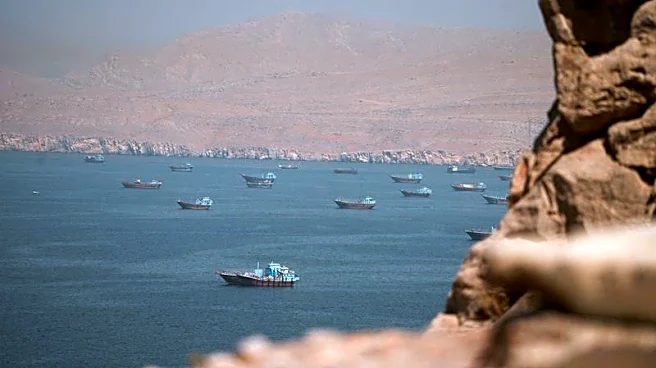
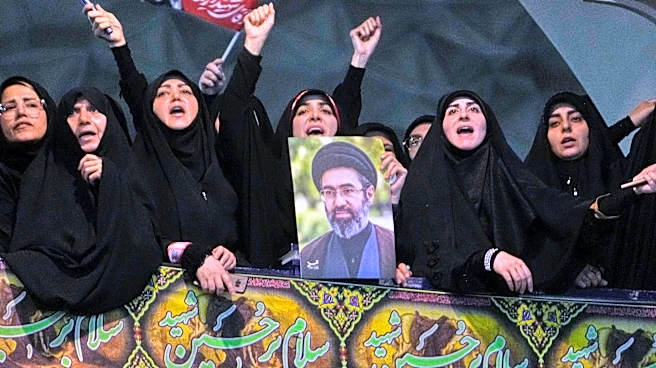
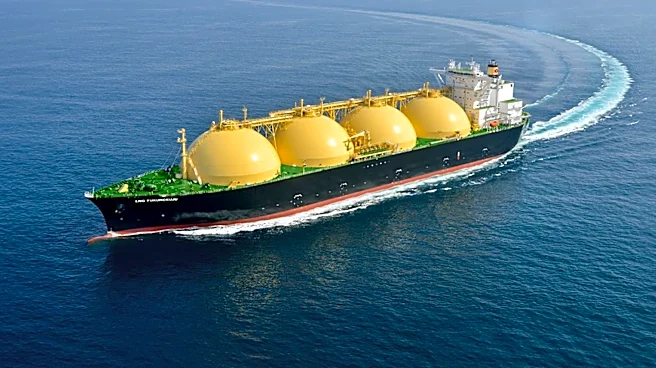
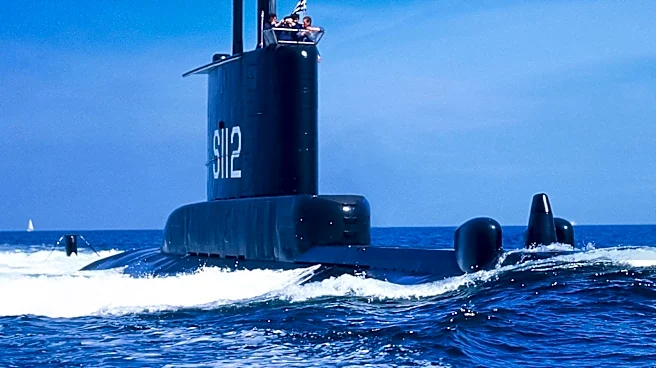
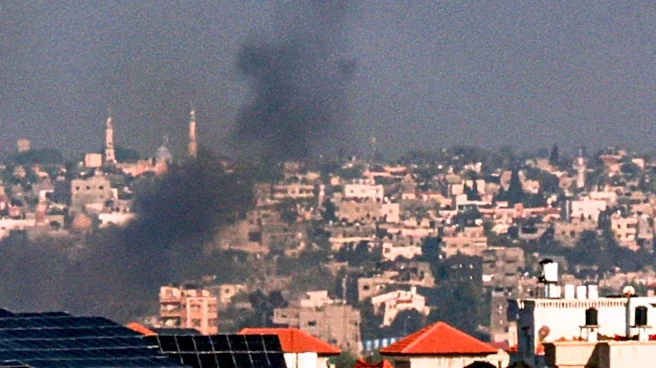
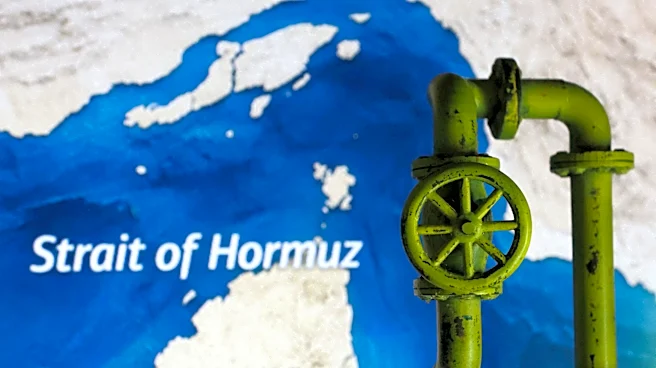
between the U.S. and Iran have escalated, with the U.S. launching strikes and imposing a naval blockade on Iranian ports. These actions are part of a broader strategy to pressure Iran economically and militarily. The situation in the Strait of Hormuz remains volatile, affecting global oil prices and international relations.
Why It's Important?
The ICE policy changes reflect ongoing debates about law enforcement practices and the use of force in immigration operations. The decision to suspend vehicle stops and deploy body cameras is a response to public and political pressure for greater transparency. In the international arena, the U.S.-Iran tensions have significant implications for global security and economic stability. The conflict in the Strait of Hormuz affects oil supply routes, impacting energy prices and international trade. The U.S. strategy towards Iran is a critical component of its foreign policy, with potential repercussions for regional and global dynamics.
What's Next?
ICE will continue to implement body camera deployment and review its enforcement practices. The U.S. administration may face further scrutiny and calls for reform in its immigration policies. In the Middle East, the U.S. and Iran are likely to continue their strategic maneuvers, with potential for further military and diplomatic developments. The international community will be closely monitoring the situation, with potential implications for global energy markets and geopolitical alliances.