





What's Happening?
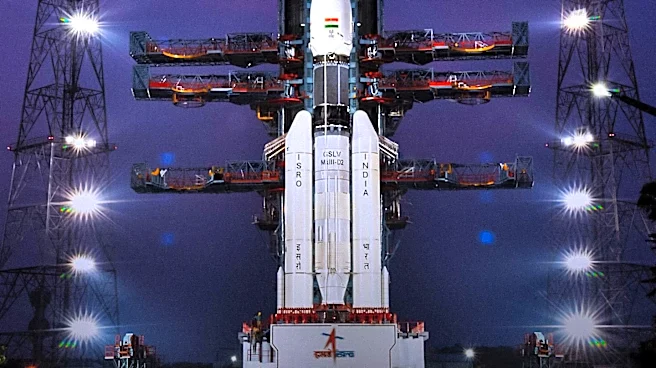
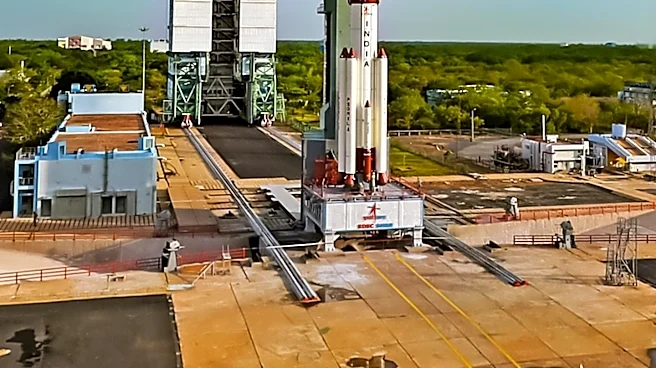
The Indian Space Research Organisation (ISRO) successfully completed the GSLV-F18/NVS-03 mission on October 30, 2026, at 23:51 hours from the Satish Dhawan Space Centre, Sriharikota. The GSLV-F18 launch vehicle precisely injected the Navigation Satellite
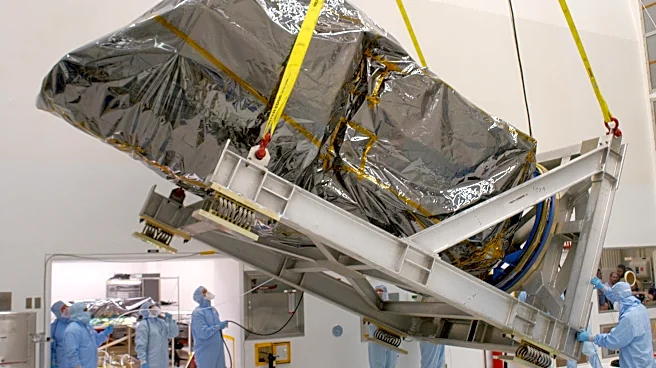
NVS-03 into a Geosynchronous Transfer Orbit (GTO). The first orbit maneuver was completed on October 31, 2026, with further maneuvers planned to position the satellite in its designated geosynchronous orbital slot at 111.75° East. NVS-03 is the third satellite in India's series of five next-generation Navigation satellites, designed to strengthen the 'Navigation with Indian Constellation' (NavIC) system. This mission marks the 20th flight of India's Geosynchronous Satellite Launch Vehicle, demonstrating its continued operational use for strategic space missions. The satellite carries navigation payloads in the L1, L5, and S frequency bands, enhancing NavIC's capabilities and compatibility, and supports navigation coverage across India's landmass and a region extending 1,500 km beyond its geopolitical boundary. Ananth Technologies, a private Indian company, supplied 46 flight-hardware packages for the rocket and nine systems for NVS-03, highlighting the growing contribution of the domestic private sector to India's space program.
Why It's Important?
The successful launch of NVS-03 significantly strengthens India's independent Positioning, Navigation, and Timing (PNT) capabilities. This advancement reduces India's reliance on foreign satellite navigation systems, such as the U.S. Global Positioning System (GPS), for critical applications. Enhanced PNT capabilities are vital for various sectors, including transportation, maritime operations, aviation, disaster management, precision agriculture, and strategic services. The inclusion of the L1 signal alongside the L5 and S signals in NVS-03 improves the accuracy, reliability, and coverage of NavIC, making it more robust and interoperable with other global navigation satellite systems. The mission also underscores the increasing role of India's private space industry, with companies like Ananth Technologies contributing essential components. This collaboration fosters technological self-reliance and boosts India's overall capacity in designing, developing, and operating strategic space infrastructure, reinforcing its space sovereignty and global standing in the space sector.
What's Next?
Following the successful injection into GTO and the initial orbit maneuver, further maneuvers are planned to place NVS-03 into its final geosynchronous orbital slot at 111.75° East. Once in its designated orbit, the satellite will undergo testing and calibration to ensure its full operational readiness. The NVS series aims to augment the existing NavIC constellation and ensure the continuity of indigenous navigation services. With NVS-01, NVS-02, and NVS-03 now launched, NVS-04 and NVS-05 are in the pipeline, expected to further boost the coverage, reliability, and availability of NavIC services. The continued development and deployment of these next-generation satellites will solidify India's position as a key player in satellite navigation technology, potentially leading to broader international collaborations and applications for its independent navigation system.
Beyond the Headlines
The NVS-03 mission represents a significant step towards India's 'Atmanirbhar Bharat' (self-reliant India) initiative in advanced space technology. The indigenous development of an atomic clock within NVS-03, alongside procured ones, highlights India's growing scientific and technological prowess in a highly specialized field. Accurate atomic clocks are fundamental for precise timing in navigation signals, directly impacting the accuracy of location determination. The increasing involvement of the private sector in supplying critical components for ISRO missions signifies a shift towards a more integrated and robust national space ecosystem. This trend could lead to greater innovation, cost-effectiveness, and accelerated development within India's space program, potentially creating new economic opportunities and fostering a competitive domestic space industry. The enhanced NavIC system could also have geopolitical implications, offering an alternative to foreign-controlled navigation systems for allied nations and further asserting India's technological independence on the global stage.