






What's Happening?
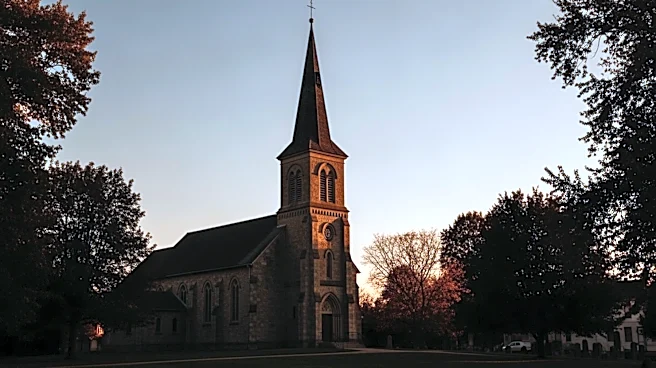
Mount Gilead Baptist Church, a historic landmark in Fort Worth, Texas, held its final service. The church, founded by freed slaves, was recently listed as one of Fort Worth's most endangered places, highlighting its risk of demolition. This designation
underscores the church's historical significance and the community's concern over preserving such landmarks. The church has been a cornerstone of the local community, serving as a place of worship and a symbol of resilience and heritage. The final service marks the end of an era for the congregation and raises awareness about the challenges faced by historic sites in maintaining their presence amidst urban development pressures.
Why It's Important?
The closure of Mount Gilead Baptist Church is significant as it reflects broader issues of historical preservation and urban development. As cities expand, historic sites often face threats of demolition, which can lead to the loss of cultural heritage and community identity. The church's closure highlights the need for policies that balance development with the preservation of historically significant sites. This event may prompt local governments and preservationists to advocate for stronger protections and funding for endangered landmarks. The loss of such sites can impact community cohesion and erase important narratives of history, particularly those related to marginalized groups.
What's Next?
Following the final service, there may be efforts by local preservationists and community members to save Mount Gilead Baptist Church from demolition. These efforts could include fundraising campaigns, petitions, or appeals to local government for intervention. The church's status as an endangered site may also attract attention from national preservation organizations, potentially leading to broader support. The outcome will depend on the community's ability to mobilize resources and advocate for the church's historical value. Additionally, this situation may inspire other communities to proactively protect their historic sites before they reach a similar point of crisis.