



What's Happening?
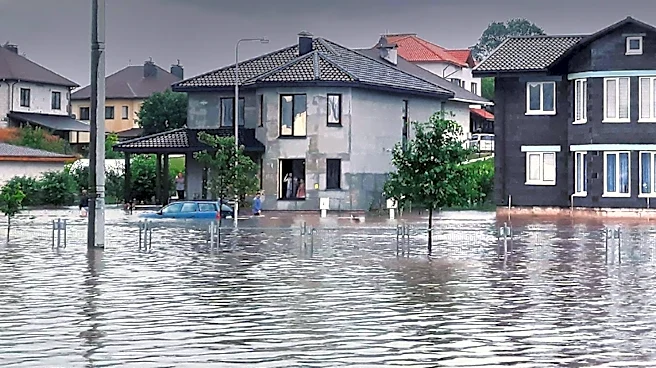
Seattle Public Utilities (SPU) is preparing for the highest predicted winter tides from November 2026 through early March 2027. Residents and businesses near tidal waters are advised to plan for and track these tides, which are expected to exceed 10 feet
North American Vertical Datum of 1988 (NAVD 88). Specific periods of concern include November 25-29, December 24-30, January 22-27, and February 21-24. SPU continuously monitors storms, tides, and atmospheric pressure to prepare for and respond to potential flooding events. This year, the utility is also closely observing how weather patterns such as Super El Niño and Kelvin waves could further elevate water levels. SPU encourages the public to utilize Seattle’s Flood Safety webpage for preparedness information and to sign up for AlertSeattle, the city’s official emergency alert system. For urgent flooding or sewer backup issues, residents can contact SPU’s 24/7 Operations Response Center.
Why It's Important?
The proactive measures by Seattle Public Utilities are crucial for mitigating the impact of predicted high winter tides on the region's infrastructure and communities. Seattle, a major port city with extensive waterfront areas, is particularly vulnerable to tidal flooding, which can disrupt transportation, damage property, and pose risks to public safety. The monitoring of weather phenomena like Super El Niño and Kelvin waves highlights the increasing complexity of flood prediction and the need for adaptive strategies in the face of changing climate patterns. Effective flood preparedness and response are vital for protecting economic assets, ensuring the continuity of essential services, and safeguarding residents. Businesses and homeowners in low-lying areas stand to gain from timely warnings and resources, while inadequate preparation could lead to significant financial losses and operational disruptions.
What's Next?
Seattle Public Utilities will continue to monitor weather and tidal conditions throughout the winter season, providing updates and alerts as necessary. Residents in the South Park neighborhood are specifically encouraged to visit SPU’s South Park Flooding website to sign up for text notifications tailored to their area. The city will likely issue further advisories as the predicted high tide periods approach, emphasizing the importance of individual and community preparedness. Emergency services will remain on standby to respond to any flooding incidents. The ongoing observation of Super El Niño and Kelvin waves suggests that future flood management strategies may increasingly integrate long-term climate pattern analysis to enhance predictive capabilities and resilience planning.
Beyond the Headlines
The recurring challenge of high winter tides in Seattle underscores broader issues of urban resilience and climate adaptation in coastal cities across the U.S. The mention of Super El Niño and Kelvin waves points to the growing influence of global climate phenomena on local weather and environmental conditions. This situation highlights the need for continuous investment in climate science, infrastructure upgrades, and public education to build more resilient communities. The interplay between natural cycles and human-induced climate change necessitates a comprehensive approach to urban planning, including sustainable drainage solutions, shoreline protection, and robust emergency response systems. The experience in Seattle could serve as a case study for other coastal cities grappling with similar environmental pressures, emphasizing the importance of proactive governance and community engagement in addressing climate-related risks.