
What's Happening?
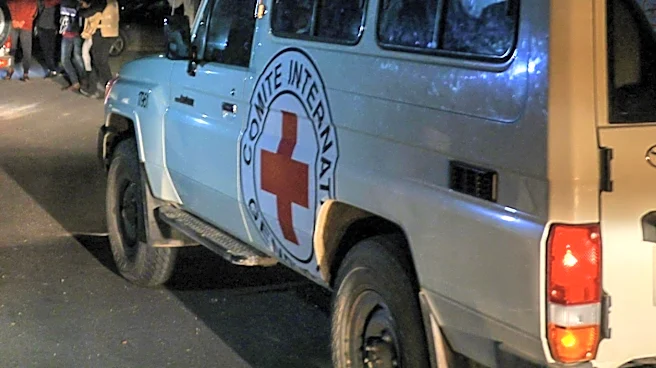
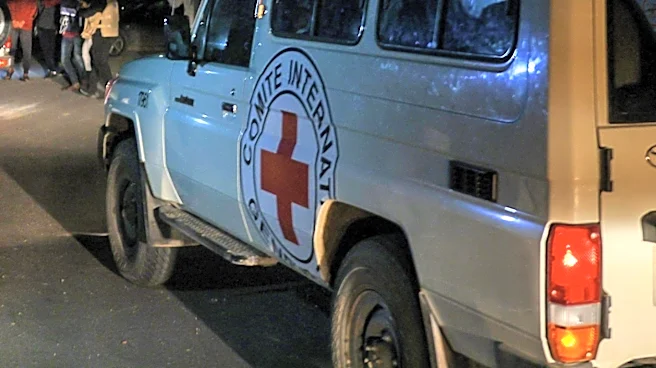
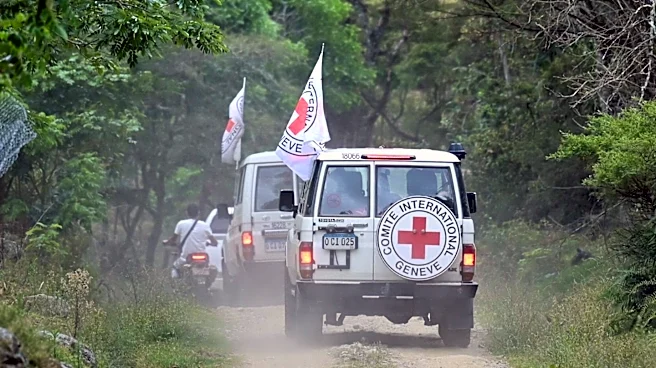
The International Committee of the Red Cross (ICRC) announced on Wednesday that it has successfully delivered a shipment of essential medical supplies to health facilities in Taiz, a southwestern city
in Yemen. This delivery included four trucks carrying crucial medical supplies, such as surgical kits, intended to assist hospitals in treating individuals wounded by weapons. According to the ICRC, this aid is a vital step in addressing the needs of people affected by the conflict in Taiz and provides much-needed support to healthcare facilities that are severely strained by the ongoing fighting. Christine Cipolla, head of the ICRC delegation in Yemen, emphasized the critical importance of timely access to medical care for seriously injured patients, regardless of their location or affiliation in the conflict. The ICRC has faced significant challenges in accessing areas heavily impacted by the fighting but has managed to deliver emergency medical supplies to several frontline hospitals in recent weeks, including those near Taiz.
Why It's Important?
This delivery by the ICRC is crucial for the humanitarian situation in Yemen, particularly in Taiz, where ongoing conflict has severely impacted healthcare infrastructure and access to medical care. The provision of surgical kits and other essential supplies directly addresses the immediate needs of those injured in the fighting, potentially saving lives and alleviating suffering. The ICRC's ability to navigate complex and dangerous environments to deliver aid underscores the persistent challenges faced by humanitarian organizations in conflict zones. This effort highlights the critical role of neutral, independent bodies in providing impartial assistance where state services are overwhelmed or non-existent. The continued operation of such organizations is vital for upholding international humanitarian law and ensuring that basic human needs are met amidst widespread violence and instability.
What's Next?
The ICRC will likely continue its efforts to deliver humanitarian aid to conflict-affected regions in Yemen, including Taiz, as long as the conflict persists and needs remain. The organization will continue to engage with all parties to the conflict to ensure safe and sustained access for humanitarian assistance, emphasizing the protection of health facilities, medical personnel, and the wounded. Future actions will depend on the evolving security situation and the cooperation of warring factions. The ICRC's ongoing presence and advocacy will be critical in monitoring adherence to international humanitarian law and pressing for the protection of civilians. The organization will also likely continue to assess needs and adapt its response to address emerging humanitarian crises within Yemen.
Beyond the Headlines
The ICRC's persistent efforts in Yemen highlight the broader ethical and legal dimensions of armed conflict, particularly concerning the protection of civilians and access to humanitarian aid. The challenges faced by the ICRC in delivering supplies underscore the systemic issues of international humanitarian law violations and the deliberate or incidental targeting of civilian infrastructure, including healthcare facilities. This situation also brings to light the long-term consequences of prolonged conflict on public health systems, which can take years, if not decades, to rebuild. The ICRC's work serves as a critical reminder of the imperative for all parties in a conflict to respect humanitarian principles and facilitate the work of neutral aid organizations, ensuring that human dignity is preserved even in the most dire circumstances.