






What's Happening?
The Environmental Protection Agency (EPA) has raised concerns about the vulnerability of U.S. lakes following a significant fish die-off at San Carlos Lake in Arizona. This event was attributed to a combination of prolonged drought and rapid water releases,
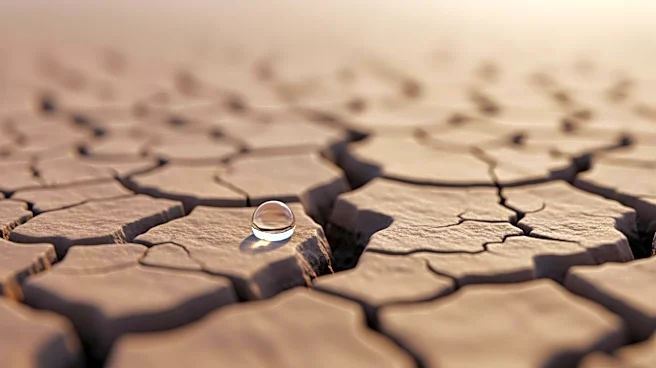
which led to oxygen depletion in the water. The incident has highlighted the broader issue of environmental stressors affecting lakes across the country, including low water levels, warming temperatures, and nutrient pollution. These conditions are conducive to harmful algal blooms, which can create 'dead zones' where aquatic life struggles to survive. The situation at San Carlos Lake is seen as a potential precursor to similar events in other major U.S. water systems.
Why It's Important?
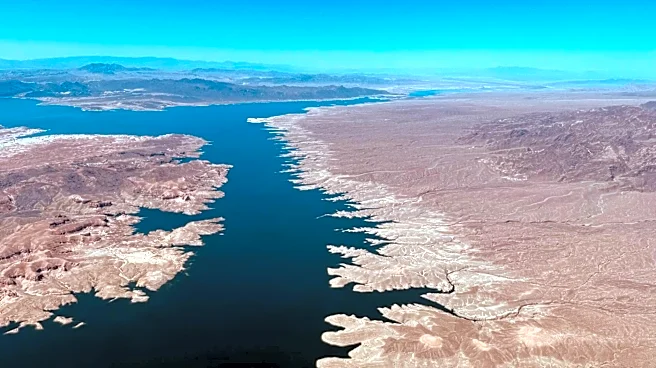
The implications of these environmental stressors are significant, as they threaten not only local ecosystems but also water supply systems that millions of Americans rely on. The Colorado River system, which includes Lake Mead and Lake Powell, is under particular strain, with forecasts indicating potential record low water levels by 2027. This could lead to large-scale disruptions in water delivery across the Western United States. Additionally, the Great Salt Lake in Utah and Lake Erie in the east are experiencing similar challenges, with rising salinity and toxic algal blooms posing threats to their respective ecosystems. The widespread nature of these issues underscores the urgent need for intervention to prevent ecological damage and ensure water security.
What's Next?
If current trends continue, the risk of ecological collapse in these water systems could increase, prompting calls for more sustainable water management practices. Stakeholders, including environmental agencies and local governments, may need to implement measures to mitigate the effects of drought and pollution. This could involve stricter regulations on water usage and pollution control, as well as initiatives to restore and protect vulnerable ecosystems. The situation demands coordinated efforts to address the root causes of these environmental stressors and to safeguard the future of the nation's water resources.
Beyond the Headlines
The challenges facing U.S. lakes also have broader implications for public health and regional economies. For instance, the exposure of lakebeds, as seen with the Great Salt Lake, can lead to toxic dust storms that pose health risks to nearby communities. Furthermore, the decline in water quality and availability can impact industries such as agriculture and tourism, which are heavily dependent on these resources. Addressing these issues requires a holistic approach that considers the interconnectedness of environmental, economic, and social factors.