
What's Happening?
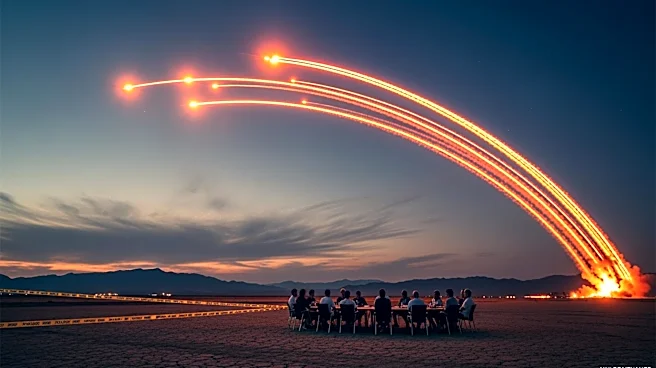
Iran launched ballistic missiles toward northern Israel, marking the first direct attack since a ceasefire was established earlier this year. The Israeli Defense Forces (IDF) confirmed the interception
of these missiles, which were launched in retaliation for Israeli airstrikes on Beirut. The ceasefire had been in place since April, following a coordinated offensive by the United States and Israel against Iran. This escalation comes amid ongoing tensions and stalled diplomatic negotiations between the U.S. and Iran, with both sides accusing each other of violating agreements.
Why It's Important?
This development is significant as it threatens to destabilize the fragile ceasefire and could lead to renewed hostilities in the region. The missile attack underscores the ongoing volatility in the Middle East and the challenges in achieving a lasting peace agreement. The situation has implications for global security and economic stability, particularly in terms of energy markets, as Iran has previously disrupted oil shipments through the Strait of Hormuz. The U.S. and its allies may face increased pressure to respond, potentially leading to further military engagements.
What's Next?
The international community will be closely monitoring the situation for any further military actions or diplomatic efforts to de-escalate tensions. The U.S. administration, under President Trump, has indicated a willingness to resume military operations if diplomatic efforts fail. Meanwhile, Iran's response to any further Israeli or U.S. actions will be critical in determining the next phase of this conflict. The potential for broader regional involvement remains a concern, with implications for global peace and security.