

What's Happening?
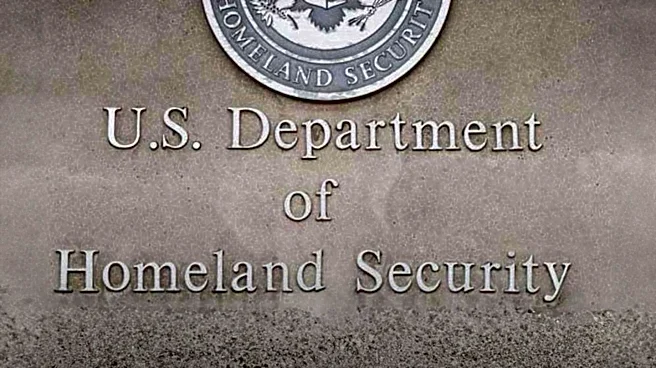
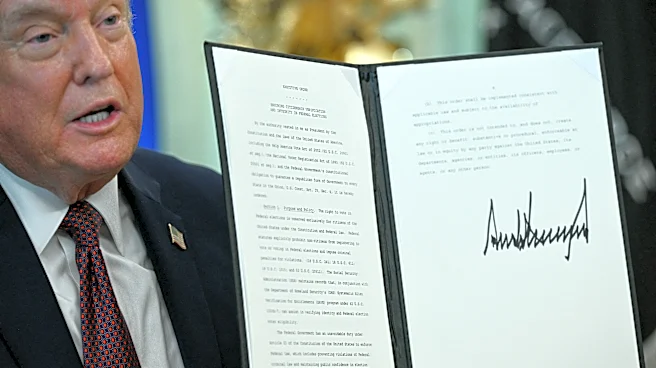
Representative Chrissy Houlahan has publicly criticized President Trump's administration for allegedly purging over 33% of election security personnel from the Cybersecurity and Infrastructure Security Agency (CISA). Houlahan stated that while President Trump emphasizes
the need for secure elections, his White House has simultaneously dismantled programs designed to protect voting rights. She asserted that she is actively working to ensure election administrators in Pennsylvania are equipped with the necessary resources to maintain free, fair, and secure elections. This statement highlights a significant concern among some lawmakers regarding the federal government's commitment to election security and the potential impact of personnel changes on the integrity of the electoral process.
Why It's Important?
The alleged reduction in CISA's election security personnel raises critical questions about the federal government's capacity to safeguard U.S. elections from cyber threats and other vulnerabilities. CISA plays a crucial role in protecting critical infrastructure, including election systems, from foreign and domestic interference. A significant reduction in its election security staff could potentially weaken the nation's defenses against cyberattacks, disinformation campaigns, and other attempts to undermine the electoral process. This issue is particularly important given past concerns about election interference and the ongoing need to ensure public confidence in election outcomes. Representative Houlahan's efforts to support Pennsylvania election administrators underscore the importance of state-level preparedness in the face of perceived federal shortcomings, highlighting a potential disconnect between federal rhetoric and action on election security.
What's Next?
The criticism from Representative Houlahan may prompt further scrutiny into the staffing levels and operational capabilities of CISA's election security division. It could also fuel calls for increased transparency regarding personnel decisions and resource allocation within federal agencies responsible for election protection. Lawmakers may introduce legislation aimed at bolstering CISA's funding and staffing for election security, or at least preventing further reductions. Additionally, state election officials and administrators, particularly in Pennsylvania, may seek to enhance their own cybersecurity measures and partnerships to compensate for any perceived federal gaps. The debate over federal election security efforts is likely to continue, especially as future election cycles approach, with ongoing discussions about the appropriate balance of federal and state responsibilities in safeguarding democratic processes.
Beyond the Headlines
The alleged purging of election security personnel from CISA points to a deeper political and ideological struggle over the narrative of election integrity. Beyond the practical implications for cybersecurity, such actions can be interpreted as an attempt to control the information flow and expertise surrounding election vulnerabilities, potentially serving political agendas. This situation raises ethical questions about the politicization of non-partisan government agencies and the long-term impact on institutional knowledge and expertise. The erosion of trust in federal agencies responsible for election security could have profound consequences for democratic stability, fostering an environment where claims of election fraud or insecurity gain traction, regardless of factual basis. This development could also lead to a more fragmented approach to election security, with states and local jurisdictions taking on greater responsibility, potentially creating inconsistencies and new vulnerabilities across the national electoral landscape.