





What's Happening?
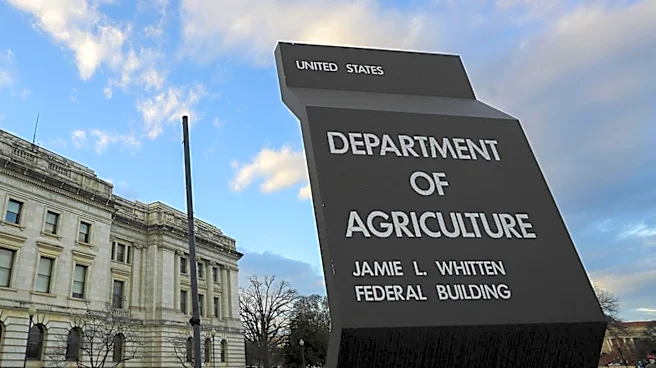
The U.S. Department of Agriculture (USDA), under the leadership of Agriculture Secretary Brooke Rollins, has announced a commitment of over $382 million to programs designed to bolster the nation’s struggling beef industry. This significant investment
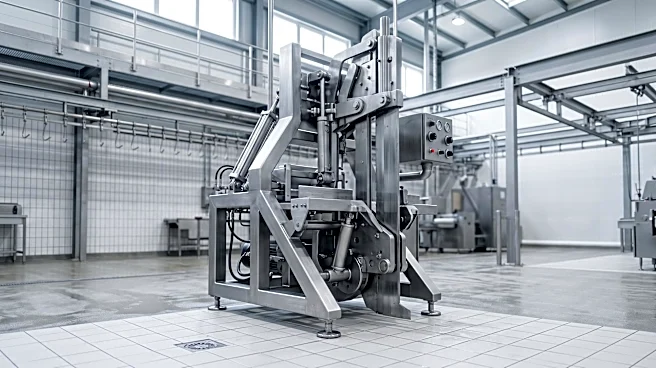
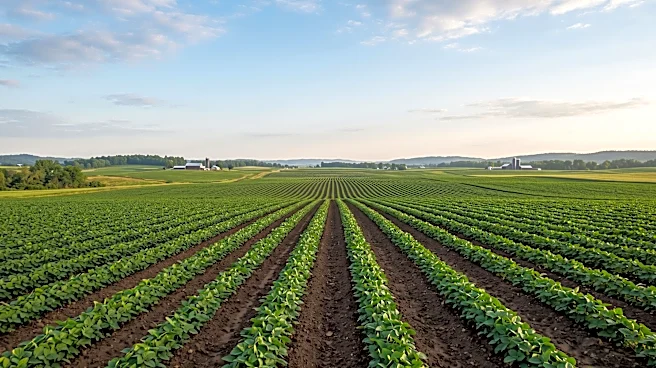
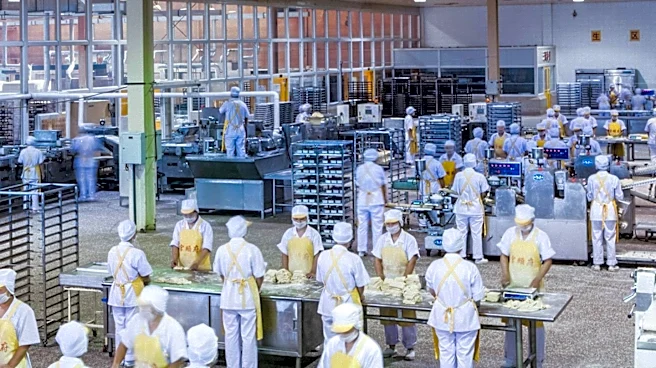
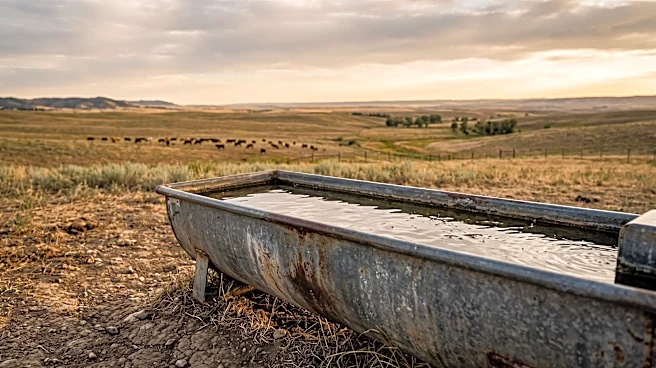
addresses two primary challenges faced by cattle producers: limited meat processing options and the costs associated with maintaining productive grazing land. Vice President JD Vance also shared in these announcements. With the U.S. cattle herd at historically low levels, this funding is part of a broader federal initiative to support ranchers, enhance grazing conditions, and increase meat processing capacity. Specifically, $57.4 million will fund 147 independent meat processing grants through the Meat and Poultry Processing Expansion Program, aiming to increase processing capacity and provide more options for producers. The remaining $325 million will support conservation projects via the USDA’s Regional Conservation Partnership Program, focusing on improvements like remote livestock watering systems, fencing, and grazing management practices.
Why It's Important?
This substantial investment is critical for the U.S. beef industry, which has been grappling with high production costs, tight cattle supplies, and uncertainty in herd rebuilding. The funding directly targets bottlenecks in the supply chain and operational efficiencies that have long impacted smaller producers. Limited processing options have forced ranchers to contend with longer transportation distances, scheduling delays, and increased costs, severely affecting their profitability. By expanding independent processing facilities, the USDA aims to create more competitive markets and reduce the reliance on a few large processors. Furthermore, improving grazing land and infrastructure through conservation projects will offer real financial benefits to ranchers by maintaining pasture productivity, increasing low-cost forage options, and reducing the need for supplemental feed, thereby enhancing the sustainability and economic viability of cattle operations.
What's Next?
The success of these investments will hinge on how effectively the funded projects translate into tangible benefits for American cattle producers, such as lower costs, improved market access, and increased profitability. While the funding will not immediately increase cattle numbers or resolve all industry challenges, it addresses crucial barriers to growth. Independent processors will need time to scale up and become more efficient, despite the financial assistance. Ranchers will begin implementing conservation projects, which are expected to yield long-term benefits in land management and operational efficiency. The USDA will likely monitor the progress of these programs to assess their impact on the beef industry's resilience and capacity. Continued federal support and strategic partnerships will be essential to sustain the momentum generated by this investment and ensure the long-term health of the U.S. beef sector.
Beyond the Headlines
This federal intervention highlights the strategic importance of the beef industry to national food security and rural economies. The focus on independent processors and sustainable land management reflects a broader policy shift towards decentralization and environmental stewardship within agriculture. It acknowledges that a resilient food system requires diverse processing options and ecologically sound practices. The investment also underscores the economic vulnerability of smaller agricultural operations and the government's role in fostering a more equitable and competitive market landscape. This initiative could inspire similar programs in other agricultural sectors facing consolidation and environmental pressures, promoting a more diversified and sustainable approach to food production across the nation. It also brings to light the ongoing debate about the balance between large-scale industrial agriculture and the support for smaller, independent producers.