







What's Happening?
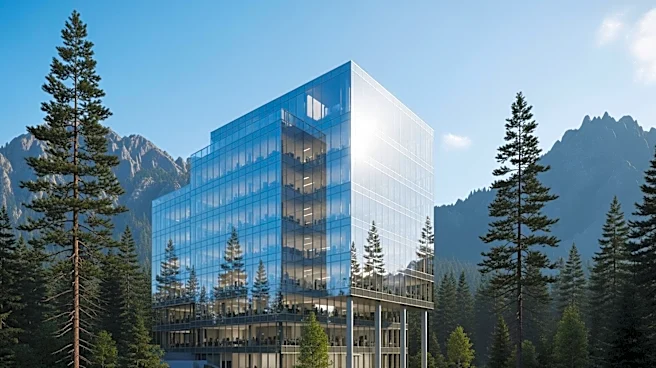
The U.S. Forest Service is relocating its headquarters to Salt Lake City, a move that has been met with approval from Utah Republicans. This decision is seen as a significant win for public lands management, as it will bring federal officials closer to the
forest communities they oversee. Representative Blake Moore, R-Utah, highlighted the benefits of the move, noting that it will bring hundreds of jobs to Utah and enhance the agency's responsiveness to local issues such as wildfire and land management. Governor Spencer Cox also praised the decision, emphasizing that with nearly 90% of Forest Service lands located west of the Mississippi, the relocation will place leadership closer to the lands and communities they manage. However, there are concerns that the move could lead to a downsizing of the agency's workforce, similar to what occurred when the Bureau of Land Management was relocated during President Trump's first term.
Why It's Important?
The relocation of the U.S. Forest Service headquarters to Salt Lake City is significant for several reasons. It is expected to create economic opportunities in Utah by bringing hundreds of jobs to the state. Additionally, the move is intended to improve the agency's effectiveness by situating its leadership closer to the lands they manage, potentially leading to more informed and responsive decision-making. This could enhance collaboration with local communities and improve management of public lands, which is crucial given the increasing challenges posed by wildfires and other environmental issues. However, the potential downsizing of the workforce raises concerns about the agency's capacity to fulfill its mission effectively.
What's Next?
As the relocation process unfolds, it will be important to monitor how the U.S. Forest Service adapts to its new location and whether the anticipated benefits of improved responsiveness and collaboration are realized. Stakeholders, including local communities and environmental groups, will likely be watching closely to ensure that the agency maintains its capacity to manage public lands effectively. Additionally, the impact on the agency's workforce will need to be addressed to prevent a loss of expertise and ensure continuity in its operations.