



What's Happening?
Aaron Ford, the Democratic nominee for Nevada governor, has announced a new policy platform pledging to pause new tax breaks for data centers if elected. This proposal marks a significant shift from his previous stance, which was largely similar to that
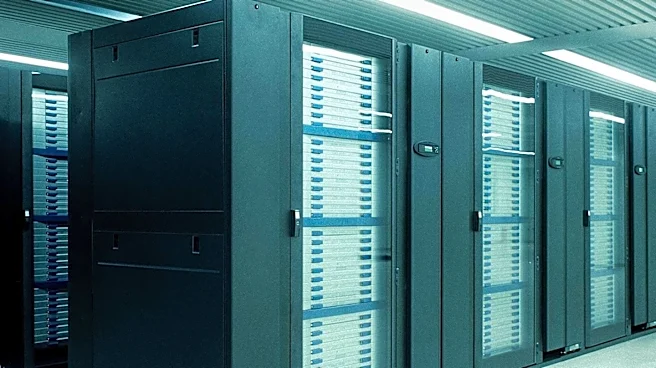
of current Governor Joe Lombardo, who supports data center developments but aims to prevent increased utility costs for Nevadans. Ford's plan includes a systematic review of the economic impact of existing tax break programs, a statewide ban on evaporative cooling for data centers, and increased transparency by requiring the Governor's Office of Economic Development (GOED) to publicly post audits on whether abated companies have met their economic output and tax revenue promises. Nevada has previously granted tax breaks totaling an estimated $461 million to 14 data centers, with a promise of 313 permanent jobs. Ford's campaign released this platform exclusively to The Nevada Independent.
Why It's Important?
This policy proposal by Aaron Ford introduces a critical divergence in the gubernatorial race regarding economic development and corporate incentives in Nevada. The state's reliance on data centers, with 76 planned or constructed facilities, makes this a significant issue for the local economy and energy infrastructure. Ford's pledge to pause tax breaks and conduct audits could impact future data center investments in Nevada, potentially altering the state's economic growth trajectory and job creation in the tech sector. The debate also highlights concerns about the transparency and effectiveness of existing tax incentive programs, particularly regarding whether companies receiving abatements are fulfilling their commitments. For Nevadan residents, the discussion around data centers and utility costs is directly relevant to their household expenses and the state's environmental policies, especially the proposed ban on evaporative cooling.
What's Next?
If elected, Aaron Ford would seek to implement his proposed pause on new data center tax breaks and initiate a comprehensive audit of existing incentives. This process could involve legislative action, as the governor does not have unilateral authority to reject abatement applications, which currently rests with the GOED board. Ford has indicated he would use the 'bully pulpit' of the governor's office to make his intentions known and, if necessary, seek additional authorization from the Legislature to expand audits. The current dispute over Clark County's short-term rental licensing system, which is undergoing an appeal, suggests that implementing new regulations or pausing existing incentives could face legal challenges. The outcome of the gubernatorial election will determine the future direction of Nevada's policy on data center tax breaks and potentially influence the state's economic development strategy.
Beyond the Headlines
The debate over data center tax breaks in Nevada touches upon broader themes of corporate accountability, environmental sustainability, and the role of government in economic development. The significant financial incentives offered to data centers raise questions about whether these benefits truly translate into promised economic output and job creation for the state. The proposed ban on evaporative cooling highlights growing concerns about water usage in arid regions, particularly as climate change exacerbates water scarcity. Furthermore, the influence of campaign contributions, such as the $1 million received by a PAC tied to Governor Lombardo's campaign from a data center company founder's wife, underscores the complex interplay between political funding and policy decisions. This situation reflects a national conversation about balancing economic growth with environmental protection and ensuring that corporate tax breaks serve the public interest.