







What's Happening?
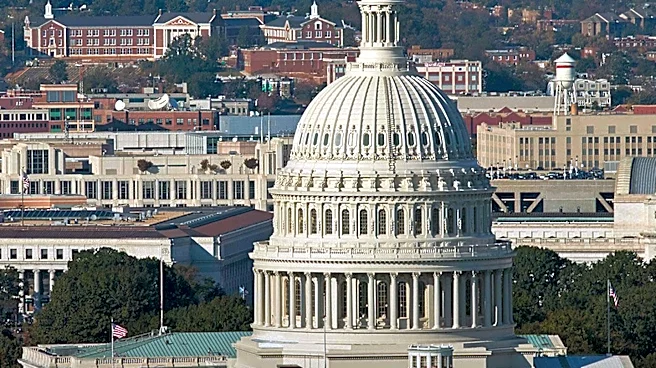
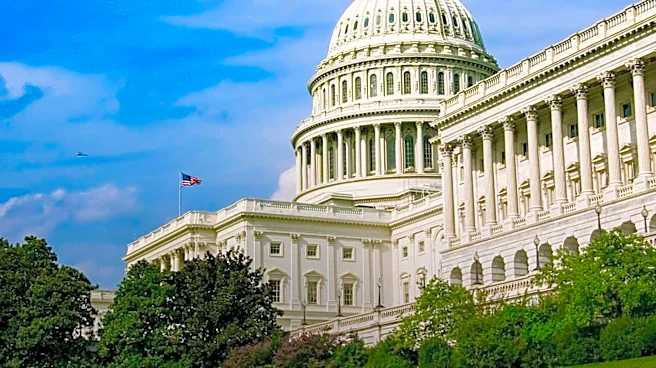
A federal appeals court has upheld the convictions of Peter Navarro, a former White House adviser, for contempt of Congress. Navarro was convicted for failing to comply with a subpoena from the House committee investigating the January 6, 2021, attack
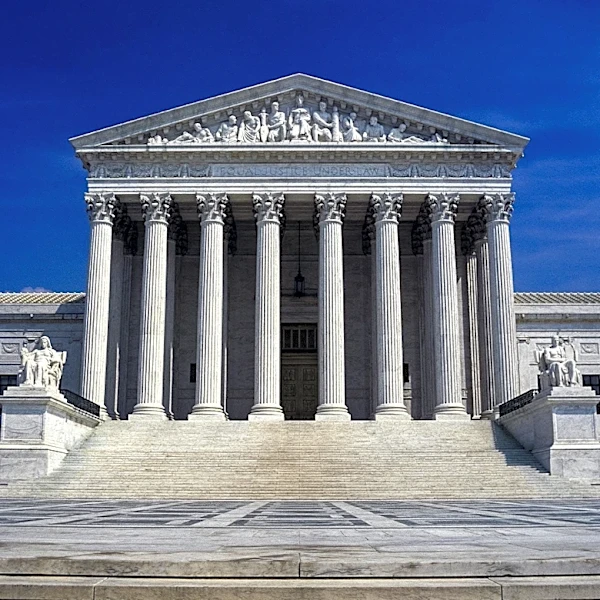
on the U.S. Capitol. The court ruled that Navarro could not prove that President Trump had invoked executive privilege to shield him from the subpoena's requirements. Despite Navarro's claims, the court found no evidence that executive privilege was invoked, leading to his conviction. Navarro, who served as a trade adviser during Trump's first term, was sentenced to four months in prison, which he has already served. The ruling was made by a three-judge panel from the U.S. Court of Appeals for the District of Columbia Circuit, which included judges nominated by Presidents Obama and Biden.
Why It's Important?
This ruling has significant implications for the concept of executive privilege and its limits. By upholding Navarro's conviction, the court has reinforced the idea that executive privilege cannot be used as a blanket defense against congressional subpoenas. This decision could affect future interactions between Congress and presidential advisers, potentially limiting the ability of future administrations to shield advisers from congressional inquiries. The case also highlights ongoing legal battles stemming from the January 6 investigation and underscores the judiciary's role in interpreting the boundaries of executive power. Navarro's case serves as a precedent for how similar claims might be handled in the future, impacting both current and former presidential advisers.
What's Next?
Navarro's legal team has indicated plans to continue appealing the decision, arguing that the case affects all senior presidential advisers who believe they cannot comply with congressional subpoenas due to executive privilege. This ongoing legal battle could lead to further clarifications on the scope of executive privilege. Additionally, the decision may prompt Congress to pursue more aggressive oversight of executive branch officials, knowing that claims of executive privilege may not always be upheld. The outcome of Navarro's continued appeals could influence how future administrations handle congressional investigations and the invocation of executive privilege.