






What's Happening?
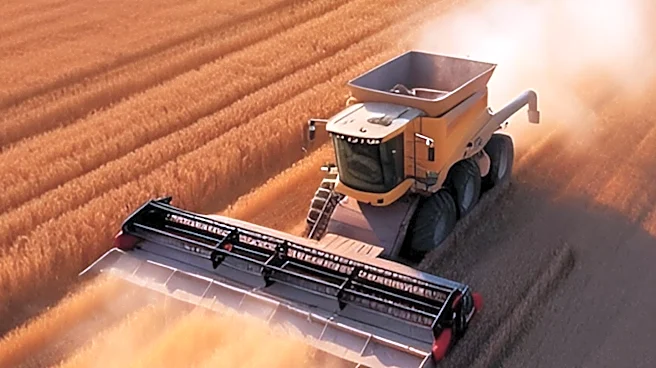
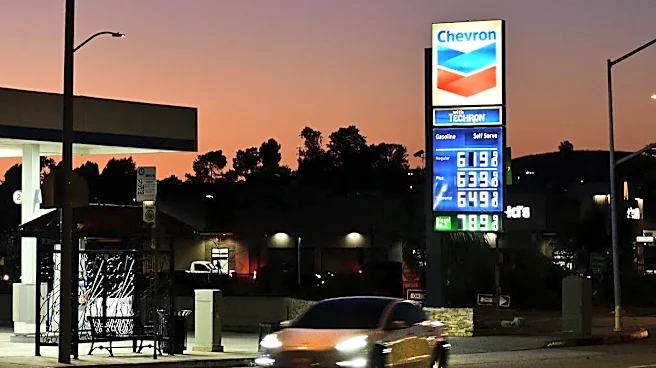
Colorado's agricultural sector is facing significant pressure due to soaring diesel prices, which have reached over $6.40 per gallon. This increase is impacting farmers during the critical silage harvest season, where heavy machinery like choppers, trucks,
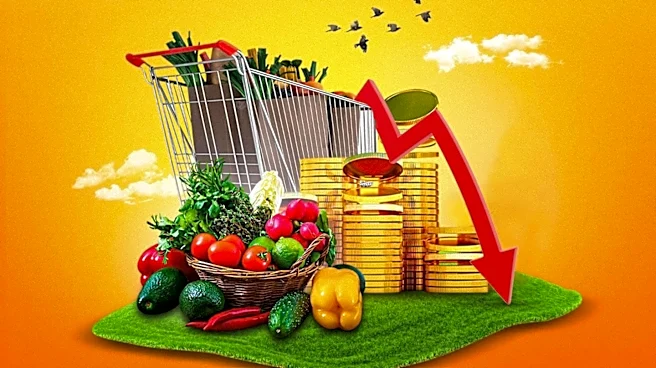
and pack tractors are heavily reliant on diesel fuel. According to Jed Sidwell at Ag Bull Media, an average combine will incur an additional $7,500 in fuel costs compared to the previous year. For larger silage operations involving multiple choppers and numerous trucks, the additional fuel expenditure can quickly escalate to $500,000. This financial strain is compounded by a challenging moisture year, leading to lower crop yields, meaning producers are spending more to harvest less. The issue extends beyond agriculture, affecting the entire U.S. trucking industry, which is crucial for transporting agricultural products from farms to grocery stores.
Why It's Important?
The elevated diesel prices pose a substantial threat to the profitability and sustainability of Colorado's agricultural businesses. Farmers are experiencing a double blow of increased operational costs and reduced yields, making it difficult to maintain their livelihoods. This situation has broader economic implications, as the trucking industry, which underpins the supply chain for nearly all goods, is also heavily impacted. The rising cost of transportation directly contributes to higher consumer prices for food and other products, exacerbating inflationary pressures. The article highlights that fuel costs represent approximately one-third of food prices, indicating that a doubling of diesel prices creates a significant structural upset for American businesses and families. The lack of sufficient oil refineries and a permanent increase in the floor price at the pump are identified as contributing factors, suggesting a systemic issue that goes beyond immediate market fluctuations.
What's Next?
The immediate future for Colorado agriculture will likely involve continued financial strain for producers as long as diesel prices remain high. Farmers may need to explore strategies to mitigate fuel costs, such as optimizing routes, investing in more fuel-efficient machinery, or seeking government assistance if available. The broader economic impact suggests that consumers will continue to face higher prices for goods, particularly food, as transportation costs are passed down the supply chain. The article implies that a quick resolution is unlikely, as the crisis is attributed to complex factors including global unrest, refinery capacity, and market dynamics. While a presidential action to outlaw diesel exports might be considered to lower pump prices, the article suggests it would not magically restore normalcy and could have negative international consequences, such as starving developing countries and causing market disruptions.
Beyond the Headlines
The ongoing diesel price crisis reveals deeper vulnerabilities within the U.S. economic infrastructure and its reliance on fossil fuels. The article touches upon the long-standing issue of refinery capacity, noting that many U.S. oil refineries were shuttered in 2020 and are now operating at near maximum capacity without incentive to expand. This highlights a lack of strategic foresight and investment in critical infrastructure. Furthermore, the comparison to the meat processing sector, where processors are posting record profits while feeders lose money, points to potential imbalances of power within supply chains. The situation also underscores the tension between market deregulation and the need for government intervention to protect essential sectors like agriculture and ensure consumer affordability. The author's perspective, rooted in a background in the oil and gas business, emphasizes that global instability and overregulation are detrimental to the economy, suggesting a need for a balanced approach to energy policy that considers both market forces and national security.