






What's Happening?
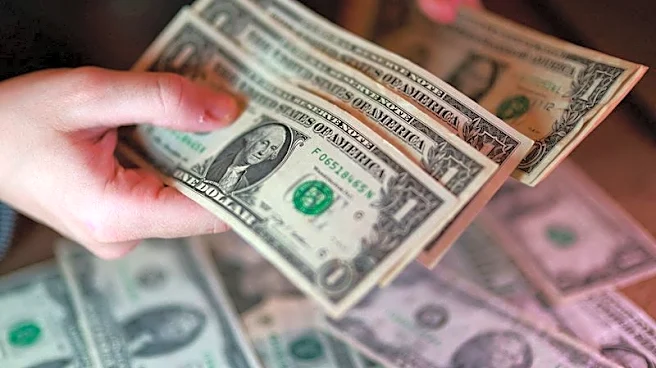
The U.S. inflation rate has reached its highest level in three years, driven by rising energy prices due to the conflict with Iran. The personal consumption expenditures (PCE) price index increased by 3.8% year-on-year in April, marking the largest rise
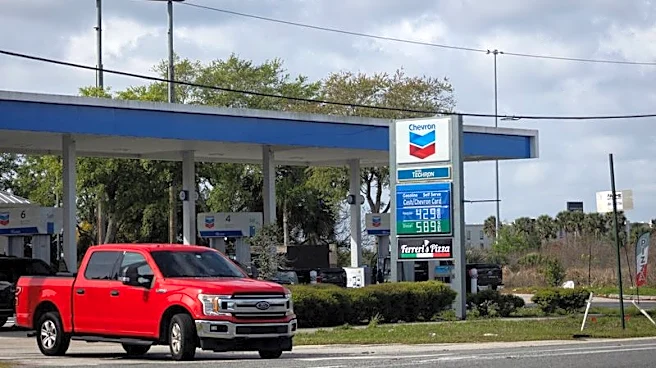
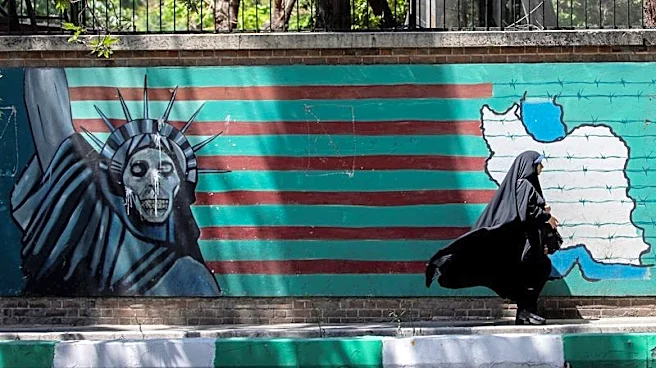
since May 2023. The conflict has disrupted shipping in the Strait of Hormuz, leading to higher energy costs and supply chain issues. President Trump's administration faces growing public dissatisfaction over economic management, with inflation threatening the Republican Party's congressional majority in the upcoming midterm elections.
Why It's Important?
The surge in inflation poses significant challenges for the U.S. economy, affecting consumer purchasing power and potentially slowing economic growth. The Federal Reserve may need to reconsider its interest rate policy to address inflationary pressures, impacting borrowing costs for businesses and consumers. Rising prices could also influence voter sentiment in the midterm elections, affecting political dynamics and policy decisions. The situation underscores the interconnectedness of global events and domestic economic conditions.
What's Next?
The Federal Reserve will likely continue to monitor inflation trends and economic indicators closely, with potential adjustments to interest rates on the horizon. Policymakers will need to balance controlling inflation with supporting economic growth. The outcome of the midterm elections could also influence future economic policies, depending on the political landscape. Businesses and consumers may need to adapt to ongoing economic uncertainties.