


What's Happening?
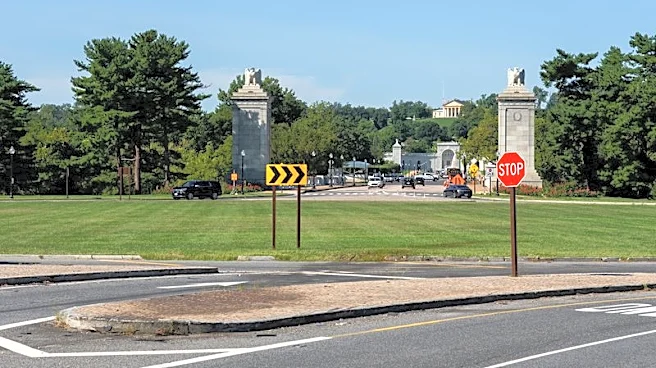
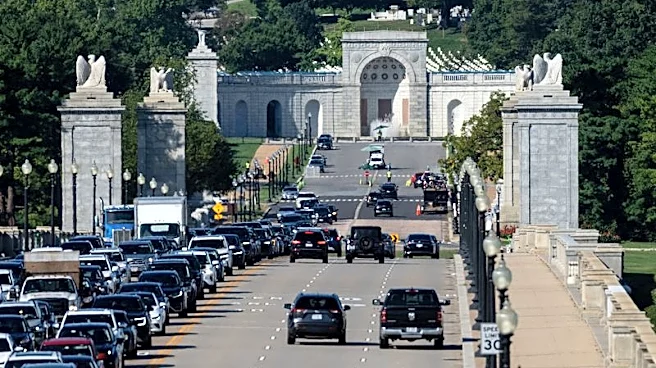
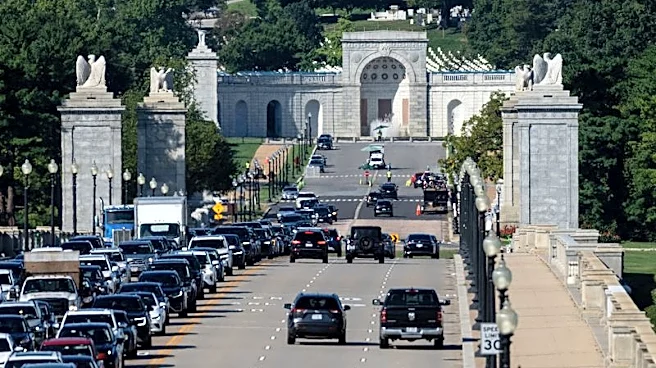
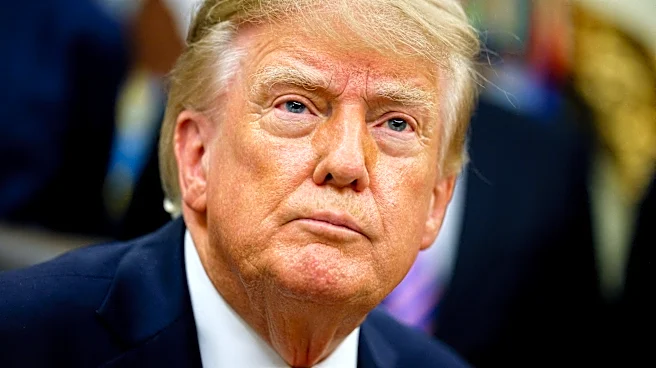
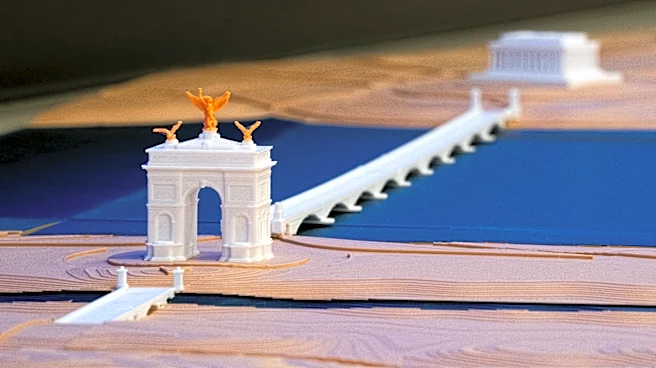
President Trump announced that his proposed D.C. arch, initially conceived as a tribute to the United States' 250th anniversary and a tourist attraction, will now serve as a 'top grade Military Complex.' This 250-foot structure is intended to house and store
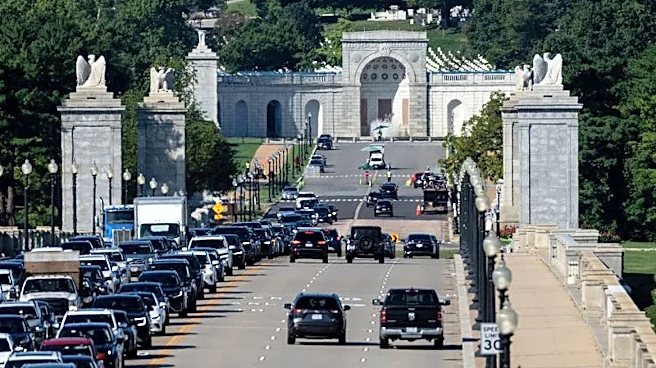
drones, provide sniper positions on its roof and plaza, and store ammunition. This abrupt shift in purpose has drawn significant criticism from historic preservation advocates and lawmakers. The National Park Service had previously sought feedback on a 'Memorandum of Agreement' for the arch's original design, which preservation groups now deem 'dead on arrival' due to the new military designation. The Federal Aviation Administration (FAA) had just concluded a month-long evaluation stating the arch would not pose a risk to airspace, but this assessment did not account for military drones, rendering it potentially obsolete. A group of five Democratic and one Independent lawmaker has written to Interior Secretary Doug Burgum, demanding a halt to the project, citing legality concerns and negative impacts on nearby historic sites like Arlington National Cemetery.
Why It's Important?
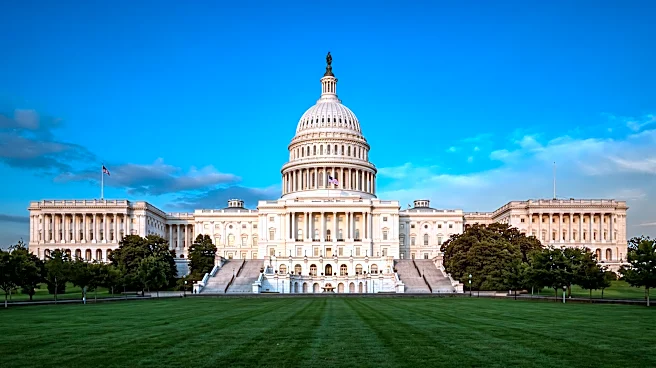
The transformation of the proposed D.C. arch into a military complex carries significant implications for urban planning, historic preservation, and national security policy. The sudden change in the project's scope raises questions about the transparency and integrity of the approval process for major public works. Historic preservation groups are concerned about the precedent this sets for altering the character of the nation's capital and the potential for increased security measures, such as fencing, to impact the public accessibility and aesthetic of a prominent landmark. Furthermore, the introduction of military operations, including drones and snipers, in a densely populated area and directly in the flight path of a major airport, presents new safety and logistical challenges that were not part of initial assessments. The legal challenges and the pushback from lawmakers highlight a broader debate over executive authority in urban development and the balance between national security claims and established regulatory procedures.
What's Next?
The immediate next steps for the D.C. arch project are unclear, as the proposed military designation necessitates a re-evaluation of its environmental and historical impacts. Preservation groups anticipate that new proposals for review will be required, particularly concerning the additional security measures and operational aspects of a fortified military site. The White House, Interior Department, and National Park Service have not yet responded to inquiries regarding these new proposals. The FAA's previous airspace safety review will likely need to be redone to account for military drones, as noted by U.S. Rep. Don Beyer. The ongoing lawsuit, filed by Vietnam War veterans challenging the project's lack of Congressional approval, will also be impacted by this new development, with legal experts like Nicolas Sansone of Public Citizen Litigation Group asserting that the military justification does not cure its fundamental illegality. Lawmakers are actively pushing for the administration to cease work on the arch, indicating continued political scrutiny.
Beyond the Headlines
The controversy surrounding President Trump's D.C. arch extends beyond its immediate practicalities, touching upon deeper ethical and political dimensions. The President's initial statement that the arch was being built to honor 'me,' followed by the administration's characterization as a tribute to the U.S. 250th anniversary, and now its designation as a military complex, suggests a shifting narrative that raises questions about the true motivations behind the project. Critics, including Harold Hongju Koh, a former State Department legal advisor, view the national security justification as 'laughable and pretextual,' suggesting it might be a tactic to bolster the project's legal standing. This situation highlights a recurring pattern where national security arguments are invoked to push through controversial projects, potentially bypassing standard regulatory and public review processes. The debate also underscores the tension between presidential legacy projects and the established norms of urban development and historic preservation in the nation's capital.