
What's Happening?
A letter to the editor highlights the potential dangers of self-certification in construction, particularly in the context of rebuilding efforts following wildfires. The letter recounts a personal experience
from 1985, where a homeowner discovered a hazardous, unfilled sewage sump in their backyard, which had been improperly self-certified as filled decades earlier. This incident underscores the risks associated with relying on self-certification for complex construction tasks. The letter draws attention to recent promises by Trump officials to expedite permits for fire rebuilding, suggesting that such measures could lead to similar oversights if not carefully managed.
Why It's Important?
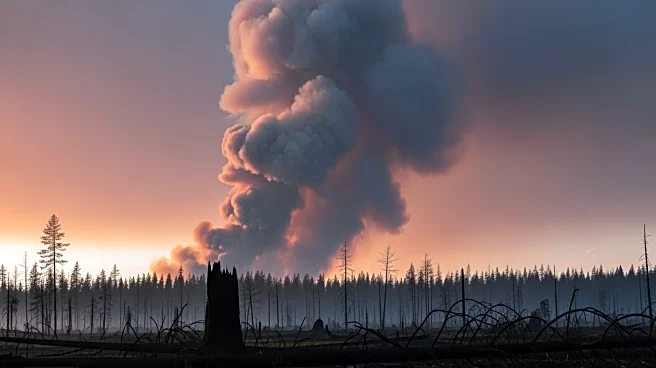
The issue of self-certification in construction is significant as it raises questions about safety and accountability in the rebuilding process, especially in areas affected by natural disasters like wildfires. The push to speed up rebuilding efforts can lead to shortcuts that compromise safety standards. This is particularly relevant in the U.S., where wildfires have caused extensive damage, necessitating rapid reconstruction. The potential for similar oversights in the future could pose risks to homeowners and communities, highlighting the need for stringent oversight and regulation in construction practices.
What's Next?
As rebuilding efforts continue, particularly in wildfire-affected areas, there may be increased scrutiny on the processes and standards used in construction. Stakeholders, including government agencies and construction companies, might need to reassess the balance between speed and safety in rebuilding efforts. There could be calls for more rigorous inspection and certification processes to prevent future incidents similar to the one described in the letter. Additionally, public awareness and advocacy for safer construction practices may grow, influencing policy and regulatory changes.