




What's Happening?
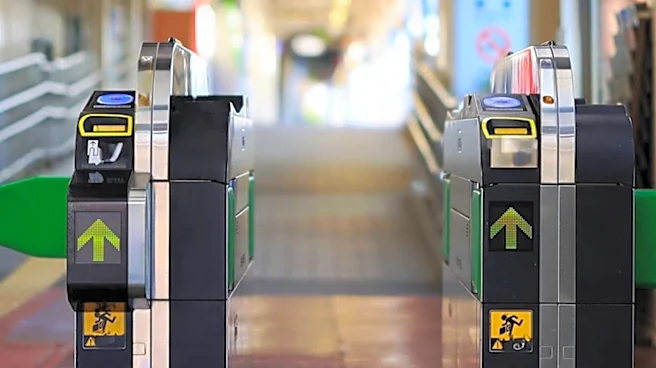
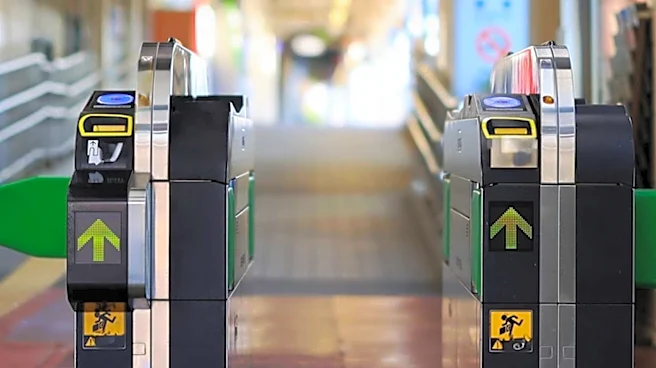
Sound Transit's board has approved the installation of fare gates at up to 14 Link light rail stations, with a target completion date between 2029 and 2030. This four-year timeline for implementing turnstiles has drawn significant criticism, particularly
given that an estimated 63% of Link riders currently do not pay fares. The agency projects that these fare gates could generate up to $82.7 million annually in net fare revenue and recover their capital and operating costs within two to three years. Despite the clear financial benefits and the urgency of addressing a $34.5 billion shortfall in the ST3 program, Sound Transit's process involves an initial 16-month period for staff to develop a 'Fare Gate Pilot Evaluation Framework' before procurement and public engagement strategies even begin. Critics highlight that other major U.S. cities like Los Angeles, Philadelphia, and San Francisco have implemented similar systems much faster, and New York has had turnstiles for decades, suggesting that Sound Transit's timeline is excessively long.
Why It's Important?
This extended timeline for fare gate installation has significant implications for Sound Transit's financial stability and public trust. The agency is currently facing a substantial $34.5 billion shortfall in its ST3 program, and the projected $82.7 million in annual fare revenue from the gates represents a crucial income stream. Delaying this implementation means foregoing tens of millions of dollars in potential revenue each year, which directly impacts the agency's ability to fund operations and future projects. Furthermore, the perception of a slow and inefficient bureaucracy could erode public confidence, especially among taxpayers who are already funding the transit system. The issue also touches on equity, as the current system disproportionately burdens paying riders who effectively subsidize those who do not pay. The delay in implementing a basic revenue collection mechanism suggests a deeper systemic issue within Sound Transit regarding project management and responsiveness to financial challenges.
What's Next?
Sound Transit's immediate next step is to spend the next 16 months, until the end of 2027, developing a 'Fare Gate Pilot Evaluation Framework' for board approval. Following this, the agency will proceed with the contracting process for manufacturing, delivery, and installation of the gates, along with public engagement strategies. Given the current timeline, the earliest the fare gates are expected to be operational is 2029 or 2030. However, critics anticipate further delays and increased costs, suggesting that the actual completion could be as late as 2035 with a doubled price tag. Major stakeholders, including political leaders and civil society groups, are likely to continue scrutinizing Sound Transit's progress and financial management, especially as the agency attempts to address its significant budget shortfalls and regain public trust.
Beyond the Headlines
The controversy surrounding Sound Transit's fare gate installation extends beyond mere project delays and financial implications, touching upon historical policy decisions and the agency's operational philosophy. The absence of fare gates in Link light rail stations was partly due to the agency's previous stance on fare enforcement, which was softened in 2018 amid concerns about racial discrimination. This led to the replacement of fare enforcement officers with 'fare ambassadors' who lacked citation authority. The current CEO, Dow Constantine, who chaired the Sound Transit board when the 2018 policy was enacted, is now overseeing the reversal of that policy. This shift highlights a broader societal debate about balancing accessibility, equity, and financial accountability in public services. The prolonged timeline for a seemingly straightforward infrastructure project also raises questions about the efficacy of large public agencies in adapting to changing needs and implementing solutions efficiently, potentially setting a precedent for how future public works projects are perceived and managed.