




What's Happening?
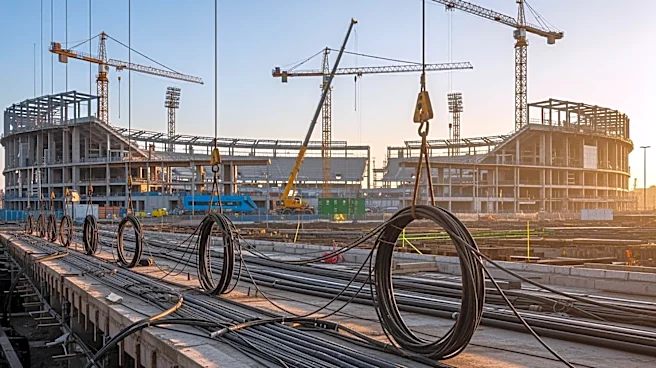
Developers have begun demolishing parts of Aloha Stadium in Hawaii to pave the way for a new $650 million development project. This ambitious plan includes the construction of 4,500 homes, 125,000 square feet of retail space, and up to 900 hotel rooms,
along with park space, museums, and a school. However, the project is encountering significant challenges due to the need to relocate approximately 100 utility lines that run beneath the stadium's surface parking lot. These lines include a crucial water supply line for downtown Honolulu and a sewer line connecting to Pearl Harbor. The relocation of these utilities is essential for the development to proceed, and it requires innovative solutions to manage the associated costs.
Why It's Important?
The redevelopment of Aloha Stadium is a major infrastructure project that promises to transform the area into a vibrant community hub. The successful relocation of utility lines is critical to the project's progress and its potential to boost the local economy. The development is expected to create new housing, retail, and hospitality opportunities, which could significantly impact the region's economic landscape. Additionally, the project highlights the need for creative financing solutions, such as tax increment financing (TIF), to support large-scale public works. The outcome of this project could set a precedent for future developments in Hawaii and influence legislative decisions regarding infrastructure financing.
What's Next?
As the project progresses, developers and local authorities will need to address the logistical and financial challenges of relocating the utility lines. The Hawaii Legislature is considering two bills that would allow the creation of a TIF fund, which could provide a viable financing mechanism for the infrastructure needs of the Aloha Stadium redevelopment. The outcome of these legislative efforts will be crucial in determining the project's feasibility and timeline. Stakeholders, including developers, local government, and the community, will be closely monitoring the situation to ensure that the project moves forward smoothly and benefits the region as intended.