







What's Happening?
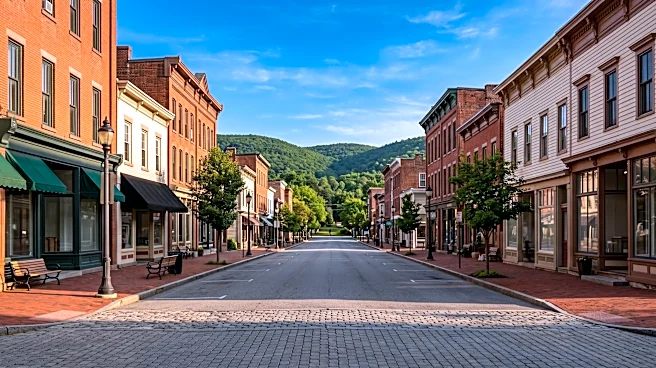
The village of Cold Spring in Putnam County, New York, a popular tourist destination in the Hudson Valley, experienced significant challenges due to overtourism during the recent Labor Day weekend. Mayor Kathleen Foley reported that the village was 'crushed
by overtourism,' with an overwhelming influx of visitors arriving by train and car. This led to heavy pedestrian traffic, severe vehicle congestion, instances of vandalism, and hikers trespassing on private property, making the experience unpleasant for local residents. Village eateries faced long queues and even ran out of food. Additionally, there were issues with emergency response, as New York State Parks Police radios were incompatible with the Putnam County 911 Center during two mountain rescues. The mayor also expressed frustration over overflowing trash cans due to a missed holiday pickup by Royal Carting, exacerbating the unsanitary conditions.
Why It's Important?
The situation in Cold Spring highlights a critical issue facing many popular U.S. tourist destinations: the struggle to balance economic benefits from tourism with the quality of life for local residents and the preservation of community resources. Overtourism can strain local infrastructure, lead to environmental degradation, and create significant social friction between visitors and residents. For Cold Spring, the problems extend to public safety, with communication breakdowns during emergency rescues, and basic sanitation, as evidenced by the uncollected garbage. This scenario underscores the need for effective tourism management strategies that go beyond mere promotion, focusing instead on sustainable practices, infrastructure development, and inter-agency coordination. Without such measures, the very charm that attracts visitors can be eroded, potentially leading to a decline in tourism appeal and a diminished living experience for permanent residents.
What's Next?
Mayor Foley has indicated that the village cannot continue to bear the costs of tourism alone, suggesting a need for external support and policy changes. Immediate next steps will likely involve improving communication protocols between local emergency services and state agencies, such as the New York State Parks Police, to ensure timely responses to incidents. The village may also explore strategies to manage visitor flow, potentially through public transportation improvements, parking restrictions, or even reservation systems for popular attractions. Discussions with waste management services will be crucial to prevent future sanitation issues during peak times. Longer-term solutions could include developing regional tourism plans that distribute visitors more evenly across the Hudson Valley, investing in infrastructure upgrades to handle increased demand, and implementing educational campaigns for tourists on responsible visitation. The village will likely seek collaboration with county and state authorities to address these multifaceted challenges.
Beyond the Headlines
The challenges faced by Cold Spring are indicative of a broader national conversation about the sustainability of tourism in beloved natural and historic areas. This situation raises questions about the economic models of tourism that often prioritize visitor numbers over community well-being. It also highlights the digital divide in emergency services, where incompatible communication systems can have serious consequences. The issue of overtourism in Cold Spring could serve as a case study for other U.S. towns grappling with similar pressures, prompting them to proactively develop comprehensive management plans. Furthermore, it underscores the importance of local governance in advocating for community needs against the backdrop of regional economic drivers. The incident also brings to light the ethical responsibility of tourists to respect local environments and communities, moving beyond a purely consumerist approach to travel.