


What's Happening?
Oxfam International has reported that the aid flow into Gaza is significantly below the levels agreed upon in the U.S.-brokered ceasefire between Israel and Hamas. According to the ceasefire terms, Israel was to allow 600 trucks of aid into Gaza daily.
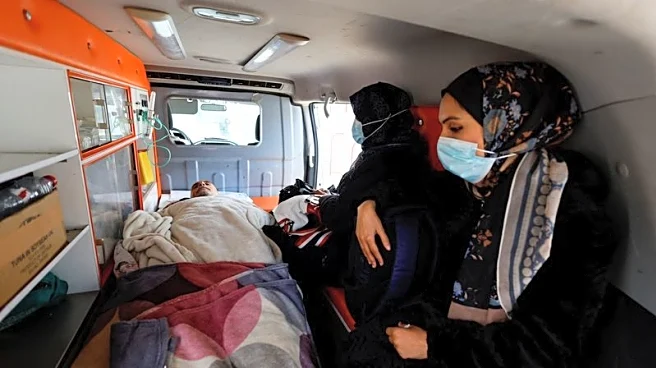
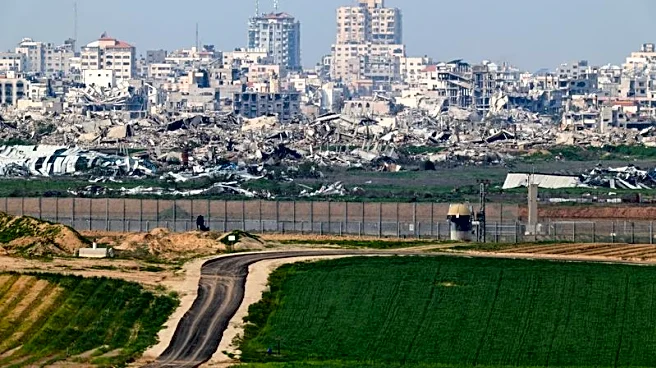
However, an analysis of figures from COGAT, the Israeli military body responsible for coordinating aid entry, shows that only an average of 459 trucks per day have entered Gaza since the ceasefire began. This shortfall has resulted in only 25,700 trucks entering Gaza, far below the 33,600 trucks required by the ceasefire terms. The United Nations and other aid groups have also reported that the actual number of aid trucks is even lower, with the U.N. stating that only 6,545 trucks have been offloaded at Gaza crossings. The humanitarian situation in Gaza remains dire, with food scarcity and inadequate shelter for displaced families exacerbating the crisis.
Why It's Important?
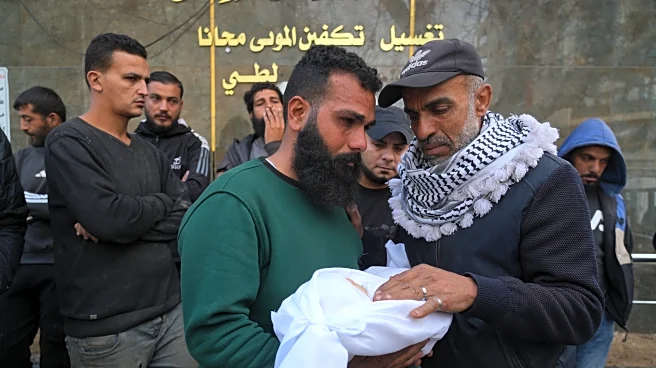
The shortfall in aid delivery to Gaza has significant humanitarian implications, affecting the lives of the territory's 2 million residents, many of whom have been displaced by conflict. The lack of sufficient aid has led to food shortages and inadequate shelter, with reports of malnourished babies being born and families exposed to harsh winter conditions. This situation underscores the challenges faced by humanitarian organizations in meeting the needs of the population amidst ongoing security and logistical obstacles. The failure to meet the ceasefire terms could also strain diplomatic relations and hinder efforts to maintain peace in the region. The ongoing humanitarian crisis in Gaza highlights the urgent need for increased international support and pressure to ensure that aid reaches those in need.
What's Next?
The situation in Gaza is likely to remain tense as international mediators work to ensure compliance with the ceasefire terms. There may be increased diplomatic efforts to pressure Israel to allow more aid into Gaza and to address the ongoing humanitarian needs. Additionally, the return of the final hostage, Ran Gvili, remains a contentious issue, with Israel demanding his remains as a condition for moving to the next phase of the ceasefire. The resolution of these issues will be critical in determining the future stability of the ceasefire and the humanitarian situation in Gaza. Continued international attention and intervention will be necessary to address the complex challenges facing the region.