

What's Happening?
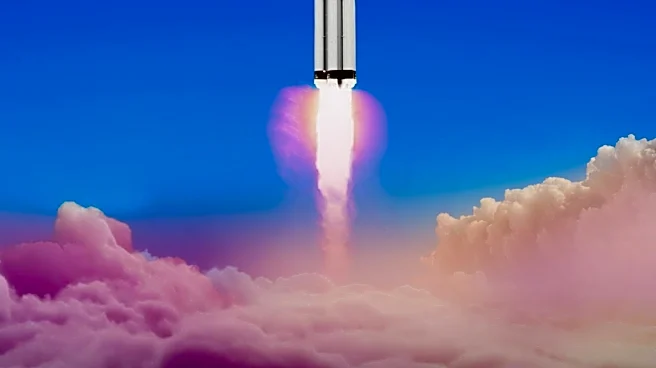
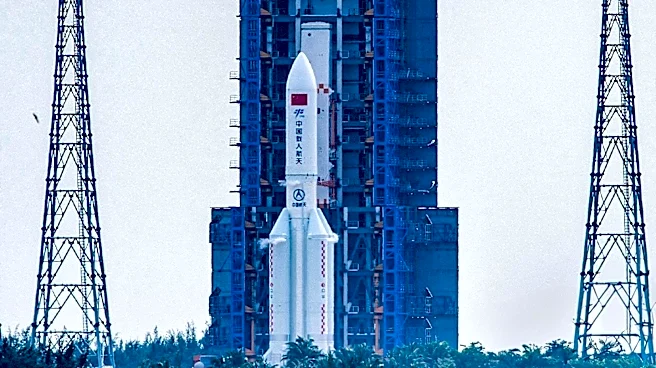
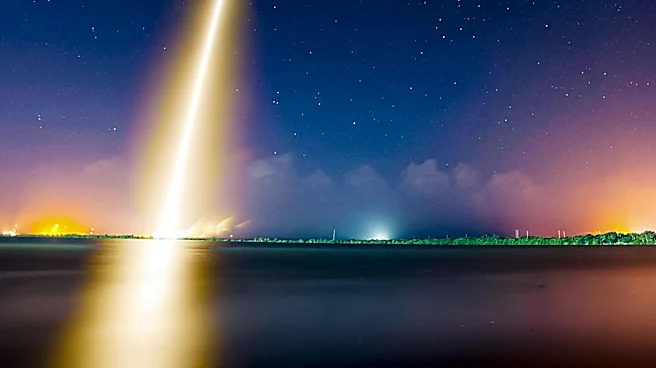
A Chinese Long March 3B rocket was struck by lightning approximately 30 seconds after its launch on July 23, 2026. Despite the electric discharge, the rocket successfully maintained its trajectory and placed the Tianlian-2 06 satellite into its planned
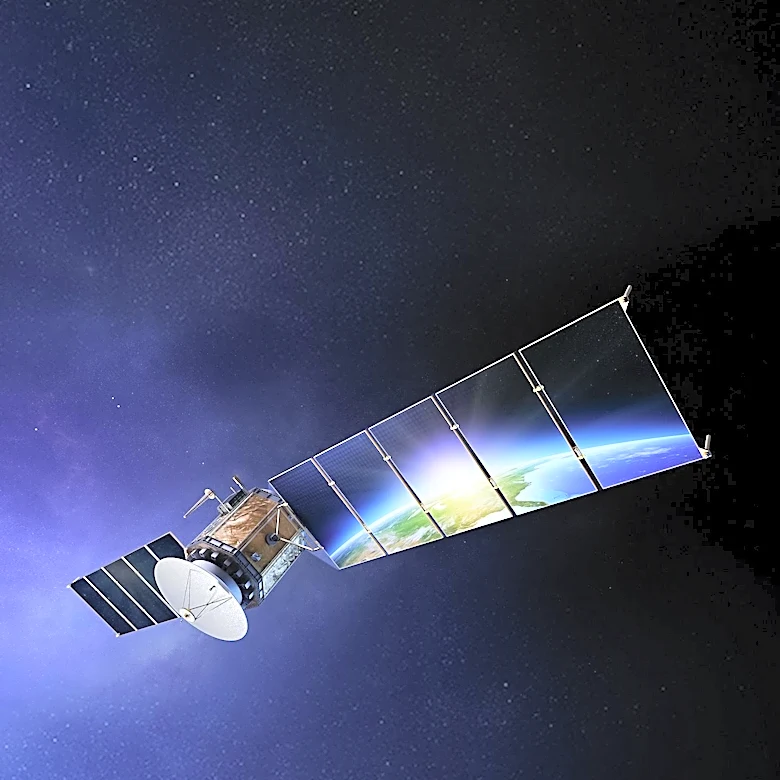
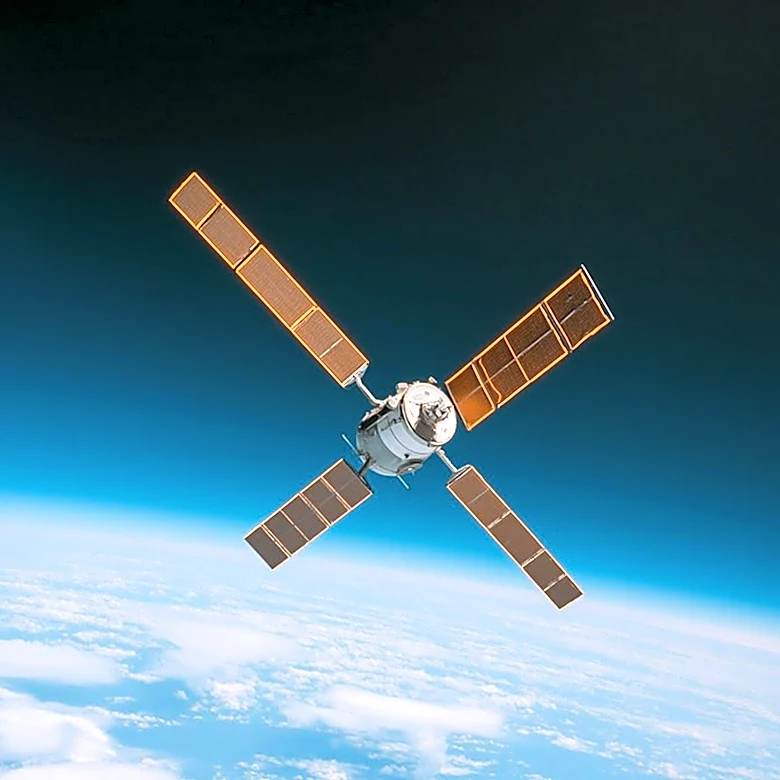
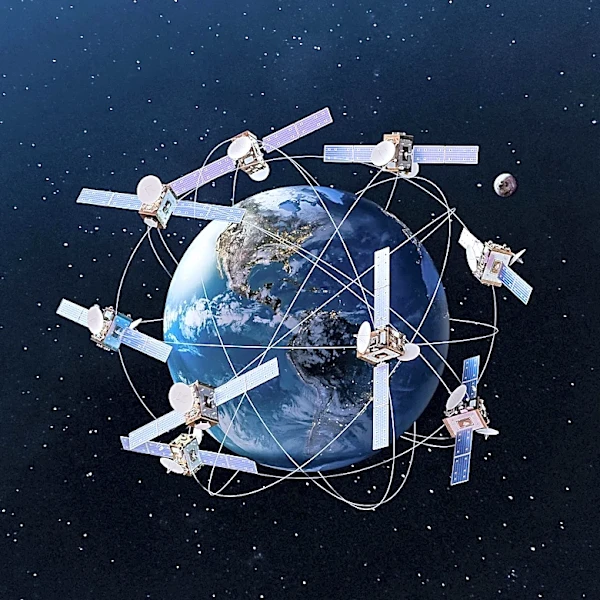
orbit. The launch occurred at the Xichang Satellite Launch Center in Sichuan province, China. The incident was captured on video, showing a strong electric discharge following the rocket's path. The China National Space Administration confirmed the successful deployment of the satellite, which is part of the second generation of Chinese data relay satellites. These satellites provide communication, tracking, and control support for various space missions.
Why It's Important?
The successful continuation of the mission despite the lightning strike highlights the robustness of the Long March 3B rocket design and the resilience of China's space program. This event underscores the importance of reliable space technology in ensuring mission success under unexpected conditions. The Tianlian-2 06 satellite plays a crucial role in supporting China's space infrastructure, enhancing communication and tracking capabilities for manned spacecraft and other satellites. The incident also draws attention to the challenges of launching rockets in adverse weather conditions, a concern for space agencies worldwide.
What's Next?
While the mission was deemed successful, the Chinese space agency may conduct further analysis to understand the interaction between the rocket and the lightning. This could lead to improvements in launch protocols and safety measures. Additionally, the event may prompt other space agencies to review their own procedures for launching in similar weather conditions. The successful deployment of the Tianlian-2 06 satellite will continue to support China's growing space ambitions, including future manned missions and satellite operations.
Beyond the Headlines
The lightning strike on the Long March 3B rocket is reminiscent of past incidents, such as the Apollo 12 mission in 1969 and a Russian Soyuz launch in 2019, both of which also continued successfully after being struck. These occurrences highlight the unpredictable nature of space launches and the need for robust engineering solutions. The event also serves as a reminder of the potential risks associated with space exploration and the continuous need for innovation in mitigating these risks.