






What's Happening?
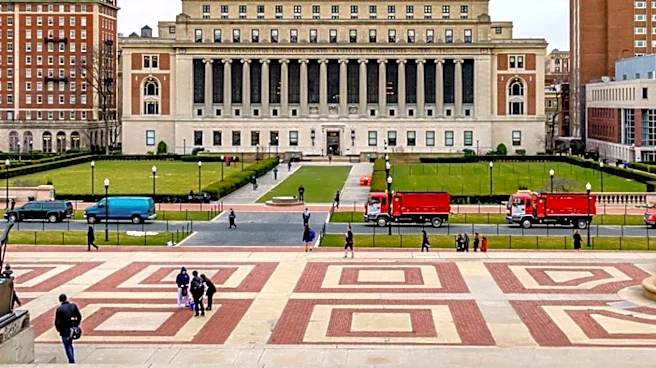
A New York judge has dismissed a defamation lawsuit filed by former Columbia University professor Mohammad Abdou against Columbia University President Minouche Shafik. Abdou sued after Shafik testified before the House Committee on Education and the Workforce
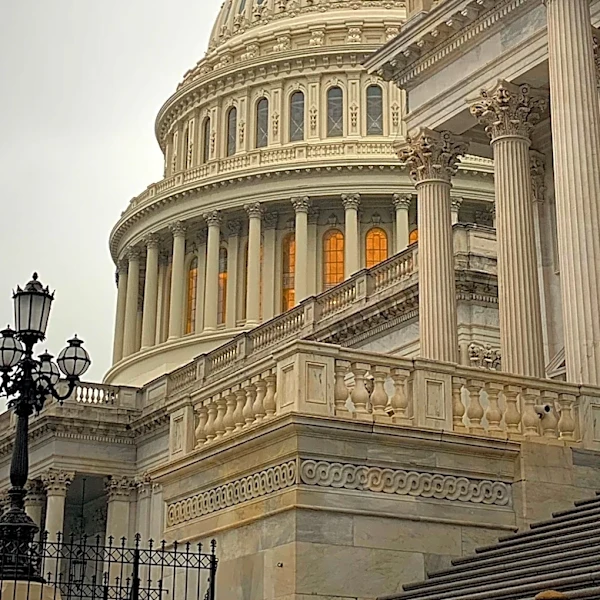
in April 2024 regarding antisemitism at Columbia. During the hearing, Representative Elise Stefanik questioned Shafik about Abdou, who had posted on social media after the October 7, 2023, Hamas-led terrorist attacks in Israel, stating he was “with Hamas and Hezbollah and Islamic Jihad.” Shafik responded by expressing her repugnance at the remarks and stated that Abdou would "never teach at Columbia again." Abdou, who taught at Columbia during the spring 2024 semester, claimed Shafik’s testimony defamed him and damaged his career. The judge ruled that Shafik’s statements were opinions made in response to Abdou’s specific social media posts, the content of which Abdou did not dispute, and therefore did not constitute defamation.
Why It's Important?
This ruling is significant as it reinforces the legal boundaries of free speech and defamation, particularly in the context of public testimony and academic employment. It suggests that university officials may have a degree of protection when making statements in response to controversial faculty remarks, especially when those remarks are publicly documented. For academic institutions, the decision could influence how they address faculty conduct and public criticism, particularly concerning sensitive geopolitical issues. It also highlights the ongoing scrutiny faced by universities regarding antisemitism and free speech on campuses, a topic that has drawn considerable attention from lawmakers and the public. The outcome could set a precedent for similar cases involving faculty members whose public statements draw institutional condemnation and lead to employment consequences.
What's Next?
The dismissal of Abdou's lawsuit means that, for now, Columbia University and President Shafik will not face further legal action from this specific claim. However, the broader debate surrounding antisemitism, free speech, and academic freedom on university campuses is likely to continue. Congressional committees may continue to hold hearings and exert pressure on universities to address these issues. Faculty members and student groups may also continue to express their views, potentially leading to further controversies and legal challenges. The case could also influence future employment contracts and conduct policies within academic institutions as they navigate the complexities of balancing free expression with institutional values and safety concerns.
Beyond the Headlines
This case delves into the complex interplay between academic freedom, institutional responsibility, and the political climate surrounding international conflicts. It raises questions about the extent to which universities can or should regulate the off-campus speech of their faculty, especially when such speech is perceived as controversial or harmful. The ruling also touches upon the ethical considerations of public officials' statements during congressional testimony and their potential impact on individuals' careers. Furthermore, it underscores the heightened sensitivity and polarization surrounding the Israeli-Palestinian conflict within academic and public spheres, demonstrating how deeply these global issues can affect local institutions and individual livelihoods. The legal outcome, while specific to defamation, contributes to the ongoing redefinition of acceptable discourse and accountability in higher education.