



What's Happening?
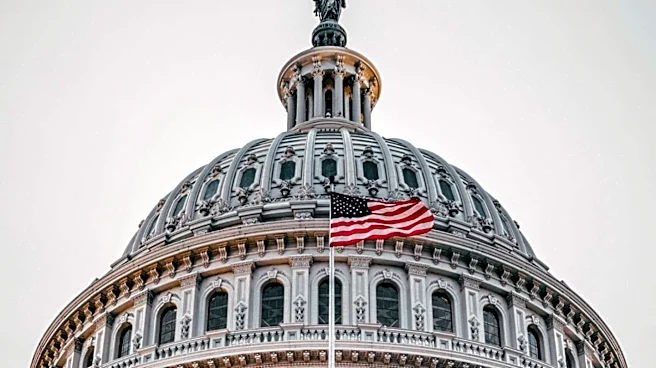
The passage of the Digital Asset Market Clarity Act, intended to establish a unified regulatory framework for cryptocurrencies in the U.S., remains stalled in Congress. The primary sticking point is President Trump's proposed 'ethics clause,' which aims
to ban government officials from significant crypto ties. Democratic lawmakers are reportedly unhappy with the language of this clause and disagree on who should enforce such restrictions among federal politicians. Democrats advocate for state attorneys general to enforce the ethics rules, while the White House insists on the U.S. attorney general in Washington, D.C. This debate follows reports that President Trump earned over $1 billion in 2025 from digital asset investments, including issuing his own meme coins and investing in several cryptocurrency ventures. His sons, Eric and Donald Trump Jr., are also involved, having co-founded World Liberty Financial, which issues the WLFI token. The proposed legislation seeks to divide regulatory oversight of cryptocurrencies like Bitcoin between the U.S. Securities and Exchange Commission (SEC) and the Commodity Futures Trading Commission (CFTC).
Why It's Important?
The stalled Crypto Clarity Act is a critical development for the U.S. cryptocurrency market, as the absence of a clear regulatory framework creates uncertainty for businesses and investors. The disagreement over the ethics clause, particularly concerning the enforcement authority, highlights deeper political divisions and concerns about potential conflicts of interest, especially given President Trump's and his family's substantial earnings from crypto ventures. This situation could undermine public trust in the legislative process and the impartiality of future crypto regulations. The lack of a unified regulatory approach also leaves the U.S. behind other nations in establishing clear guidelines for digital assets, potentially hindering innovation and investment in the sector. Furthermore, the debate over who enforces ethical restrictions on federal officials touches upon fundamental questions of federal versus state power and accountability within the government.
What's Next?
With Congress heading into its summer recess and midterm elections approaching in November, the passage of the Crypto Clarity Act this year appears increasingly doubtful. The ongoing disagreements between Democrats and the White House over the ethics clause and its enforcement will likely continue to delay any comprehensive crypto legislation. Stakeholders in the cryptocurrency industry will continue to operate under an uncertain regulatory environment, which could impact investment decisions and market stability. The debate over the Trump family's crypto earnings and the proposed ethics clause will likely remain a prominent political issue, potentially influencing public opinion and election outcomes. Future legislative efforts will need to address these ethical concerns and establish clear lines of accountability to gain bipartisan support and ensure the integrity of the U.S. crypto market.
Beyond the Headlines
The impasse over the Crypto Clarity Act and its ethics clause reflects a broader struggle to adapt traditional governance structures to the rapidly evolving digital economy. The decentralized nature of cryptocurrencies challenges existing regulatory paradigms, and the potential for significant personal financial gain by political figures in this nascent market introduces complex ethical dilemmas. This situation could lead to a re-evaluation of conflict-of-interest laws for public officials, particularly concerning new asset classes. The debate also highlights the tension between fostering innovation in the crypto space and ensuring transparency and accountability in government. The outcome of this legislative battle will not only shape the future of cryptocurrency regulation in the U.S. but also set precedents for how political leaders and their families engage with emerging financial technologies globally.