

What's Happening?
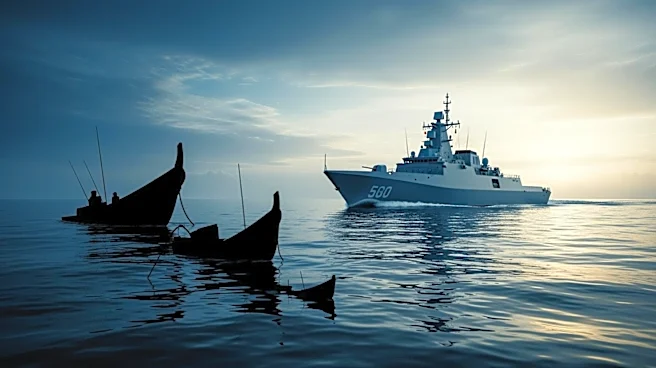
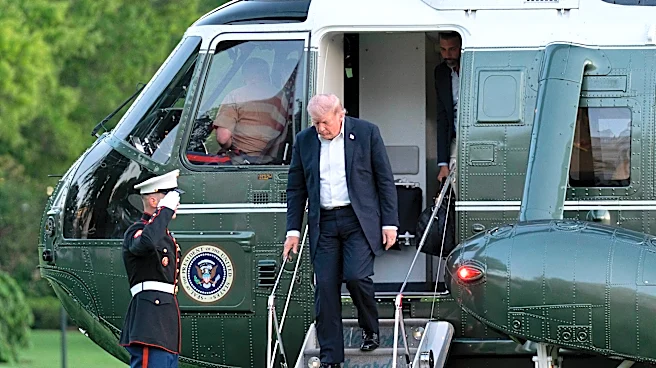
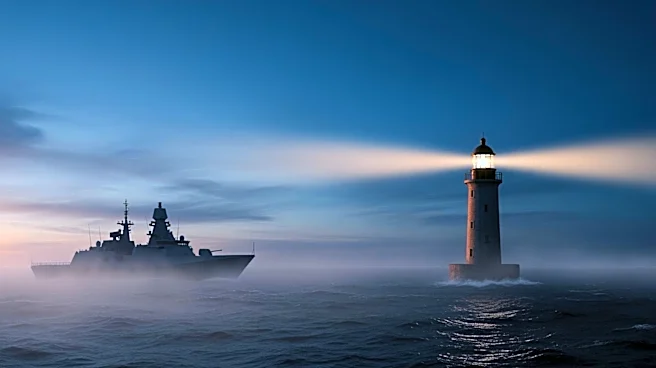
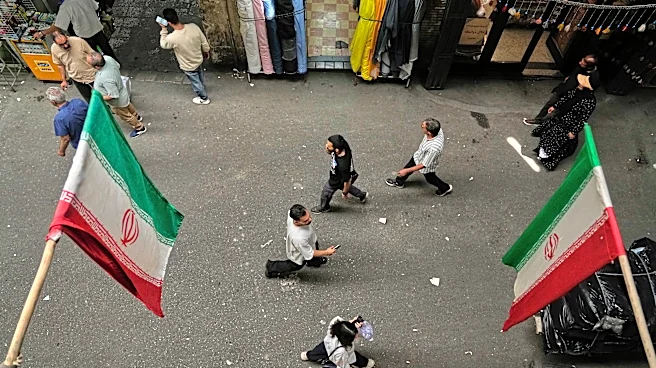
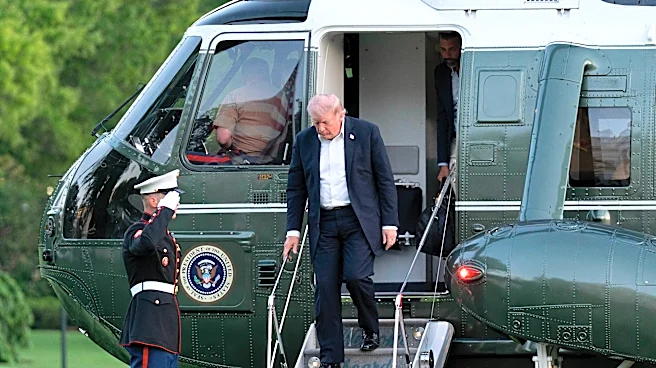
President Trump has launched a military operation named Project Freedom to address the blockade of the Strait of Hormuz by Iran. The U.S. military reported the destruction of six Iranian small boats and the interception of Iranian cruise missiles and drones.
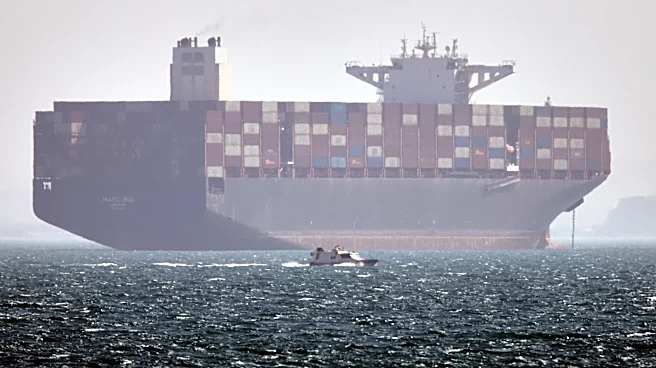
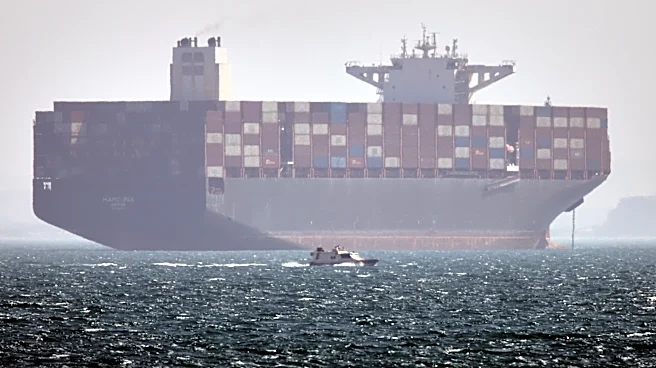
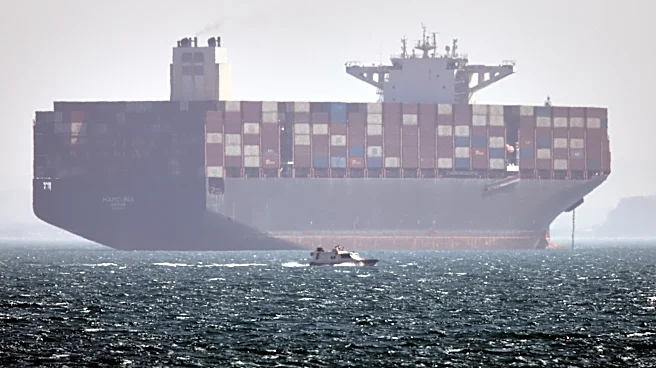
The operation aims to reopen the critical waterway, which is vital for global oil and liquefied natural gas transport. U.S. Admiral Brad Cooper, head of Central Command, stated that the operation involves 15,000 U.S. troops, Navy destroyers, and over 100 aircraft. The initiative follows Iran's effective closure of the strait after a conflict with the U.S. and Israel. The U.S. has encouraged commercial vessels to resume passage through the strait, with some ships already successfully transiting under U.S. protection.
Why It's Important?
The Strait of Hormuz is a strategic chokepoint for global energy supplies, with a significant portion of the world's oil passing through it. The blockade has disrupted international energy markets, affecting global oil prices and supply chains. The U.S. operation seeks to restore the flow of commercial shipping, which is crucial for stabilizing energy markets and ensuring the security of global trade routes. The initiative also represents a significant escalation in U.S.-Iran tensions, with potential implications for regional stability and international relations. The success of Project Freedom could bolster U.S. influence in the region and demonstrate its commitment to securing international shipping lanes.
What's Next?
The U.S. military will continue its efforts to secure the Strait of Hormuz, with ongoing operations to clear mines and protect commercial vessels. The situation remains tense, with potential for further escalation if Iran continues to challenge U.S. efforts. The international community, including countries reliant on oil shipments through the strait, will be closely monitoring developments. South Korea and other nations may consider joining the U.S.-led coalition to ensure safe passage for their vessels. The outcome of these efforts will have significant implications for global energy security and geopolitical dynamics in the Middle East.