





What's Happening?
Oklahoma has been chosen by the U.S. Department of Energy (DOE) as one of five states to explore hosting a Nuclear Lifecycle Innovation Campus. Marc Brown, an executive vice president of public policy and state affairs for Consumer Energy Alliance, highlighted
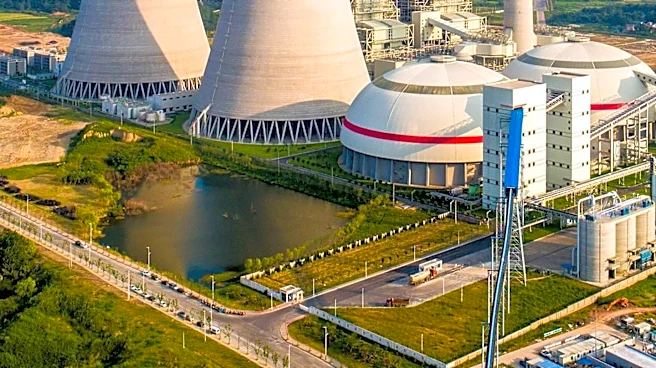
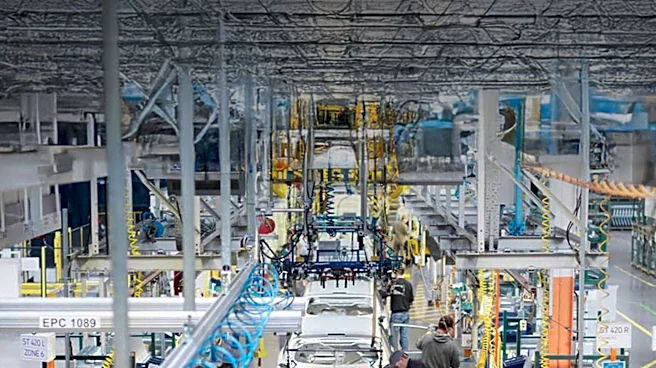
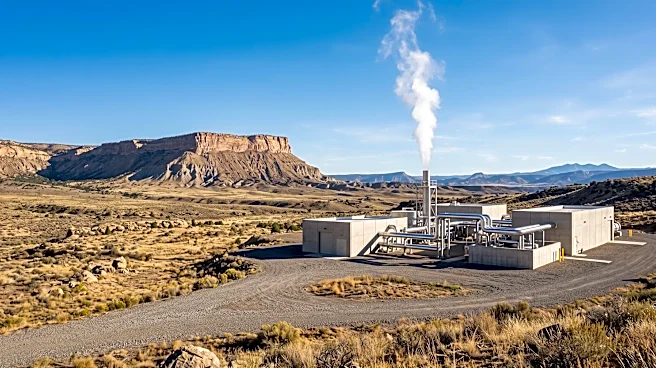
this selection as a significant opportunity for the state. Brown, writing in The Oklahoman, suggested that advanced nuclear technology could be a vital solution to meet the increasing electricity demand driven by business growth in Oklahoma. He emphasized that nuclear energy operates under stringent federal oversight and that modern advanced technologies incorporate safety systems designed to function safely even without operator intervention. The proposed campus aims to integrate energy production, fuel recycling, manufacturing, research, and workforce development.
Why It's Important?
The selection of Oklahoma as a potential site for a Nuclear Lifecycle Innovation Campus holds substantial importance for the state and the broader U.S. energy landscape. This initiative could provide a stable and reliable source of electricity, crucial for supporting economic expansion and meeting the rising energy needs of businesses and communities. Nuclear energy, which currently supplies approximately 20% of U.S. electricity, offers a carbon-free power generation option, aligning with national goals for cleaner energy. For Oklahoma, hosting such a campus could translate into significant economic benefits, including job creation in high-tech sectors, increased investment in research and development, and the establishment of a skilled workforce. It also positions the state as a leader in advanced nuclear technology, potentially attracting further innovation and investment in the energy sector.
What's Next?
The next steps involve Oklahoma, along with the other four selected states, further exploring the feasibility and benefits of hosting a Nuclear Lifecycle Innovation Campus. This will likely entail detailed studies, community engagement, and collaboration between state officials, the U.S. Department of Energy, and private sector partners. Marc Brown anticipates that the campus could bring together various elements such as reliable power generation, fuel recycling, advanced manufacturing, research facilities, major energy users, and comprehensive workforce training programs. The process will involve assessing the infrastructure requirements, regulatory frameworks, and potential economic impacts. Successful implementation would establish Oklahoma as a hub for nuclear innovation, contributing significantly to the nation's energy security and technological advancement.
Beyond the Headlines
Beyond the immediate economic and energy benefits, the establishment of a Nuclear Lifecycle Innovation Campus in Oklahoma could have profound long-term implications. It represents a strategic investment in advanced nuclear technology, which is critical for diversifying the U.S. energy portfolio and reducing reliance on fossil fuels. This move could also foster a new generation of scientific and engineering talent, as the campus would integrate research and workforce development. Ethically, the project would need to address public concerns regarding nuclear safety and waste management, ensuring transparent communication and robust regulatory oversight. Culturally, it could shift perceptions of nuclear energy, highlighting its potential as a clean, reliable, and safe power source. This initiative underscores a national commitment to innovation and sustainability in the energy sector, positioning the U.S. at the forefront of advanced nuclear technology.