






What's Happening?
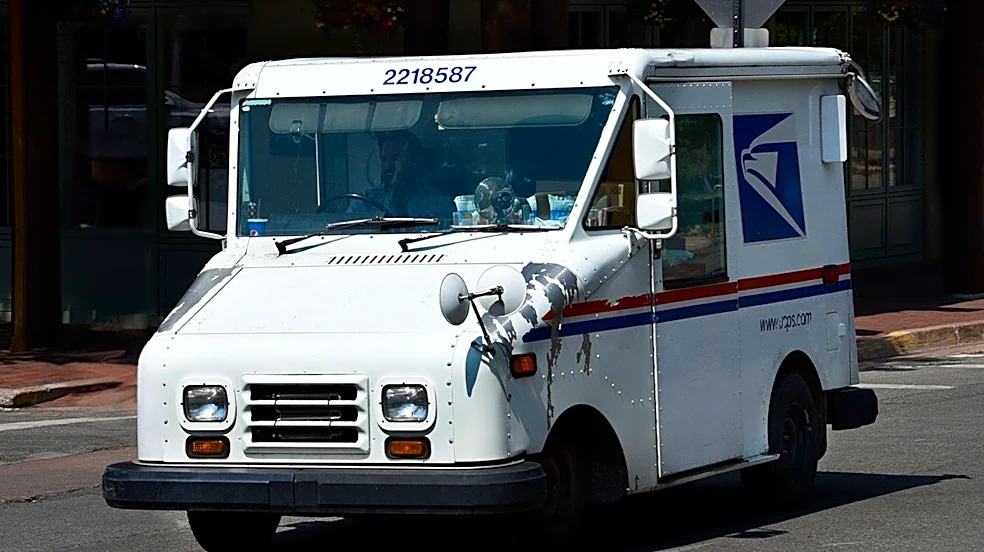
The United States Postal Service (USPS) collection boxes, a common sight across the American landscape, are integral to the nation's mail delivery network. These high-grade steel containers are strategically placed in various locations, including high-traffic
areas, residential neighborhoods, and outside post offices, to offer a convenient method for sending letters and lightweight packages. Despite their seemingly simple appearance, these boxes are part of a highly regulated infrastructure designed to ensure the security, privacy, and efficiency of mail. A critical rule implemented by the USPS following security concerns in the early 2000s dictates that any mail item weighing over 10 ounces or thicker than half an inch, if paid for solely with postage stamps, cannot be deposited into a collection box. Such items must be presented to a postal employee at a post office retail counter for security screening. Failure to adhere to this rule can result in the item being returned to the sender or held for inspection, leading to significant delays. The USPS has also been actively upgrading these boxes with advanced security features, such as narrow slots, to combat mail theft and related crimes like check washing and identity theft.
Why It's Important?
The security and proper use of USPS collection boxes are paramount for maintaining the integrity of the U.S. mail system and protecting citizens from fraud and identity theft. The 10-ounce and half-inch thickness rule, specifically for items paid with stamps, highlights the USPS's efforts to mitigate security risks associated with untraceable mail. This policy directly impacts individuals and small businesses that rely on these boxes for everyday correspondence and shipments. Non-compliance can lead to delays in critical communications, financial transactions, and legal documents. The ongoing efforts to enhance the physical security of these boxes, including reinforced designs and anti-pry technology, underscore the persistent threat of mail theft. This is particularly important given the continued use of physical mail for sensitive information, such as checks and personal documents. The public's understanding and adherence to these rules, along with awareness of potential tampering, are crucial for safeguarding personal and financial information, thereby contributing to the overall security of the postal service and the broader community.
What's Next?
The USPS will likely continue its initiatives to upgrade collection boxes with enhanced security features and to educate the public on proper usage protocols. Senders should anticipate ongoing enforcement of the 10-ounce and half-inch thickness rule for stamped mail, necessitating a visit to a post office counter for larger or heavier items. The USPS Inspection Service (USPIS) will continue to monitor high-risk areas and implement measures to combat mail theft, including the potential replacement of traditional locks with more secure electronic systems. Users should remain vigilant for signs of tampering and report any suspicious activity or damaged boxes to the USPS. For high-value or sensitive mail, the recommendation to use internal post office lobby slots, which offer higher security and surveillance, will likely persist. The USPS will also continue to provide digital tools for locating collection boxes and understanding pickup schedules, emphasizing the importance of timely mail drops to avoid overnight storage in boxes, which increases theft risk.
Beyond the Headlines
The evolution of USPS collection box security reflects a broader societal challenge in adapting to new forms of crime in an increasingly digital world. While digital communication has become prevalent, the physical mail system remains a critical infrastructure, particularly for official documents, financial transactions, and ballots. The vulnerability of these boxes to theft, leading to crimes like check washing and identity theft, highlights the ongoing need for both technological and behavioral adaptations. The emphasis on user awareness and responsibility, such as reporting damaged boxes and understanding optimal drop-off times, underscores a shared responsibility in maintaining public safety and trust in essential services. This situation also touches upon the ethical considerations of balancing convenience with security, as stricter rules can sometimes inconvenience users but are deemed necessary for protection. The continuous cat-and-mouse game between security enhancements and criminal methodologies suggests that the design and usage protocols of these seemingly mundane objects will continue to evolve, reflecting the dynamic nature of security threats in modern society.