





What's Happening?
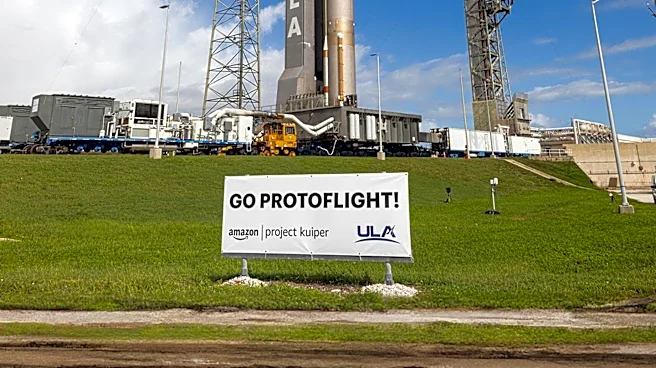
The U.S. Space Force has significantly expanded its satellite launch program, increasing the number of missions from 60 to 170. This expansion is part of the National Security Space Launch Phase 3 Lane 1 program, which has seen its contract ceiling tripled
from $5.6 billion to $17 billion. The increase in missions is driven by a growing demand for delivering critical capabilities to orbit, including space-based moving target indication, data transport, missile warning, tracking and defense, and space domain awareness. SpaceX has been awarded over $6 billion to build satellites for the Space Data Network and a space-based AMTI constellation. Additionally, the Space Force plans to launch new fleets of small surveillance and reconnaissance satellites under the Andromeda initiative, with the initial spacecraft scheduled for 2029.
Why It's Important?
The expansion of the Space Force's satellite launch program underscores the increasing importance of space capabilities in national security. By tripling the number of missions, the Space Force aims to enhance its ability to monitor and respond to global threats. This move also highlights the growing reliance on commercial partnerships, as companies like SpaceX play a crucial role in building and launching these satellites. The increased budget and mission count reflect a strategic shift towards a more robust and responsive space infrastructure, which is vital for maintaining technological and strategic superiority in space.
What's Next?
The Space Force will continue to award contracts and task orders to various companies under the expanded program. With the initial spacecraft for the Andromeda initiative slated for launch in 2029, the focus will be on developing and deploying these new satellite constellations. The program's success will depend on the ability of the Space Force and its commercial partners to meet the increased demand for launches and to integrate new technologies into the existing space infrastructure.